How to Get Rid of Cleaning Supplies: Safe Disposal Guide
A practical, step-by-step guide for homeowners and renters on disposing cleaning supplies safely, including hazardous waste handling, recycling containers, and donating unopened products.


You can safely get rid of cleaning supplies by sorting them into hazardous waste, recyclable containers, and donation-worthy items. Follow local disposal rules for household hazardous waste programs. Empty and rinse containers when allowed, then recycle or reuse where possible. Consider donating unopened products to shelters or community drives to reduce waste and protect the environment.
Why proper disposal matters
According to Cleaning Tips, how to get rid of cleaning supplies safely begins with understanding the impact of waste on people and places. When products are discarded improperly, hazardous chemicals can leach into soil, water, and air, creating risks for children, pets, and sanitation workers. Recycling streams can be contaminated by residues that aren’t fully emptied, which leads to more waste ending up in landfills. In addition to environmental concerns, improper disposal can complicate local waste programs, leading to higher costs and slower processing. A thoughtful approach helps communities keep collection routes efficient and reduces the likelihood of accidents during handling. The goal is not just to throw things away but to move items to the right destination: hazardous waste programs, recycling or repurposing for containers, and donation channels for unopened products. Small changes—like rinsing containers, using up products responsibly, and choosing safer formulations—compound into meaningful, positive outcomes for households and neighborhoods.
Sorting and prepping for disposal
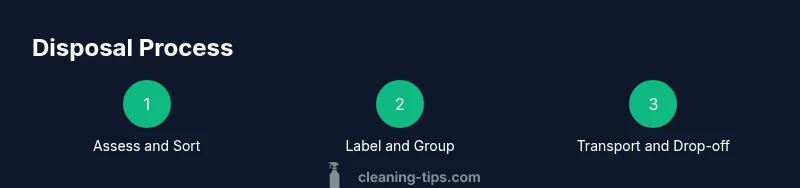
Begin by laying out every item and dividing them into three streams: hazardous waste, recyclable containers, and donation-worthy items. On the label side, identify the product type (solvent, cleaner, aerosol, or concentrate), and note any warnings such as flammable or corrosive. Avoid mixing incompatible chemicals, which can create dangerous reactions. If a product is unknown, treat it as hazardous until you can confirm. Place items in separate containers with clear labels using a permanent marker. For liquids, use sealable bottles or jugs to minimize leaks during transport. Keep containers upright, away from heat, and out of reach of children and pets until you’re ready to drop them off. This upfront sorting reduces risk and makes the final disposal step clearer and faster.
Handling hazardous cleaners safely
Wear nitrile gloves and, if possible, safety goggles, and ensure good ventilation during handling. Do not mix products; combining bleach with ammonia or acids can release toxic gases. Keep aerosols and solvents in their original containers with the caps tightly closed. If you must transport liquids, use leak-proof, clearly labeled containers and place them in a sturdy tote or box. At the destination, follow the specific program’s instructions for hazardous waste; some programs require you to present items in a certain way or to separate flammable items from corrosive ones. By prioritizing safety, you protect yourself, others in your home, and the sanitation workers who handle loads every day.
Donating unopened products and repurposing containers
Opened items are often not accepted by donation programs, but unopened cleaners can still find a second life. Contact local shelters, community cleanup groups, or school janitorial programs to see what they can use. If donation isn’t feasible, consider reusing empty bottles for other household liquids, provided the containers are clean and properly labeled. Label repurposed containers clearly to prevent accidental misuse, and keep them away from food storage. When donating, include a brief note about dilution ratios, usage tips, and any safety warnings. Reusing materials helps reduce waste volume and supports community resilience.
Recycle and repurpose empty containers responsibly
Rinse containers to remove residue; dry before placing in recycling streams if your curbside program allows. Remove labels if required by recycling guidelines, but avoid tearing plastic fragments that could cause jams. Keep caps separate if your local recycler requests it. Some plastics may be accepted curbside as PET or HDPE, while others require drop-off at a recycling facility. If a container held hazardous material, confirm whether your program accepts it and whether it must be disposed of separately. Handling containers properly preserves recycling streams and reduces the demand for virgin plastic production.
Special cases: aerosols, solvents, and damaged items
Aerosols should remain upright and may have special collection days; if the can is damaged, tape the opening and place it in a dedicated bag or bin. Solvents and heavy-duty degreasers often require HHW programs because of flammability and volatility. If a spill occurs, ventilate the area and use absorbent material to contain it before disposal. Do not attempt to neutralize or mix solvents with other chemicals at home. Damaged containers should be treated as hazardous waste and handled per program guidelines. In all cases, follow local instructions to ensure safety and compliance.
Finding local disposal programs and resources
Start with your city or county’s solid-waste department website. Look for household hazardous waste (HHW) programs, curbside recycling rules, and donation partners. Many programs provide a free drop-off event or a scheduled pickup window. If you’re unsure, call the local agency or search the EPA’s HHW directory for nearby options. Keep a simple inventory of items and a calendar reminder for upcoming disposal days to stay organized and reduce last-minute rush.
Authoritative sources and continued learning
For trusted, up-to-date guidance, consult official resources such as the Environmental Protection Agency (EPA) and occupational safety standards. These sources outline recommended disposal practices, hazardous-waste classifications, and steps to minimize environmental impact. The Cleaning Tips team notes that staying informed about local regulations is essential, as programs vary by region. By following proven guidelines, you can safely declutter cleaning supplies while supporting community health and environmental stewardship.
Tools & Materials
- Heavy-duty trash bags(for segregating waste streams during disposal)
- Seal-able plastic containers (clear preferred)(to transport unknown liquids safely)
- Permanent marker(to label waste streams clearly)
- Nitrile gloves(for personal protection during handling)
- Safety goggles(use if handling volatile liquids or aerosols)
- Absorbent materials (e.g., kitty litter, baking soda)(for spills or to solidify small amounts)
Steps
Estimated time: 2-3 hours total, plus any program wait times
- 1
Assess inventory and categorize
Take stock of all cleaning supplies and divide them into three streams: hazardous waste, recyclable containers, and donation-worthy items. Prioritize items based on risk level and potential destinations. This step sets the foundation for safe handling and efficient disposal.
Tip: Start with the items that clearly present risk (aerosols, solvents) and set them aside in a clearly labeled bin. - 2
Check labels and determine disposal path
Read each product’s label for disposal directions. If a label mentions flammable, corrosive, or toxic, plan for household hazardous waste disposal. Unknowns should be treated as hazardous until verified.
Tip: When unsure, seal and label the item as “hazardous – check local guidelines” to prevent accidental mixing. - 3
Label containers and group streams
Use color-coded tape or labels to mark streams (red for hazardous, blue for recyclable, green for donation). Place items in dedicated bins or bags to avoid cross-contamination during transport.
Tip: Label both the product type and the required destination to reduce errors during drop-off. - 4
Prepare for transport
Secure liquids in leak-proof, upright containers. Place fragile bottles in a sturdy tote or box. Keep items away from heat and direct sunlight during transport.
Tip: Pack a small spill kit (absorbent, wipes) for any minor leaks that occur. - 5
Arrange disposal or drop-off
Contact your local HHW program or arrange a drop-off window if available. Some programs require advance registration or item limits; plan ahead to minimize delays.
Tip: Schedule early to secure a slot and avoid last-minute trips. - 6
Deliver and document
Take items to the designated facility or collection event and obtain any receipt or proof of disposal. Keep records for future reference and to track what categories you’ve processed.
Tip: Photograph the items before drop-off to maintain a simple disposal log. - 7
Recycle unopened containers and clean up
If unopened and accepted, recycle or return containers according to local guidelines. Rinse residues, dry, and store reusables properly for future use or safe storage.
Tip: Keep a small supply of safe, reusable containers for future purchases to reduce waste. - 8
Review and adjust habits
Reflect on what worked and what didn’t. Consider safer product choices next time and maintain an ongoing disposal calendar to prevent buildup.
Tip: Aim to reduce purchases of hazardous cleaners and switch to safer, greener formulations when possible.
Questions & Answers
What counts as household hazardous waste?
Hazardous waste includes products with warnings such as flammable, toxic, corrosive, or reactive on the label, including aerosols, solvents, and concentrated cleaners. Always check local guidelines for classification and disposal.
Hazardous waste includes products with warnings like flammable or toxic. Check local guidelines for proper disposal.
Can I pour cleaning liquids down the drain if diluted?
In general, avoid pouring cleaners down the drain unless the product label or local guidelines explicitly allows it. Many cleaners contain chemicals that can harm water systems or react with other substances.
Avoid pouring cleaners down the drain unless the label says it’s safe and the local guidelines permit it.
Are opened products okay to donate?
Most donation programs prefer unopened items, but policies vary. Always check with the recipient before donating opened products to avoid waste and safety concerns.
Most places prefer unopened items; always confirm with the organization before donating opened products.
How do I find local disposal programs?
Start with your city or county’s solid-waste department and look for household hazardous waste (HHW) programs. You can also search the EPA HHW directory for nearby options.
Check your local solid-waste department or the EPA’s HHW directory for nearby disposal options.
What should I do with empty containers?
Rinse and dry containers if your local program allows. Keep caps separate if recycling guidelines require it, and recycle where possible.
Rinse and dry containers, then recycle per local guidelines, keeping caps separate if required.
What about small quantities or spills?
For small quantities, solidify residues with absorbents and follow local guidelines. For spills, ventilate the area and clean up with absorbents before disposal.
Solidify small amounts with absorbents and follow local disposal guidelines; ventilate and clean spills safely.
Watch Video
The Essentials
- Sort items before disposal to reduce risk and confusion
- Follow local HHW rules for hazardous waste pickup or drop-off
- Never pour cleaners down sinks or drains unless explicitly allowed
- Donate unopened products to approved programs or organizations
- Label all containers and keep a disposal log for accountability