How to Install Clean Up on iPhone: A Practical Guide
Learn how to install Clean Up on iPhone with a step-by-step approach. This guide covers compatibility, setup, permissions, and best practices for a healthier digital environment.


This guide explains how to install a cleanup app on iPhone using the App Store, verify compatibility, and set up essential permissions. You’ll learn where to find the app, how to install it, and how to configure basic settings for optimal performance and privacy. By following these steps, you’ll be ready to start a smart digital cleanup.
Why Install Clean Up on iPhone
Maintaining a tidy digital space on your iPhone helps speed up performance and keeps apps organized. If you’re exploring how to install clean up on iphone, you’re taking a smart first step toward a healthier device. This article explains why a dedicated cleanup app can be worth your time, what to look for in a reputable tool, and how to approach installation while protecting your privacy. According to Cleaning Tips, digital cleanliness starts with choosing trusted tools and following a clear setup path that minimizes data access while delivering real benefits. A well-chosen cleanup app can scan storage, identify large caches, and suggest concrete actions like offloading unused apps or clearing temporary files. The goal is not to chase every feature but to implement a focused, repeatable routine you can maintain. That means selecting an app with transparent permissions, clear explanations of why data is needed, and an easy-to-reverse setup if you decide to switch tools later. By sticking to a simple plan, you’ll reduce clutter, reclaim space, and improve overall device responsiveness when you run the cleanup regularly.
Compatibility and Requirements
To successfully install Clean Up on iPhone, you’ll need a device with a supported iOS version and access to the App Store. Ensure your region supports the app and that you’re signed into your Apple ID. A stable internet connection is essential for download, and enough free storage is needed for the app and its data. As Cleaning Tips notes, starting with compatible hardware and software reduces installation friction and helps you avoid later issues with updates or permissions. If your device is low on storage, consider freeing space first by removing unused apps or large media files. Always back up important data before installing any new cleaning tool, so you can recover if something goes awry. Finally, confirm you’re comfortable with the app’s privacy policy and data access before proceeding.
Choosing a Clean Up App
There isn’t a single universal app named Clean Up on iPhone; this guide uses Clean Up as a placeholder for a trusted cleanup/maintenance tool you choose from the App Store. When evaluating options, look for reputable publishers, clear permission explanations, a transparent data policy, and recent user reviews that mention reliability. Avoid apps with excessive or unclear data requests, and prefer tools that minimize access to sensitive information. In the context of how to install clean up on iphone, your goal is to pick a tool that clearly explains what it does, how it uses your data, and how to reverse permissions if needed. Reading the developer’s privacy statements and checking user feedback helps you avoid risky software. As Cleaning Tips emphasizes, the safest path is to select a well-rated, privacy-conscious app and install only what you truly need for maintenance and storage optimization.
Step-by-Step: Install Clean Up on iPhone
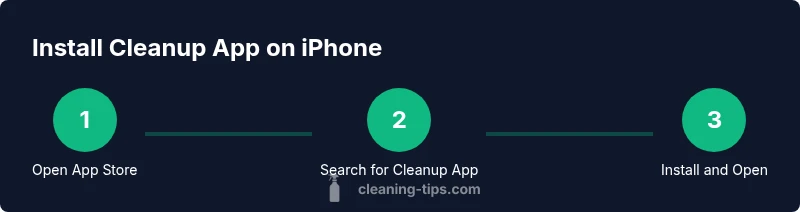
The actual installation steps are outlined in the dedicated STEP-BY-STEP block below, but here is an overview of what you’ll do: locate the app in the App Store, confirm the publisher, tap Get or Install, authenticate with your Apple ID, wait for the download to finish, open the app, and grant only the permissions you’re comfortable with. This section provides context for each action so you know why it matters and what to expect during the process. Remember to verify the app’s permission prompts carefully and avoid enabling unnecessary data access. By understanding the purpose of each step, you’ll complete the install more confidently and with fewer surprises.
Configuring Permissions and Settings
After installation, the app will request permissions such as Notifications, Photos, Background App Refresh, and possibly Storage access. Only grant what is necessary for the app to function and what you’re comfortable sharing. For image-heavy cleaning tasks, you may need Photos access; for routine storage scans, Storage permission might be sufficient. Enable Push Notifications only if you want reminders, and consider limiting Background App Refresh to minimize battery use. In this section, you’ll also learn how to adjust auto-clean intervals and set preferred cleanup rules. Taking control of permissions from the start helps protect your privacy while preserving device performance. Remember: you can revisit and modify permissions at any time in iPhone Settings.
Privacy, Security, and Data Handling
Cleaning Tips recommends reviewing permissions regularly. A responsible cleanup app should minimize data collection, store data locally where possible, and provide an option to disable data sharing. Before enabling features that sync data to the cloud, read the privacy policy and understand what information is stored, who has access, and how long it is retained. If you’re uncertain about a setting, choose the most restrictive default and gradually adjust as you become comfortable. This block helps you approach installation with a privacy-first mindset, ensuring your decisions align with your personal data comfort level.
Common Pitfalls and Troubleshooting
Even a well-planned install can encounter hiccups. Common issues include app not appearing in the App Store, regional restrictions, insufficient storage, or failed authentication. If the app doesn’t show up, verify your region and Apple ID country settings. For storage problems, free up space and retry, or choose a smaller installer. If authentication fails, sign out and back in, ensuring you’re using the correct Apple ID credentials. If permissions prompts are confusing, revisit the app’s help section or open iPhone Settings to review each requested access. Cleaning Tips notes that patience and careful checking of prompts will prevent misconfigurations and reduce troubleshooting time.
Maintenance Plan After Installation
A healthy maintenance routine for any cleanup app includes regular updates, periodic permission reviews, and a simple monthly cleanup schedule. Schedule a quick monthly check to review app activity, clear caches, and adjust rules as your usage changes. Keep your iPhone backed up before major cleanups, and maintain a concise list of apps you’ve allowed to access data. By keeping a steady cadence, you’ll keep the benefits consistent and avoid build-up of unnecessary permissions over time.
Authority Resources
For readers who want to verify installation steps and privacy practices from trusted sources, see these resources:
- Apple Support: How to download and install apps on your iPhone — https://support.apple.com/en-us/HT204266
- Apple Privacy: https://www.apple.com/privacy/
- FTC Privacy and Data Security — https://www.ftc.gov
Tools & Materials
- iPhone with compatible iOS version(Ensure your device runs a recent iOS version compatible with the App Store)
- Apple ID with password(Needed to authenticate and download apps)
- Stable Wi-Fi or cellular data(Download size varies; use Wi‑Fi for larger apps)
- App Store access(You’ll search and install the app there)
- Backup method (iCloud/Comput er/External drive)(Optional but recommended before installing new software)
- Charger or reliable power source(Keep device awake during download if possible)
Steps
Estimated time: 5-12 minutes
- 1
Open the App Store
Unlock your iPhone and open the App Store. This is where you’ll search for a reputable cleanup app. The goal is to start with an official source to minimize risk. If prompted, sign in with your Apple ID to enable downloads.
Tip: Use a strong, unique Apple ID password and enable two-factor authentication for account security. - 2
Search for a reputable cleanup app
In the search bar, type a clear query like “cleanup app” or “storage cleaner.” Review results for reputable publishers and high ratings. Avoid apps with vague names or excessive permissions. You can refine results by selecting the publisher, date of last update, and user reviews.
Tip: Check publisher details and read at least 3 recent reviews to spot red flags. - 3
Tap Get or Install
Tap the Get or Install button to start the download. You may be asked to authenticate with Face ID, Touch ID, or your password. This step confirms your intent to install and protects against accidental downloads.
Tip: If you don’t see Get, your region may restrict the app; return to search results or try a different reputable tool. - 4
Wait for the download to complete
Let the app download fully. A progress circle will appear on the app icon. Depending on your connection, this may take a few seconds to a few minutes. Avoid cancelling the download once it begins.
Tip: If the download stalls, pause briefly, then retry or switch to a more stable network. - 5
Open the app and review the initial prompts
Launch the app after installation. Carefully read any onboarding screens and privacy notices. You’ll typically be asked to grant a small set of permissions; accept only what is necessary for core functionality.
Tip: If a prompt asks for location or extensive data access, consider declining or choosing - 6
Grant essential permissions
Provide only permissions essential to the app’s cleanup tasks, such as storage or notifications. You can adjust settings later in iPhone Settings if you change your mind.
Tip: Use the Settings app to review and revoke permissions you’re not comfortable with. - 7
Configure basic cleanup preferences
Set up default cleanup rules, scheduling, and reminders. Tailor the app to your needs, such as offloading unused apps, clearing cache, or identifying large files. This helps you maintain a steady cleaning cadence.
Tip: Start with a light schedule and gradually increase depth as you grow comfortable. - 8
Verify operation and start the routine
Run an initial cleanup cycle and review the results. Confirm the cleanup actions align with your expectations and privacy preferences. Establish a monthly or biweekly cleanup routine to keep storage in check.
Tip: Document your initial results so you can measure improvements over time.
Questions & Answers
What is the Clean Up app used for on iPhone?
A cleanup app helps identify large caches, unused apps, and temporary files to reclaim storage and improve performance. Always confirm legitimacy and privacy practices before use.
A cleanup app helps reclaim storage by removing cache and unused files. Make sure the app is legitimate and respects your privacy.
Is it safe to install cleanup apps on iPhone?
Safe installation depends on downloading from the App Store and choosing reputable publishers. Read reviews and privacy policies to minimize risk.
Yes, when you download from the App Store and pick reputable publishers, cleanup apps are generally safe. Always check reviews and privacy terms.
Will this drain battery life?
Most cleanup tasks run intermittently and won’t significantly drain battery. Some features may use background activity; adjust preferences if you notice higher usage.
Most cleanup actions don't use much battery, but some background tasks can; adjust settings if you notice extra drain.
Do I need to grant location access?
Location access is only needed for specific features. If the app doesn’t require location for cleanup, deny that permission and continue.
Only grant location if the app needs it for a feature you’re using; otherwise, keep it off.
Can I uninstall the app later?
Yes. You can remove the app at any time from the Home Screen and will not lose essential data stored in iCloud unless you choose to delete it.
Yes, you can uninstall anytime from the Home Screen, and you can manage data in iCloud if needed.
Is there a subscription or in-app purchases?
Some cleanup apps offer a free tier with core features and optional paid upgrades. Review pricing details in the App Store listing before installing.
Many cleanup apps have free basics with optional upgrades. Check pricing in the App Store before you install.
Watch Video
The Essentials
- Choose a reputable cleanup app from the App Store.
- Review permissions before enabling features.
- Back up your data prior to major cleanups.
- Set a regular cleanup cadence for consistent results.