How to Put Clean Music on Apple Music: A Step-by-Step Guide
Discover how to put clean music on Apple Music using a licensed distributor. Learn about clean versions, licensing, metadata, and the submission process to get your tracks online with confidence.


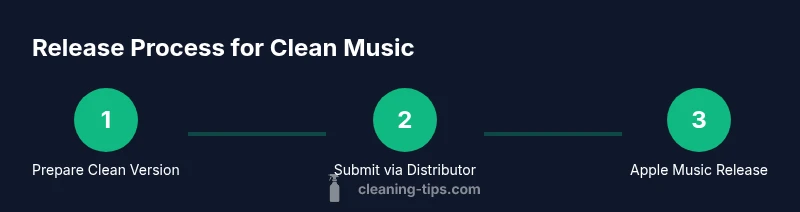
Getting clean music onto Apple Music requires using a licensed distributor or label, not personal uploads. Start with a clean, edited version (no explicit content), ensure proper metadata, and submit through a distributor or your label who will push it to Apple Music. Expect standard distribution times and confirm you have the rights to the track and its clean version.
Why direct uploads to Apple Music aren't available for most artists
For independent artists, there is no simple upload button to Apple Music. Apple Music is a curated service that relies on licensed distributors and labels to manage catalog submissions. The upshot: you cannot publish music directly from your laptop to Apple Music unless you own a label and have a formal distributor agreement. According to Cleaning Tips, the typical path is to work with a distributor who can package your release and route it to Apple Music, iTunes, and other platforms. This ensures your track, including clean versions, meets the service's standards and rights requirements. In practice, most artists coordinate through a partner rather than attempting a direct upload, which helps protect rights, metadata accuracy, and artwork compliance. If your goal is to make clean music available to listeners on Apple Music, you should plan for this distributed route from the start. The time invested in licensing and preparation pays off with a smoother release and fewer delays.
Defining clean music for streaming
Clean music is not just 'no explicit words'—it's the version that streaming platforms and parents expect. A clean version typically removes profanity, violent references, or mature topics, and it may involve re-recording or editing backing vocals. For streaming, 'clean' is often accompanied by metadata flags that indicate the version is intended for general audiences. On Apple Music, you may need to provide two things: the clean master audio file and the associated metadata that marks it as clean, without explicit content. Artists and managers often label releases with 'Clean Version' or 'Radio Edit' to help curators and playlists distinguish them from explicit tracks. When you produce a clean version, keep the tempo, key, and overall feel consistent with the original so listeners experience the same energy but without restricted language. Cleaning Tips emphasizes verifying the edit across all platforms to avoid mislabeling, which can trigger delays or removal.
Rights, licensing, and distribution basics
Publishing clean music to Apple Music requires clear ownership or licensed rights for the master and any samples. You should have written permission or ownership of the recording and the composition, plus clearance for any third-party elements. Your distributor will handle licensure with the platforms, ensure you’re flagged correctly as the rights holder, and provide the necessary paperwork if required. Maintain a record of permissions and distribution agreements so you can respond quickly to any inquiries from Apple or your distributor. Clean releases should be paired with accurate metadata to prevent confusion about versions, territories, or rights. According to Cleaning Tips, organizing your rights and documents early reduces delays when submitting to Apple Music.
Planning your release timeline
A successful release on Apple Music begins with a realistic timeline. Set internal milestones for final master, artwork, metadata, and distributor submission windows. Understand that distributors typically operate on a queue; the time from submission to live status can vary. Build buffers for review by Apple and potential adjustments requested by your distributor. A well-planned rollout helps you align promotional activities, pre-saves, and playlist pitching. Cleaning Tips recommends mapping a release calendar that includes at least one week of pre-promotion before the track goes live, plus a post-release check-in to verify data accuracy and listen counts.
Creating a clean version: editing for explicit content
Creating a clean version often involves removing or re-recording explicit language, altering aggressive references, or substituting words with milder equivalents. Preserve the vocal take where possible to avoid a noticeable drop in energy, and ensure the final mix remains balanced across headphones and car speakers. If you re-record, keep studio acoustics consistent with the original to avoid noticeable differences in timbre. After editing, compare loudness levels and ensure the clean version matches the original in length and structure. Maintain consistent metadata so listeners see a clear distinction between “Original” and “Clean Version.” Cleaning Tips highlights testing the clean master on multiple playback devices to confirm there are no artifacts or glitches.
Choosing a distributor and what they do
A distributor acts as the bridge between you and streaming platforms like Apple Music. They package your audio, metadata, cover art, and rights information, then submit your release to the stores and streaming services. They also help manage regional availability, release dates, and flag statuses (such as explicit vs clean). You should provide the clean master, official artwork, and a clear label or artist name. The distributor will handle the rest, including reporting and payout, which is why most artists rely on a reputable partner rather than attempting direct uploads. Cleaning Tips recommends researching distributor terms, payout rates, and required file formats before signing.
Metadata Essentials: labels, titles, and explicit flag
Accurate metadata is crucial for discovery and rights management. Confirm track titles, artist credits, composer details, and ISRC codes where available. Explicit flags should be set correctly so Apple Music distinguishes clean from explicit versions. Artwork must meet the service’s requirements (usually a square image, high resolution, with legible typography). Consistent naming conventions for clean versions help playlists and radio editors identify the track quickly. Ensure you also specify territories and release dates accurately to avoid regional delays. Cleaning Tips emphasizes maintaining a single source of truth for metadata to prevent inconsistencies across platforms.
Quality checks and submission process
Before submission, audit audio quality for peak levels, clipping, and encoding artifacts. Verify that the clean version aligns with the original in duration and structure. Prepare all required assets: audio file, cover art, and metadata. When submitting, double-check that the “clean” flag is correctly applied and that your distributor has captured the intended release date. After submission, monitor the status in your distributor dashboard and respond promptly to any requested changes. Cleaning Tips advises keeping a backup of all assets and confirmations in case adjustments are needed during the review.
Post-submission: promotion and monitoring
Once your release is live, promote it across social channels, email newsletters, and relevant playlists. Use Apple Music for Artists to monitor streams, saves, and playlist placements. Respond to audience feedback and adjust your marketing plan if needed. Keep an eye on metrics like skip rate and completion rate to gauge listener engagement. Cleaning Tips highlights the value of a post-release plan that includes follow-up content, behind-the-scenes insights, and a timeline for new clean versions or remixes to sustain momentum.
Common pitfalls and quick fixes
Common issues include mislabeling the version, rights gaps, or insufficient artwork quality. If your release is delayed, recheck metadata, rights documentation, and file formats. If Apple flags explicit content as clean, verify your flag settings with the distributor and, if needed, resubmit with corrected labels. Always maintain clear naming for clean versions and originals to prevent confusion in the editors’ queues. Cleaning Tips encourages a proactive approach: confirm rights, flags, and assets before submission to minimize back-and-forth during the review.
Tools & Materials
- A computer or laptop with internet access(Stable connection for uploads and communications with your distributor)
- High-quality source audio file(Use WAV or FLAC at 44.1kHz/16-bit or higher)
- Clean version of each track(Edits must remove explicit content and align with platform policies)
- Album artwork(JPEG/PNG, 3000x3000 px recommended, proper licensing for artwork)
- Distributor account(Must be a licensed distributor or label account)
- Metadata ready(Titles, credits, ISRC or equivalent, rights documents)
- Consent/licensing documents(Proof of rights may be requested for samples)
Steps
Estimated time: 2-6 weeks
- 1
Prepare clean master
Ensure you have a clean version that removes all explicit content and matches the original in duration and feel. Verify audio quality and consistency across devices. This step sets the foundation for a smooth submission.
Tip: Keep the clean version as close to the original mix as possible to preserve energy. - 2
Gather rights and metadata
Assemble proof of rights, including ownership, licenses, and any sample clearances. Prepare metadata: track title, artist, credits, ISRC, and release date. Clear labeling helps editors and listeners alike.
Tip: Create a single source of truth for credits to avoid misattribution. - 3
Choose a distributor
Select a licensed distributor or label partner familiar with Apple Music submissions and clean-versions handling. Review their formats, timelines, and payout terms before signing.
Tip: Ask about queue times and rights verification processes. - 4
Submit the release
Upload the clean master, artwork, and metadata to the distributor, selecting the “clean version” flag where applicable. Confirm release date and geographic availability.
Tip: Double-check the explicit/clean flags to prevent mislabeling. - 5
Monitor submission
Track the submission status in the distributor dashboard. Respond promptly to any requests or changes from the distributor or Apple Music if asked.
Tip: Set up alerts so you don’t miss updates. - 6
Confirm live and promote
Once live, verify the track on Apple Music, share the release across channels, and monitor early listener engagement. Plan follow-up promotions and future clean releases.
Tip: Coordinate social posts with playlist pitches for maximum impact.
Questions & Answers
Can I upload music to Apple Music without a distributor?
No. Apple Music requires submissions via licensed distributors or labels. Direct personal uploads aren’t supported.
Direct uploads aren’t available to individuals; use a distributor.
What counts as a 'clean' version?
A version edited to remove explicit language or mature content, often labeled as Clean Version or Radio Edit.
A version edited to remove explicit content.
How long does distribution take?
timelines vary by distributor and queue; plan for several weeks from submission to live status.
Timing varies by distributor and queue.
Can I update metadata after submission?
Metadata can usually be updated through the distributor before release; after live, changes may be limited.
You can update metadata before release; after, changes may be restricted.
What if my track uses samples?
You must have clearance for all samples; lack of clearance can lead to takedown or revenue loss.
Get clearance before release.
Can I release multiple versions (clean and explicit)?
Yes, you can release separate versions, but each must have proper rights and clear labeling.
You can have both, but each version needs correct rights and labeling.
Watch Video
The Essentials
- Upload through a licensed distributor, not directly to Apple Music
- Always publish a clearly labeled clean version
- Prepare complete metadata and rights documentation
- Monitor the release and adjust plans based on performance