How to Use Big Fudge Record Cleaner: A Practical Guide
Learn how to use Big Fudge Record Cleaner safely and effectively. This guide covers prep, application, drying, and storage to keep vinyl records sounding great and lasting longer.


This guide shows you how to use big fudge record cleaner to safely clean vinyl records, including prep, precise application, gentle wiping, drying, and storage. You’ll learn to avoid damage, residue, and warping while improving playback. By following these steps, you protect grooves, labels, and your collection for years to come. The method prioritizes a clean, dust-free workflow and minimal contact with vulnerable surfaces.
Introduction and Safety Considerations
If you’re cleaning vinyl records, you want results without damaging grooves or labels. This guide explains how to use big fudge record cleaner safely and effectively. By following the steps outlined here, you can reduce dust, fingerprints, and residues that accumulate with play. The goal is to preserve sound quality while extending the life of your collection. According to Cleaning Tips, using a dedicated vinyl cleaner and applying it with a soft cloth minimizes risk compared to household solvents. Before you start, gather your materials, work in a clean, dust-free area, and never apply cleaner directly to the vinyl surface. Instead, apply a small amount to a cloth and test on a hidden area first. Adhering to these precautions reduces the chance of swelling, warping, or label damage. In this section, we will outline what the Big Fudge product is designed to do and set expectations for results. You should know that results can vary based on record condition, age, and prior cleaning history. Realistic goals include removing surface dust, light smudges, and fingerprint residues without removing or altering grooves. For best results, avoid aggressive scrubbing, never use household cleaners, and store the product away from heat and direct sunlight. By setting up your workspace and understanding safety, you position yourself for a successful clean that respects your records and equipment.
What is Big Fudge Record Cleaner?
Big Fudge Record Cleaner is a vinyl-friendly cleaning formulation designed to lift dust, fingerprints, and light grime from the record surface and grooves without harsh solvents. It is marketed as a dedicated tool for hobbyists and casual listeners who want better playback without risking label damage or warp. Cleaning Tips recommends using a product specifically formulated for vinyl to minimize residue and avoid chemical interactions with cartridge components. While this guide provides general best practices, always read the label for dilution, contact time, and safety information. The goal is clear: restore surface quality while preserving groove integrity and avoiding added scratches from improper technique. Remember that no cleaner can substitute for proper handling, storage, and a clean turntable setup. By understanding the product’s intended use and limitations, you can make informed cleaning decisions that protect your collection.
Prep Your Records and Workspace
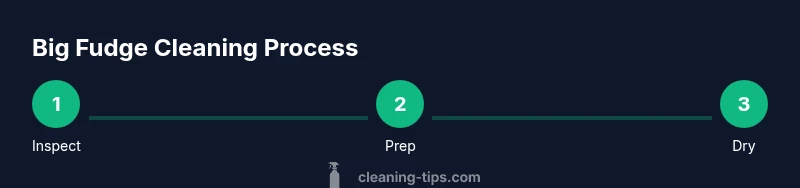
Preparation is the quiet backbone of an effective clean. Start by selecting a workspace that’s free from dust, with good lighting and ample surface area for laying out records. Gather your Cleaning Tips-approved tools and the Big Fudge cleaner, plus a clean microfiber cloth and a soft vinyl brush. Inspect each album for deep scratches or warping; if you find significant damage, skip cleaning that disc on this pass to avoid pushing debris into grooves. Place a soft mat or cleanup sheet under records to catch any drips and protect the surface beneath. Ensure your hands are clean or gloved to prevent oils from transferring to the vinyl. A well-prepared setup reduces re-cleaning and speeds up the process while protecting assets.
How to Apply Big Fudge Record Cleaner
Apply cleaner to a cloth, not directly onto the record. Fold the cloth into a small pad to create a gentle, even layer of moisture. Begin at the outer edge and work inward with light pressure, using slow, straight or circular motions as appropriate for the surface. For stubborn smudges near the run-in groove, use a soft vinyl brush with light, short strokes along the grooves rather than scrubbing across them. Avoid saturating the grooves, which can cause residue to migrate inward or attract more dust. If your label is delicate, cover it with a clean cloth or sleeve to prevent contact. After the cleaning pass, inspect the surface for remaining residues and repeat with a fresh cloth if necessary. Always test on a small, inconspicuous area first to verify no adverse reactions. Follow product guidance for contact time and rinse requirements if specified.
Drying, Handling, and Playback Readiness
Drying is a critical step to prevent moisture from attracting more dust or causing label issues. Use a dry portion of your microfiber cloth to wipe the record surface gently, following the same inward motion to lift any remaining moisture. Allow the record to air-dry for a few minutes in a dust-free environment before placing it back into its jacket. Handling should be minimized to reduce fingerprint transfer; hold edges only and avoid touching the grooves. When completely dry, inspect for any streaks or residue and wipe again with a clean section of cloth if needed. Once dry, you can return the record to the shelf or play it on your system. Regular, proper drying ensures longevity and consistent playback quality.
Maintenance, Storage, and Longevity
Stock up on clean microfiber cloths and store the Big Fudge cleaner in a cool, dry place away from sunlight and heat sources. Keep the lid tightly closed to prevent evaporation and contamination. Periodically inspect brushes and cloths for wear; replace them if fibers begin to shed or pigments rub off. Label the storage area so you and others know where to find materials and how to return them after use. Cleaning tips emphasize a routine that minimizes residue buildup and extends both the cleaner’s effectiveness and your records’ lifespan. Proper storage also reduces the chance of accidental spills or exposure to contaminants that could compromise future cleans.
Common Mistakes and Troubleshooting
Common mistakes include applying too much cleaner, scrubbing aggressively, or cleaning in a humid environment that slows drying. If you notice streaks or a sticky feeling on the record, switch to a dry cloth and re-wipe with light pressure until the surface feels dry. If residue persists, re-clean with a fresh cloth and consider a shorter contact time next attempt. For problematic records with persistent fingerprints, repeat the process in small sections rather than attempting a single long pass. When in doubt, consult the product label and, if necessary, reach out to the Cleaning Tips team for guidance. By avoiding these mistakes, you maintain better sound quality and reduce the likelihood of groove damage or label fogging.
Tools & Materials
- Big Fudge Record Cleaner(Follow product label for usage instructions and dilution if required.)
- Soft microfiber cloth(Lint-free, non-abrasive; fold for a soft pad.)
- Soft vinyl cleaning brush(Fine bristles; use gently on grooves.)
- Distilled water (optional)(Only if the label allows dilution.)
- Isopropyl alcohol 70% (optional)(Only if recommended on the label; avoid on delicate labels.)
- Cleaning tray or mat(Protect surfaces from drips.)
Steps
Estimated time: 25-35 minutes
- 1
Inspect the record
Look for deep scratches, warps, or heavy surface damage before cleaning. If damage is present, avoid aggressive cleaning and log for professional assessment.
Tip: This protects grooves and prevents pushing debris into damaged areas. - 2
Set up a clean workspace
Clear dust, place a protective mat, and lay out all tools within arm’s reach. Warm lights help you spot streaks and residues.
Tip: A dust-free environment minimizes re-contamination. - 3
Patch-test the cleaner
Dampen a small corner of a cloth and test on an inconspicuous area of the record.
Tip: Look for color change or residue transfer before proceeding. - 4
Apply cleaner to cloth
Apply the cleaner to the cloth, not directly to the vinyl, creating a thin, even layer on the pad.
Tip: Too much liquid can saturate grooves and cause drips. - 5
Wipe the record surface
Using gentle inward strokes, wipe from outer edge toward the center. Avoid hard scrubbing.
Tip: Let the cloth do the work—grooves should not be scraped. - 6
Clean grooves with brush
Use the soft brush to follow groove lines in a light, straight motion to lift embedded dirt.
Tip: Brush only; avoid circular scrubbing that can spread debris. - 7
Dry the surface
With a dry cloth, remove remaining moisture and residue. Inspect for streaks.
Tip: Drying reduces dust attraction and ensures ready playback. - 8
Air-dry and test
Let the record air-dry for 5–10 minutes before playback to avoid moisture in the groove.
Tip: Playback while ensuring the label is dry and stable. - 9
Store and maintain tools
Return tools to their case, seal cleaner properly, and replace worn cloths as needed.
Tip: Proper storage extends cleaner effectiveness and keeps tools ready.
Questions & Answers
What is the recommended application method for Big Fudge Record Cleaner?
Apply the cleaner to a microfiber cloth, then wipe the record surface with gentle motions. Avoid pouring or spraying directly on the vinyl.
Apply cleaner to a cloth and wipe gently; do not spray directly on the record.
Can you dilute Big Fudge Record Cleaner with water?
Only dilute if the product label explicitly allows it. Dilution guidelines, if any, are provided by the manufacturer on the bottle.
Only dilute if the label says so; follow instructions exactly.
Is it safe to use on all vinyl records?
The product is designed for common vinyl records. For shellac or fragile pressings, discontinue use if advised by the label and seek professional cleaning guidance.
Generally safe for standard vinyl; for very old or fragile records, check the label.
How long does cleaning take before playback?
Allow the record to dry completely, typically a few minutes, before playback to prevent moisture from affecting sound quality.
Let it dry fully for a few minutes before playing.
Should I use this cleaner for 78 RPM records?
Only if the label specifies compatibility with 78 RPM records. Some cleaners are not suitable for shellac-based discs.
Check the label for 78 RPM compatibility.
Where should I store Big Fudge Record Cleaner?
Store in a cool, dry place away from direct sunlight and heat. Keep the cap sealed when not in use to prevent evaporation.
Store it in a cool, dry place with the cap tight.
Watch Video
The Essentials
- Clean with a dedicated vinyl cleaner to protect grooves.
- Test first, then apply with a cloth—not directly to the vinyl.
- Dry thoroughly and store materials properly.