Lung Clean at Home: A Practical Cleaning Guide for Healthier Breathing
Learn practical, step-by-step methods to support lung clean at home. Improve indoor air quality with low-tox cleaners, ventilation, and mindful cleaning habits for healthier breathing.


Goal: create a lung clean home by reducing indoor pollutants and boosting ventilation. This guide provides a practical, step-by-step routine you can follow to support healthier breathing—from choosing low-irritant cleaners to using air purification and mindful ventilation. Expect a balanced approach that blends environmental hygiene with daily habits for sustainable lung health.
Why lung clean matters
A healthy breathing environment starts with clean indoor air. Lung clean spaces reduce exposure to irritants that can trigger coughing, wheezing, or shortness of breath. According to Cleaning Tips, maintaining good indoor air quality is a practical, everyday step toward healthier lungs. The Cleaning Tips team found that small, consistent changes—like using fragrance-free cleaners, sealing moisture sources, and prioritizing ventilation—lead to noticeable improvements over weeks. In many homes, the air quality is shaped by cooking oils, cleaning products, pets, and mold risk. By limiting VOCs (volatile organic compounds) and dust, you create a gentler environment for airways. It’s not about perfect air—it's about reducing the heavy irritants and fostering steady airflow. If you’re unsure where to begin, start with one room and apply the same routine across the home for a cohesive approach. The result is a more breathable living space that supports everyone in the household, from kids to seniors, including those with asthma or allergies.
Core principles of lung-friendly cleaning
To support a lung clean environment, follow core principles:
- Minimize indoor irritants: Choose fragrance-free, low-VOC cleaners and avoid scented products during cleaning.
- Maximize ventilation: Open windows or run exhaust fans to promote air exchange during and after cleaning.
- Control humidity: Aim for 40-50% relative humidity to slow mold growth and reduce dust mites.
- Choose non-toxic products: Favor simple, non-irritating ingredients and avoid harsh solvents when possible.
- Maintain clean surfaces: Regularly dust with microfiber cloths and vacuum with a true HEPA filter.
According to Cleaning Tips analysis, combining low-irritant products with ample air exchange reduces common indoor irritants. The EPA and CDC emphasize that better indoor air quality can lessen respiratory symptoms and improve comfort. Implementing these principles consistently makes a sustainable routine that fits most homes and budgets.
Evidence-based practices to improve air quality at home
Effective steps include deploying a true HEPA-filter air purifier in living and sleep spaces, with filters replaced as recommended. Place purifiers away from corners and ensure unobstructed intake for optimal performance. Practice cross-ventilation by opening opposite windows for several minutes, especially after cooking or cleaning. Humidity control remains key: keep relative humidity around 40-50% to discourage mold and dust mites. Avoid burning candles or incense, and prefer unscented products or natural scents from essential oils used sparingly. Regular laundering of bedding and soft furnishings helps reduce settled dust. If moisture problems persist, address leaks promptly. EPA indoor air quality guidance and CDC healthy indoor air resources provide practical benchmarks for home routines. Cleaning Tips analysis, 2026, reinforces that steady application of these practices yields meaningful air-quality improvements over time.
Step-by-step routine overview for a lung clean home
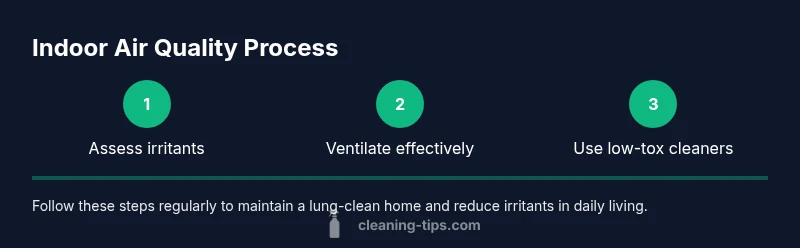
This section outlines a cohesive routine you can implement weekly to maintain better indoor air. Start with a quick space audit, then establish a ventilation habit, switch to low-tox cleaners, and maintain filtration and humidity controls. Consistency matters: even small, repeatable actions—like nightly bed-mheet laundering and daytime purifier use—compound into healthier air and easier breathing.
Choosing cleaning products and materials
Select fragrance-free, eco-friendly cleaners with simple ingredient lists. Look for labels that highlight low VOCs and non-toxic formulations. Avoid products that rely on harsh solvents, quats, or chlorine unless absolutely necessary. For DIY options, vinegar-baking-soda recipes are common, but never mix vinegar with bleach. Store products away from living areas and children, and always follow label directions. When in doubt, test a small area first to ensure surfaces won’t be damaged or release fumes.
Daily routines that protect lung health
Daily habits include ventilating during and after cooking, using an exhaust fan, and keeping doors closed to prevent outdoor pollutants from entering heavily used spaces. Regular dusting with microfiber cloths and vacuuming with a HEPA filter reduces particle accumulation. Wash fabrics, curtains, and pet bedding on a schedule to minimize allergen buildup. Maintain a clean kitchen and bathroom exhaust to keep humidity in check and prevent mold growth. Small, repeatable actions—like running the purifier during peak activity and storing scented products out of bedrooms—yield lasting benefits for lung health.
Long-term maintenance and monitoring
Set a monthly review of indoor air quality goals. Track symptoms such as coughing, wheeze, or nasal irritation, and correlate them with household changes (new cleaners, new fans, seasonal humidity). If symptoms persist or worsen after implementing the routine, consider a professional mold assessment or an HVAC scrub. The key is consistency and adjustment based on what you observe in your home environment. A steady, lung-friendly cleaning plan reduces irritants and supports steady breathing over time.
Tools & Materials
- HEPA-filter vacuum cleaner(Use on all surfaces; replace bags/filters as recommended)
- Microfiber cleaning cloths(Multiple colors; wash separately to avoid cross-contamination)
- Eco-friendly all-purpose cleaner or fragrance-free spray(Choose low-VOC formulas; avoid added scents)
- Air purifier with true HEPA filter(Select CADR suitable for room size; replace filter per schedule)
- Humidifier or dehumidifier(Aim for 40-50% humidity; adjust by season)
- N95 mask or respirator(Useful for dusty tasks or mold-prone areas)
- Plastics sheeting and painter’s tape(Seal off rooms during deep cleans to prevent spread of dust)
Steps
Estimated time: 60-90 minutes
- 1
Assess air quality and irritants
Survey each room for obvious air irritants such as scented cleaners, dampness, or dusty surfaces. Note high-traffic areas and times when air feels heavy. This baseline helps you prioritize improvements and track progress.
Tip: Start with one room and document before/after air quality indicators. - 2
Declutter and reduce dust buildup
Clear surfaces and remove clutter that traps dust. Use a microfiber cloth to wipe surfaces top-to-bottom, and vacuum with a HEPA filter to capture fine particles.
Tip: Work from top of the room downward to prevent re-dusting. - 3
Ventilate with low-tox cleaners
Ventilate the space while cleaning to prevent fume buildup. Use fragrance-free products and run exhaust fans or open windows for cross-ventilation during tasks that generate fumes.
Tip: Never mix cleaners—stick to one product at a time. - 4
Deep clean floors with filtration
Vacuum carpets and hard floors with a HEPA-equipped machine. Mop hard floors with a mild, fragrance-free cleaner and allow to dry completely before re-entry.
Tip: Pause to check filter indicators and replace as needed. - 5
Air purification and humidity control
Run a true HEPA purifier in common rooms and monitor humidity. Keep indoor moisture in a healthy range to suppress mold and dust mites.
Tip: Position purifiers away from walls for optimal airflow. - 6
Monitor progress and adjust routine
Track symptoms and air quality over time. Adjust products, purifier placement, and humidity targets based on seasonality and observed changes.
Tip: Set a monthly reminder to review your cleaning system.
Questions & Answers
What does 'lung clean' mean in a home setting?
Lung clean refers to reducing pollutants and irritants in indoor air to support easier breathing. It involves limiting fragrances, VOCs, and dust, while improving ventilation and humidity control. The goal is steady air quality that minimizes respiratory irritation.
Lung clean means making your indoor air easier to breathe by reducing irritants and improving ventilation and humidity.
Can indoor cleaning products harm my lungs?
Some cleaning products release fumes or VOCs that can irritate airways, especially for sensitive individuals. Choosing fragrance-free, low-VOC options and ensuring good ventilation during cleaning helps minimize risks.
Yes, some cleaners can irritate airways, so pick low-tox options and vent well when cleaning.
Do air purifiers really help lung health?
Air purifiers with true HEPA filters can reduce particulate matter in living spaces, supporting easier breathing for many people. Place them in rooms where you spend the most time and maintain filters as recommended.
Yes, HEPA purifiers can help reduce particles and support breathing comfort when used properly.
What daily habits most support lung health at home?
Regular ventilation after activities that release fumes, consistent dust control with microfiber tools, and humidity control around 40-50% are practical daily habits that support lung health.
Ventilate after using cleaners, dust with microfiber, and keep humidity balanced for better breathing.
Are there foods that help support lung health?
A balanced diet rich in fruits, vegetables, and omega-3 fatty acids supports overall health, including lung function. Hydration and avoiding excessive salt also help maintain mucus consistency and airway comfort.
Eat a balanced diet with fruits, vegetables, and omega-3 fats; stay hydrated for lung comfort.
When should I seek medical advice for lung symptoms?
If you experience persistent coughing, wheezing, chest tightness, or shortness of breath despite your cleaning routine, consult a healthcare professional. A doctor can assess for asthma, allergies, or other conditions and offer targeted treatment.
If breathing symptoms persist, seek medical advice for a proper assessment and treatment plan.
Watch Video
The Essentials
- Assess air quality first to focus actions.
- Choose low-tox cleaners to reduce irritants.
- Ventilate consistently for better airflow.
- Control humidity to curb mold and dust mites.
- Use HEPA filtration to minimize particle exposure.