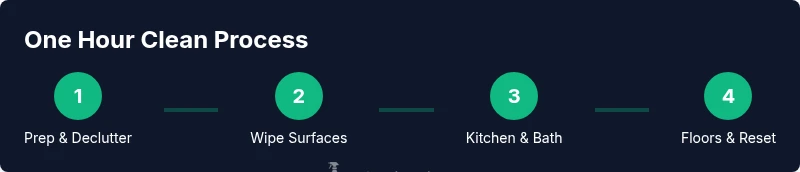
One Hour Clean: A Step-by-Step Guide to a Fast Home Refresh
A practical, step-by-step guide to achieving a thorough one hour clean. Learn how to maximize impact in 60 minutes with smart prep, time-boxed steps, and proven shortcuts for a healthier, fresher home.


Within one hour, you can complete a thorough, high-impact clean by prioritizing five zones: declutter and wipe surfaces, kitchen counters, bathroom quick-scrub, floors, and a final tidy. Prepare a timer, a cleaning caddy, all‑purpose cleaner, microfiber cloths, a trash bag, and a broom or vacuum. According to Cleaning Tips, a disciplined one hour clean keeps homes healthier and easier to maintain.
Why a One Hour Clean Matters
A one hour clean is more than a race against the clock; it’s a focused routine that yields visible results fast. For homeowners and renters alike, carving out a single hour to tackle the mess can significantly reduce everyday clutter, improve air quality, and create a sense of calm at home. The idea is simple: target high-impact zones first, then finish with a quick reset that makes the entire space feel cleaner. In our Cleaning Tips analysis, a time-boxed approach consistently helps households stay on track with weekly maintenance, turning a daunting deep clean into a repeatable habit. For the keyword one hour clean, the emphasis is on efficiency, not perfection, so you can keep momentum without burning out.
If you’re new to this rhythm, start by choosing two or three rooms where mess tends to accumulate and expand from there in future sessions. The goal is consistency over intensity: a steady, repeatable routine that fits real-life schedules.
Setting Up Your Workspace: Tools, Timer, and Tidy Caddy
Before you touch a surface, assemble a clean, organized workspace. A small cleaning caddy with all the essentials saves precious minutes and prevents backtracking. Place your timer where you can see it, set it for 60 minutes, and commit to finishing each stage within its allotted window. Gather your primary supplies—the all‑purpose cleaner, microfiber cloths, a trash bag, and a broom or vacuum—then assign a clear order of operations. By removing friction at the start, you’ll maximize the effectiveness of every minute in the one hour clean plan. Cleaning Tips suggests that a well-prepared workspace dramatically lowers distractions and helps you stay focused on high-impact tasks.
Declutter Quickly: Tidy by Zone, Not by Item
Start by removing obvious clutter and putting items away in their proper places. Don’t chase every misplaced thing; instead, set a two-minute per room limit to sweep surfaces, place out-of-place items in a designated bin, and surface-sweep the room. This quick decluttering creates a cleaner canvas for the next steps and reduces the chance of re-mess while you work. If you’re cleaning a shared space, agree on a fast, consistent standard for what counts as “out of place” to keep momentum going.
Surface Wipe-Down: High-Impact, Low-Time Tasks
With declutter complete, attack high-traffic surfaces first: kitchen counters, dining tables, coffee tables, and bathroom vanities. Use your microfiber cloth dampened with a compatible cleaner to wipe away fingerprints, smudges, and dust. Move intentionally from top to bottom to prevent dust from resettling on already-clean areas. If you share surfaces with kids or pets, consider a quick disinfectant wipe on frequently touched zones (light switches, door knobs) to reduce germ spread. This step is the heart of the one hour clean, delivering noticeable difference in minutes.
Kitchen Focus: Clear Counters, Appliances, and Sink
Kitchen spaces often reveal the largest single impact from a one hour clean. Focus first on the sink area, then wipe counter surfaces, and finally address the exterior of appliances you touch daily. A wipe-down of the stovetop and the rim of the microwave or oven door can dramatically improve the overall look. Rinse and dry the sink to prevent water spots. If you notice greasy spots, a quick spray and wipe with an all-purpose cleaner will do more than you expect in a short session. Remember to rinse and wipe away cleaner residue for a spotless finish.
Bathroom Refresh: Quick Scrub Without Overdoing It
In bathrooms, time is money. Target the sink, faucet, mirror, and toilet rim with a fast spray and wipe routine. A circular wipe around chrome fixtures removes water spots, while a quick scrub of the grout lines can prevent mildew buildup over time. Don’t forget the toilet exterior and lid; a single pass with a disinfectant wipe can dramatically improve cleanliness. Finish with a fast wipe of the counter and any shelves to remove dust and maintain a fresh feel that lasts beyond the hour.
Floors: Vacuum, Mop, or Sweep in One Pass
Finally, address the floor. A brisk vacuum or sweep of the main living areas, hallway, and kitchen is often enough to transform the space. If you have hard floors, a fast mop with a lightly damp microfiber pad works well; for carpeted areas, a quick vacuum boost in high-traffic zones is sufficient. The idea is to leave the floors feeling clean rather than soaking wet—enough moisture to leave a polished look but not so much that drying takes away time from the rest of the clean. If you’re short on time, prioritize visible dirt and high-traffic zones to maximize impact.
Final Touches: Quick Reset and Resetting the Routine
End with a quick tidy: straighten cushions, fold throws, and empty the trash. A final pass through each room to ensure items are aligned and surfaces are dry gives a finished, camera-ready result. This closing sweep is also a good moment to reset your cleaning supplies; return cloths to the caddy, close cleaners, and wipe down the spray bottle for next use. A clean, uncluttered entryway or living space creates a strong impression and reinforces the habit of a one hour clean.
Tools & Materials
- All-purpose cleaner(Choose a product compatible with most surfaces; keep under sink for quick access)
- Microfiber cloths(Several; use dampened and dry for different surfaces)
- Trash bags(Keep a couple of bags in the caddy)
- Broom or vacuum with hose(Essential for quick floor cleanup)
- Mop or microfiber floor pad(Optional for hard floors if time allows)
- Disinfectant wipes(Useful for high-touch areas; optional but handy)
- Gloves(Protect hands when using cleaners)
- Spray bottle(Label clearly for quick access)
Steps
Estimated time: 60 minutes
- 1
Set the timer and prepare space
Place the timer where you can see it and fill your caddy with the essential supplies. Quickly survey the area and decide on the two or three rooms to tackle first. This upfront planning helps you stay on track and prevents wasted minutes.
Tip: Kick off with a two-minute quick scan to identify obvious clutter and hot spots. - 2
Declutter per room
Remove obvious clutter from each room, putting items back in their rightful places. Keep a bin for items that don’t belong and relocate them after the clean. This creates a clean slate for the surface tasks that follow.
Tip: Limit per-room decluttering to two minutes to maintain momentum. - 3
Wipe high-visibility surfaces
Working top-to-bottom, wipe surfaces like tabletops, shelves, and window sills. Use circular motions to lift dust and smudges. Dry the surfaces after to prevent streaks and residue.
Tip: Use a slightly damp cloth first, then a dry cloth for a streak-free finish. - 4
Tackle the kitchen
Focus on sinks, counters, and the exterior of appliances. A fast spray and wipe can make the kitchen look instantly cleaner. Rinse the sink and dry to prevent water spots and odors.
Tip: Prioritize the sink and the area around the faucet where grime builds first. - 5
Refresh the bathroom
Spray the sink, mirror, and toilet exterior. Wipe surfaces until they gleam and leave the area smelling fresh. A quick grout wipe on high-traffic zones reduces visible residue.
Tip: Avoid mixing cleaners; use one product per hard surface to prevent chemical interactions. - 6
Finish with the floors
Vacuum or sweep visible dirt, then mop if time permits. Prioritize high-traffic zones and the entry to the space. The goal is a quick, even clean without over-wetting floors.
Tip: If you’re short on time, do a fast pass over the main living areas first. - 7
Final tidy and reset
Return items to their places, straighten cushions, and empty the trash. Do a quick visual check to ensure there are no leftover spots. Close cleaners and place cloths back in the caddy for next use.
Tip: Take a deep breath, enjoy the progress, and set up for your next one hour clean just like this.
Questions & Answers
What exactly is meant by a 'one hour clean'?
A one hour clean is a time-boxed cleaning session focused on high-impact tasks in the home. It emphasizes efficiency and consistency, delivering noticeable results in about 60 minutes. The plan prioritizes decluttering, surfaces, kitchens and bathrooms, and flooring to create a healthier, fresher space.
A one hour clean is a quick, focused cleaning session that targets the most visible messes in about an hour. It emphasizes speed and consistency for a healthier, fresher home.
What should I prep before starting a one hour clean?
Gather essential supplies in a cleaning caddy, set a 60-minute timer, and choose two to three rooms to tackle first. Having everything at hand reduces interruptions and keeps you in the flow for the full hour.
Get your cleaning kit ready, set a 60-minute timer, and pick two to three rooms to start. This keeps you focused and efficient.
How can I tailor a one hour clean for a small apartment?
Prioritize the entry, living room, kitchen, and bathroom. In small spaces, a rapid declutter and wipe-down across all surfaces may take less time, leaving room for a fast floor refresh. Use multi-purpose cleaners to minimize product load.
In a small apartment, focus on the entry, living area, kitchen, and bathroom, and use multipurpose cleaners to keep it simple.
How often should I run a one hour clean?
Many households find value in performing a one hour clean weekly or biweekly, depending on activity levels and pets. The routine helps maintain cleanliness between deeper cleans.
Weekly or biweekly works well for many people, keeping up with mess and reducing buildup between deeper cleans.
What if I have kids or pets at home?
Expect more mess and schedule extra minutes for quick resets. Use kid- or pet-friendly cleaners, and designate a fast-clean zone for areas with the most activity to minimize cross-contamination.
If you have kids or pets, plan for a slightly longer session or a second quick pass later, and use safe, pet-friendly cleaners.
Watch Video
The Essentials
- Plan first, act fast, and stay consistent
- Target high-impact zones for quick wins
- Keep a ready-to-go cleaning kit
- Finish with a tidy, reset for next time
- Adapt the routine for your space and schedule