How to Steam Clean Furniture Safely and Effectively
Learn how to steam clean furniture safely and effectively with our step-by-step guide. Discover fabric compatibility, best practices, and pro tips for a refreshed home in 2026.


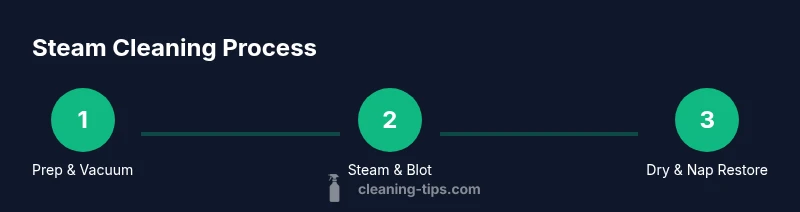
You will learn how to safely steam clean furniture to lift dirt, odors, and allergens without soaking cushions. You’ll need a fabric steamer with adjustable heat, microfiber cloths, and a fabric-safe cleaner for tough stains. This 6-step method covers prep, testing fabrics, zone cleaning, drying, and aftercare. Appropriate fabric compatibility notes follow.
Why steam clean furniture matters for a healthy home
Steam clean furniture offers a fast, chemical-free way to refresh upholstery, remove surface grime, and minimize odors on sofas, chairs, and fabric headboards. According to Cleaning Tips, a well-executed steam clean furniture routine can lift light dirt and loosen embedded dust without saturating fibers, making it suitable for many households. The Cleaning Tips team found that when done correctly, steaming reduces the need for harsher cleaners and can prolong the life of delicate fabrics. Before you begin, confirm that your fabric is steam-safe by checking the care label and performing a patch test on an inconspicuous area. This approach helps renters and homeowners achieve a cleaner look without a full upholstery replacement. In this guide you’ll learn how to pick the right equipment, plan a safe workflow, and handle common fabrics like cotton, polyester, and velvet with confidence.
Fabric compatibility and stain prep
Fabric compatibility matters. Some textiles tolerate steam well; others may pill, warp, or bleed color. Cleaning Tips analysis shows that natural fibers like cottons and blends often respond well when steamed at low heat, while delicate fabrics (silk, ultra-sheers) require caution or avoidance. Always test a hidden patch and let it dry to observe colorfastness. For stubborn stains, pre-treat with a fabric-safe cleaner in a small area before steaming. Gather a leather item: note that steam is generally not recommended for leather; instead use specialized leather cleaners and conditioners. Once you understand compatibility, group areas by fabric type to avoid cross-contamination.
Equipment setup, water quality, and safety
Choose a portable fabric steamer with adjustable heat and a focused nozzle. Distilled water reduces mineral buildup and spotting. Prepare microfiber cloths, a vacuum with upholstery attachment, a soft brush, and a timer or fan for drying. Before you start, vacuum the surface to remove loose debris and hair, then test a small area. Keep the steamer at a slight distance (about 1–2 inches) from the fabric and avoid lingering in one spot to prevent wetting. If you notice excessive dampness or bubbles, stop and re-check the settings.
Common mistakes and best practices
Common mistakes include steaming too aggressively, using high heat on fragile fabrics, and skipping test patches. Avoid pressing the steamer into the fabric; instead glide with soft, steady strokes. Always work in sections, moving to a new area after each pass. Use blotting cloths to lift moisture rather than rubbing, and let the fabric air-dry completely before use. Ventilation improves drying time; keep a fan or open window nearby.
Tools & Materials
- Portable fabric steamer (adjustable heat)(Choose a model with a narrow nozzle for fabrics.)
- Distilled water(To prevent mineral deposits and spotting.)
- Clean microfiber cloths(For blotting and finishing.)
- Soft-bristle brush (optional)(Gives nap restoration after steaming.)
- Fabric-safe stain remover (optional)(Pre-treat stubborn stains before steaming.)
- Vacuum with upholstery attachment(Pre-clean loose debris.)
- Towels or blotting cloths(Place under to protect surfaces.)
Steps
Estimated time: 40-60 minutes
- 1
Test fabric in inconspicuous area
Vacuum the surface and perform a small steam test on an unseen patch using low heat. Observe colorfastness for 1–2 minutes before proceeding. If no color change or water marks appear, you may continue with confidence.
Tip: Always prioritize a hidden patch test to prevent damage. - 2
Prepare the steamer and water
Fill the steamer with distilled water and set to the fabric-safe heat level. Allow a brief warm-up period so the nozzle emits a steady stream rather than a sputter. This reduces the chance of splashing or over-wetting.
Tip: Pre-warm the steamer for even results. - 3
Steam in manageable sections
Move the steamer in smooth, overlapping strokes over each fabric section from top to bottom. Keep the nozzle about 1–2 inches away and avoid lingering in one spot to prevent over-wetting. Work in a grid pattern to cover the entire surface.
Tip: Steaming too close can soak fibers; keep distance steady. - 4
Blot moisture as you go
Use a clean microfiber cloth to blot damp areas immediately after steaming. This lifts moisture and helps fibers dry evenly. Do not rub aggressively, which can fuzz or pull threads.
Tip: Blot with the grain of the fabric to preserve nap. - 5
Spot-treat stubborn stains
If stains persist, apply a fabric-safe cleaner to the spot before re-steaming that area lightly. Allow a brief dwell time per product directions, then re-treat with a light pass of steam. Avoid saturating the fabric.
Tip: Test new cleaners on an unseen patch first. - 6
Drying and ventilation
After steaming all areas, increase air flow with a fan and open windows if possible. Drying times vary by fabric, but most upholstery dries in 1–2 hours under good ventilation. Avoid placing cushions back until fully dry.
Tip: Use a fan to speed up drying and prevent musty odors. - 7
Nap restoration and final check
Once dry, gently brush the fabric with a soft brush to restore nap. Perform a final visual check for damp spots or color changes. If needed, repeat a light pass on any stubborn sections.
Tip: Brushing restores texture and lifts fibers for a fresh look.
Questions & Answers
Is steam cleaning safe on all fabrics?
Not every fabric tolerates steam equally. Always check care labels and test a hidden patch before proceeding. If color bleed or distortion occurs, stop and reassess the fabric choice or method.
Not every fabric tolerates steam the same way. Test a hidden patch first and watch for color changes before you continue.
Can steam damage wood furniture or veneers?
Steam should generally be avoided on bare wood surfaces and veneers. Use a fabric-safe approach for upholstery, and reserve steam for fabrics only or use gentler cleaning methods on wood.
Steam can damage wood finishes, so avoid using it on wood surfaces and veneers.
How long does it take to dry after steaming?
Drying time depends on fabric type and ventilation. Most upholstery dries within 1–2 hours with a breeze or fan, but dense fabrics may take longer.
Drying times vary, but most fabrics dry in about one to two hours with good airflow.
Should I steam-clean leather furniture?
Leather generally isn’t steam-cleaned. Use leather-specific cleaners and conditioners, and avoid saturating the surface with moisture.
Leather isn’t usually steamed; use products designed for leather care.
What if stains persist after steaming?
Pre-treat the stain with a fabric-safe cleaner, then attempt a light steam pass again. If staining remains, consult the fabric care label or consider professional cleaning for delicate fabrics.
If stains persist, re-treat and re-steam a bit, or seek professional help for delicate fabrics.
Can steam reduce odors in furniture?
Yes, steam can help lift odors embedded in fibers. Pair steaming with good ventilation and a quick deodorizing spray after drying if allowed by the fabric.
Steam helps reduce odors when you ventilate well and finish with a light deodorizer if safe for the fabric.
Watch Video
The Essentials
- Test fabric first to prevent damage
- Use a fabric-safe steamer on appropriate textiles
- Keep steam distance to avoid over-wetting
- Ventilate and dry completely before use
- Nap restoration helps fabrics look fresh