Ways to Cleanse Your Liver: Safe, Practical Guide
Discover evidence-based, safe approaches to support liver health. Learn hydration, fiber-rich nutrition, exercise, and habits that aid liver function without risky detoxes.


Goal: Learn practical, evidence-based ways to support liver health and understand why fad detoxes aren’t reliable. This quick guide outlines everyday habits—hydration, balanced meals with fiber and protein, moderate alcohol, and regular physical activity—plus safe, science-backed steps to minimize liver strain and maintain long-term wellness.
How the liver works and why cleansing is about support, not detox
The liver is one of the body’s most important detoxification organs. It processes nutrients, neutralizes toxins, and produces bile for fat digestion. The notion of a rapid cleanse to 'flush out' toxins is a myth; the liver cleanses itself through steady, healthy habits. According to Cleaning Tips, a practical approach to ways to cleanse your liver focuses on routines you can sustain, not gimmicks or extreme regimens. By prioritizing hydration, fiber-rich foods, lean protein, and healthy fats, you give the liver the steady support it needs to perform its functions efficiently. Remember, long-term liver health comes from consistent choices, not instant fixes. The Cleaning Tips team emphasizes that the goal is to reduce strain and support natural detox, not chase a miracle cleanse. In other words, think gradual, compatible changes rather than dramatic short-cuts.
Hydration foundations for liver health
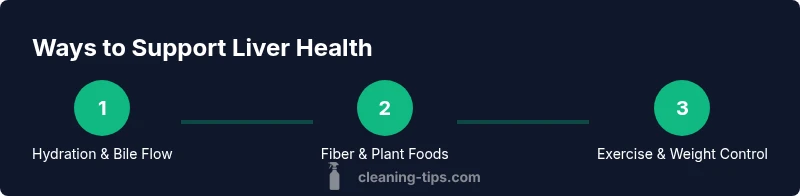
Hydration plays a foundational role in any plan about ways to cleanse your liver. Water supports bile formation and helps transport waste products for elimination. Instead of drinking large quantities at once, aim for steady, evenly spaced intake across the day. If you drink caffeine or alcohol, pair those with water to maintain balance and keep urine light and frequent, a sign your kidneys and liver are not overloaded. Hydration also facilitates the movement of nutrients to liver cells, which helps in processing fats and sugars more efficiently. Include water-rich foods like cucumbers, tomatoes, and melons to boost hydration without added sugar. In short, hydration is a simple, powerful tool in any strategy to cleanse your liver safely and effectively.
Fiber and plant-based nutrients in liver support
A fiber-rich, plant-forward diet is a central pillar of ways to cleanse your liver. Soluble fiber from oats, beans, and apples helps regulate blood sugar and cholesterol, easing the liver’s workload. Colorful vegetables—especially leafy greens and cruciferous varieties like broccoli and Brussels sprouts—provide antioxidants and sulfur-containing compounds that support detox pathways. Include herbs and spices such as garlic, turmeric, and cumin for flavor and potential anti-inflammatory effects. The emphasis should be on variety and consistency: 5–9 servings of plant foods daily is a practical target for most adults. Remember to choose whole foods over processed counterparts, since whole options deliver steady energy and nutrients that support liver function over time.
Lean protein and healthy fats for liver repair
Protein is essential for tissue repair and immune support, and it plays a role in liver health. Choose lean sources such as fish, poultry, eggs, legumes, and plant-based proteins like tofu. Pair proteins with healthy fats from olive oil, avocados, and nuts to support satiety and essential fatty acids that aid liver cell membranes. When planning meals, aim for balanced plates that combine fiber-rich carbs, quality protein, and healthy fats. Moderation is key: excessive saturated fats or fried foods can burden the liver, while finger-food snacks can derail consistency. In exploring ways to cleanse your liver, recognize that small, steady dietary improvements accumulate into meaningful benefits over weeks and months.
Alcohol moderation and caffeine considerations in liver health
Alcohol has a direct impact on liver health, and even moderate drinking can affect liver function in some people. If you choose to drink, do so in moderation and space alcoholic beverages with meals and water. For those who avoid alcohol, the liver still benefits from reducing saturated fats and added sugars in beverages and foods. Caffeine-containing drinks like coffee and tea may have neutral or beneficial effects in some people when consumed in moderation, but individual tolerance varies. The underlying principle for ways to cleanse your liver is clear: minimize substances that burden detox pathways and favor hydration, fiber, and nutrient-dense foods that support liver resilience.
Exercise, weight management, and liver function
Physical activity is a practical anchor for liver health within any framework of ways to cleanse your liver. Regular exercise helps manage body weight, improves insulin sensitivity, and reduces liver fat in many individuals. A combination of aerobic activity (like brisk walking or cycling) and resistance training (using bodyweight or weights) is ideal. Start with 20–30 minutes most days and gradually increase duration and intensity as tolerated. Even modest weight loss can reduce liver fat and inflammation, sometimes reversing early signs of fatty liver disease. The key is consistency: pick activities you enjoy and schedule them like essential appointments.
Debunking detox myths around liver cleansing
Many products and programs claim to 'detox' or instantly cleanse the liver. The science does not support dramatic detoxes or pills as a cure-all for liver health. The liver detoxifies through metabolic processes that operate continuously, not in response to a short regimen. When evaluating claims, look for evidence, avoid extreme calorie restriction, and prioritize sustainable habits that fit your lifestyle. If a program promises rapid, dramatic results with unusual ingredients or expensive products, treat it with skepticism. For most people, safe liver health rests on everyday choices—hydration, nutrition, activity, and limited alcohol—not on miracle cleanses.
Quick-start plan: a practical 2-week kickoff for ways to cleanse your liver
A realistic approach begins with small, repeatable steps. Week 1 focuses on hydration, fiber-rich meals, and lean protein, with a daily 20-minute walk. Week 2 adds strength training twice weekly and introduces cruciferous vegetables and alliums into meals. Throughout, keep alcohol to the minimum, and minimize ultra-processed foods. Track progress with a simple journal or app, noting energy levels, digestion, and sleep. The aim is not a dramatic makeover in days, but a steady pattern that supports liver health over time. If you experience persistent symptoms like jaundice, severe abdominal pain, or unusual fatigue, seek medical attention promptly.
Authority sources and safety notes
To ensure accuracy, consult trusted sources such as NIH and CDC for liver health guidance. Always discuss major dietary changes with a healthcare professional, especially if you have liver disease, pregnancy, or chronic conditions. While the guidance here is intended to help everyday well-being, it is not a substitute for medical diagnosis or treatment. For readers following ways to cleanse your liver, rely on evidence-based nutrition and healthy lifestyle practices more than any detox claim. See the references below for more detail.
What to avoid and how to maintain realistic expectations
Avoid extreme detox diets, laxatives, or unproven supplements marketed as liver cleanses. They can cause dehydration, electrolyte imbalances, or nutrient deficiencies. Instead, maintain a realistic expectation: liver health improves as you adopt sustainable habits—regular meals, fiber, hydration, activity, and moderate or no alcohol. If you have a history of liver disease or take medications that affect liver function, work with your clinician to tailor a plan that safely supports your health goals.
Tools & Materials
- Reusable water bottle(Aim for 2 liters per day; carry with you.)
- Fresh fruits and vegetables(Include a variety of colors every day.)
- Whole grains (oats, quinoa, brown rice)(Choose minimally processed options.)
- Lean protein sources (fish, poultry, legumes, tofu)(Balance with fiber at each meal.)
- Healthy fats (olive oil, avocado, nuts)(Use in place of saturated fats where possible.)
- High-fiber snacks(Raw veggies, fruit, or popcorn for between meals.)
- Herbal tea or green tea (optional)(Hydration boost without added sugars.)
- Basic kitchen tools (knife, cutting board)(For preparing fresh produce.)
- Meal planning notebook or app(Helps track fiber and protein intake.)
Steps
Estimated time: 4-6 weeks
- 1
Log your current habits
Record 3 days of meals and drinks to establish a baseline for your ways to cleanse your liver plan. Include portions, timing, and any alcohol or sugar-sweetened beverages. This awareness helps tailor practical changes that won’t feel overwhelming.
Tip: Use a simple notebook or app to track meals and water intake. - 2
Set hydration targets
Determine a daily water goal (e.g., 2 liters) and space intake evenly through the day. Hydration supports bile production and toxin transport, essential for liver-friendly routines within the ways to cleanse your liver framework.
Tip: Carry a marked bottle and set reminders every 2 hours. - 3
Add fiber-rich meals
Plan meals with at least two servings of vegetables and one serving of fruit daily, plus a whole grain source. Fiber helps regulate digestion and reduces liver workload by stabilizing blood sugar and cholesterol.
Tip: Include legumes or beans at least a few times per week. - 4
Choose lean proteins and healthy fats
Build plates with lean proteins and healthy fats to support liver repair and cell structure. Balance portions so fat intake stays within a moderate range to avoid overburdening the digestive system.
Tip: Use olive oil as your primary cooking fat. - 5
Incorporate liver-supportive plants
Introduce cruciferous vegetables and alliums regularly. These foods contain compounds that may boost the liver’s detox pathways and antioxidant defenses within the ways to cleanse your liver framework.
Tip: Add broccoli, Brussels sprouts, garlic, and onions a few times per week. - 6
Limit alcohol and avoid extremes
Reduce or avoid alcohol and steer clear of extreme detox regimens or pills. Alcohol is a major burden on the liver, and gradual habits are safer and more effective over time.
Tip: If you drink, do so with meals and water. - 7
Integrate regular physical activity
Aim for 150 minutes of moderate activity weekly plus two strength sessions. Exercise helps reduce liver fat, improves insulin sensitivity, and supports overall liver health within the ways to cleanse your liver approach.
Tip: Choose activities you enjoy to sustain consistency. - 8
Monitor progress and adjust
Review energy, digestion, sleep, and mood after 2 weeks. Adjust meals, hydration, and activity based on what’s working. If you notice persistent symptoms, consult a clinician.
Tip: Keep a simple progress log and celebrate small wins.
Questions & Answers
Do liver cleanses work?
There is no robust evidence that liver cleanses remove toxins or accelerate detox. The liver detoxifies naturally through its own processes; supporting it with hydration, fiber, and moderate lifestyle choices is more effective and safe.
No, there isn’t evidence that cleanses work. Focus on healthy daily habits to support your liver.
What foods help liver health the most?
Fiber-rich vegetables, fruits, whole grains, lean proteins, and healthy fats support liver function. Cruciferous vegetables and alliums may offer extra benefits; moderation and variety are key.
Eat a variety of fiber-rich plants, lean proteins, and healthy fats for liver support.
Can detox teas or pills harm liver health?
Some detox products can cause liver stress or interact with medications. Avoid reliance on pills or strict detox regimens and instead adopt steady, evidence-based habits.
Detox products can be risky; stick to safe, evidence-based habits.
Is coffee good for the liver?
Moderate coffee consumption has been associated with some liver benefits in observational studies, but individual tolerance varies. If you have liver disease, consult your clinician about caffeine.
Moderation may be fine for many; check with your clinician if you have liver concerns.
How much water should I drink for liver health?
Hydration supports overall metabolism and liver function. A practical target is about 2 liters per day, adjusted for activity and climate, plus water-rich foods.
Aim for regular hydration and include water-rich foods.
Who should avoid liver cleanse claims altogether?
Anyone with liver disease, pregnancy, or chronic conditions should consult a clinician before attempting any cleanse or drastic dietary change.
Consult a clinician before trying detox regimens if you have health concerns.
What’s the best long-term approach to liver health?
Adopt sustainable habits: balanced meals with fiber and protein, regular activity, hydration, and moderate or no alcohol. Avoid extreme cleanses and seek medical advice when needed.
Sustainable daily habits beat quick detoxes for long-term health.
Watch Video
The Essentials
- Adopt sustainable habits, not quick detoxes.
- Hydration and fiber are foundational to liver health.
- Moderate alcohol and choose balanced meals for liver support.
- Stay consistent and consult a clinician if needed.