What cleanse liver naturally: practical guidance for liver health
Discover why there’s no proven liver detox and how sustainable habits support liver health with diet, hydration, sleep, and activity.


There is no proven detox or cleanse for the liver. If you're wondering what cleanse liver naturally means, the answer is that the liver detoxifies itself, and there is no supplement or cleanse proven to speed this up. Instead, focus on sustainable habits: a balanced diet, regular exercise, hydration, adequate sleep, and avoiding heavy alcohol use to support liver health.
What detox claims get wrong
Many marketing detoxes promise a dramatic liver cleanse, but there is a key truth: the liver is built to detoxify the body on its own. What cleanse liver naturally means in practice is not a miracle diet or pill, but steady, evidence-based habits that reduce toxin exposure and support liver function. In this section, we unpack common claims, point out what is and isn't proven, and set realistic expectations for long-term liver health. By focusing on whole foods, regular activity, and mindful choices, you support rather than chase a faddish cleanse. According to Cleaning Tips, many popular detox claims lack robust clinical backing and can mislead readers seeking quick fixes. The goal is sustainable lifestyle changes that protect liver function over time.
How the liver detoxifies naturally
The liver is a central processing organ. It neutralizes and metabolizes toxins, processes nutrients, and makes waste easier to eliminate. In practical terms, your liver relies on its natural pathways to handle fats, alcohol, and drugs, then disposes of the byproducts through bile or urine. There isn’t a magic pill that speeds this process; the most reliable approach is daily habits that reduce toxin load and support enzyme function. Regular meals, balanced macronutrients, and fiber-rich foods all contribute to steady liver workload and resilience. Cleaning Tips emphasizes that evidence-based habits beat flashy detox promises every time.
What cleanse liver naturally means in practice
In everyday terms, what cleanse liver naturally means is adopting consistent, liver-friendly practices rather than chasing a one-time cleanse. It’s about choosing foods that support bile production, reducing processed foods high in added sugars, and maintaining a healthy weight through physical activity. This approach also involves limiting alcohol and avoiding unnecessary exposure to environmental toxins. The emphasis is on long-term, sustainable change: if you want to improve liver health, start with small, repeatable steps rather than dramatic, short-term programs. This mindset aligns with practical guidance from Cleaning Tips.
Dietary patterns to support liver health
A liver-friendly pattern emphasizes whole foods, plant-forward meals, and lean protein sources. Think vegetables, fruits, legumes, whole grains, nuts, seeds, and olive oil as primary fats. Include fatty fish a few times weekly for omega-3s, and choose moderate portions of poultry or eggs. Aim for color-rich plates that provide antioxidants and polyphenols. Limit ultra-processed foods, and be mindful of added sugars. A Mediterranean-style pattern is a solid framework for most adults hoping to support liver health while enjoying meals.
Hydration, sleep, and physical activity
Hydration supports kidney and liver toxin clearance, so practical targets include drinking water throughout the day and choosing hydrating foods like fruits and vegetables. Sleep matters too: 7–9 hours per night helps regulate metabolism and hormone balance that influence liver health. Regular physical activity—aim for at least 150 minutes of moderate exercise weekly—improves insulin sensitivity and reduces fatty liver risk. Small, consistent changes accumulate into meaningful long-term benefits for liver function.
Foods to include for liver health
Prioritize fiber-rich vegetables (leafy greens, broccoli, Brussels sprouts), fresh fruit (berries, citrus), and whole grains (oats, quinoa). Include legumes (beans, lentils) and nuts for plant-based protein. Favor lean proteins like fish and poultry, and use olive oil as a primary fat. Coffee, in moderate amounts, has been associated with some liver benefits in multiple studies. Hydration-rich foods (cucumbers, watermelon) can help. Remember to balance portions and enjoy a variety of foods to cover micronutrient needs.
Foods to limit or avoid
Limit or avoid heavy alcohol intake and avoid binge drinking. Minimize ultra-processed foods high in added sugars, refined carbohydrates, and trans fats. Reduce high-sodium, highly salted snacks that contribute to bloating and potential fluid imbalance. Be mindful of added sugars in beverages and desserts. If you have preexisting liver concerns, discuss specific limits with a healthcare professional.
Myths vs evidence: Detox claims debunked
Detox cleanses and supplements often promise rapid liver cleansing, but robust clinical evidence is lacking. The liver’s detoxification is an ongoing, natural process, not a quick fix. Cleaning Tips Analysis (2026) indicates many claims rely on anecdotes rather than controlled studies. The safest path is to adopt sustainable dietary patterns, regular physical activity, and avoidance of toxins, rather than chasing a miracle cleanse.
A practical 4-week plan to support liver health
Week 1 focuses on increasing fiber and plant-based meals. Week 2 introduces consistent hydration and moderate exercise. Week 3 minimizes alcohol and adds healthy fats like olive oil and nuts. Week 4 solidifies routines, audits meals for variety, and tracks progress. Each week you’ll make small changes that compound over time, rather than attempting a drastic cleanse. This approach is aligned with expert guidance from Cleaning Tips and is designed to be sustainable for most adults.
Tools & Materials
- Cutting board(Stable surface for chopping vegetables and proteins)
- Sharp chef's knife(Safe handling; maintain sharp edge)
- Measuring cups and spoons(For portion control and recipe accuracy)
- Food scale(Precise portions for high-fat or high-sugar foods)
- Hydration bottle(Keep water handy and track intake)
- Non-stick skillet and saucepan(Cook with minimal added fats)
- Journal or app for tracking meals(Optional; helps monitor dietary patterns)
Steps
Estimated time: 4 weeks (ongoing daily habits)
- 1
Assess current routines
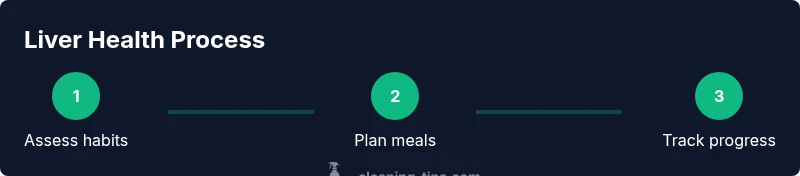
Identify daily patterns that affect liver health, such as alcohol use, meal timing, and activity level. Record meals for a week to see where you can introduce more fiber and plant-based options. This baseline helps tailor the plan to your life.
Tip: Use a simple log to track one change at a time for better adherence. - 2
Plan liver-friendly meals
Create a 7-day meal plan centered on vegetables, whole grains, lean proteins, and healthy fats. Include at least one fiber-rich vegetable at every main meal and a source of polyphenols (berries, citrus, leafy greens).
Tip: Prepare a batch of legumes or grains on Sunday to simplify weeknight meals. - 3
Incorporate regular physical activity
Aim for 150 minutes of moderate exercise weekly, plus two days of strength training. Routine activity supports insulin sensitivity and liver fat reduction, improving overall liver health.
Tip: Break it into 30-minute daily sessions if that fits your schedule better. - 4
Prioritize hydration and sleep
Target 8 cups (about 2 liters) of water daily and 7–9 hours of sleep per night. Hydration supports toxin clearance; adequate sleep helps hormonal balance and recovery.
Tip: Carry a water bottle and set a consistent bedtime reminder. - 5
Review alcohol and toxins
Limit alcohol to recommended guidelines and minimize exposure to environmental toxins where possible. Read labels, choose fewer-added-sugar beverages, and use safer cleaning products at home.
Tip: If you drink, alternate with water to reduce overall intake. - 6
Create a sustainable 4-week plan
Combine meals, hydration, exercise, and sleep changes into a simple weekly routine. Track progress and adjust gradually to avoid overwhelm. The goal is consistency, not perfection.
Tip: Set realistic weekly goals and celebrate small milestones.
Questions & Answers
Is there scientific evidence for liver cleansing products?
Most detox products lack robust clinical evidence. The liver detoxifies daily, and evidence supports sustainable diet and exercise over short-term cleanses.
Most detox products lack solid evidence; focus on steady lifestyle changes for liver health.
What foods support liver health?
A diet rich in fruits, vegetables, fiber, and lean protein supports liver function. Moderate coffee intake and healthy fats can also help, while limiting processed foods is wise.
Eat lots of plants, fiber, and lean protein; limit processed foods to support your liver.
Can a short-term cleanse improve energy?
Any energy change from a cleanse is more about overall diet and hydration than the cleanse itself. Sustained habits yield better long-term energy.
Energy improvements come from consistent healthy habits, not quick cleanses.
How long does it take to see liver health benefits from lifestyle changes?
Benefits accrue over weeks to months. Consistency is key, with gradual improvements in digestion, energy, and metabolic markers.
With steady changes, you can start noticing benefits within weeks to a few months.
Are detox diets safe for everyone?
Detox diets can be unsafe for certain groups, including pregnant people, children, and those with liver disease. Consult a clinician before starting any cleanse.
Talk to a healthcare provider before any detox, especially if you have health conditions.
Should I take supplements marketed as liver cleansers?
Most supplements lack strong evidence and may carry risks or interactions. Rely on diet, hydration, and lifestyle changes unless prescribed by a clinician.
Supplements aren’t a substitute for healthy habits; check with a clinician first.
Watch Video
The Essentials
- There is no proven liver cleanse; focus on habits.
- The liver detoxifies naturally with consistent lifestyle choices.
- Fiber, hydration, sleep, and exercise support liver health.
- Reduce alcohol and processed foods; choose whole foods instead.