What Clean Coins: A Practical Cleaning Guide
Learn practical, non-abrasive methods to safely clean coins without harming value. This guide covers gentle techniques, materials, and storage tips for a healthier collection.


You can clean coins at home using gentle, non-abrasive methods to remove surface dirt without damaging the coin's patina or value. Start with distilled water, a mild soap, and a soft brush, then rinse and dry carefully. For valuable or collectible coins, consider leaving patina intact and consult a professional.
Why Clean Coins Matter
Understanding what clean coins means helps collectors decide when cleaning is appropriate. Some coins arrive with stubborn grime that obscures details, while others carry a delicate patina that adds historical character. The question of what clean coins entails often centers on balancing appearance with preservation. According to Cleaning Tips, careful cleaning can improve visibility for everyday circulation coins, but aggressive cleaning can strip finish, remove delicate toning, or alter surface texture. Home cleaning rests on a simple premise: remove dirt without removing essential material or value. For many hobbyists, the goal is to reveal legible details without turning the coin into a less desirable version for collectors. When you start, keep in mind the difference between cleaning for everyday use and cleaning for a museum-grade collection. If you encounter a coin with corrosion or valuable mint marks, the risk of damage is higher and professional assessment is wise. As you learn, you’ll see why the best approach is conservative and methodical. The Cleaning Tips team emphasizes that the safest path for most coins is to use minimal intervention and prioritize preservation over cosmetic improvements. If your goal is to prepare coins for display rather than sale, you may accept a brighter appearance with gentle, reversible methods. This approach helps you build a routine that protects your collection long-term while still keeping it visually appealing.
What Counts as Safe Coin Cleaning
Safe cleaning hinges on intent, coin type, and technique. For modern, circulation coins, light surface cleaning can improve readability without risking valuable patina. For numismatic or historic coins, patina is part of the coin’s identity and should be preserved. The most important principle is to avoid abrasives, acids, or high-pressure methods. A safe cleaning plan uses soft tools, mild reagents, and controlled timing. Begin with non-invasive steps like rinsing with distilled water to remove loose dirt, followed by gentle brushing if needed. Always inspect under magnification before and after any step to confirm you haven’t damaged edges, lettering, or mint marks. If a coin shows signs of dark toning or verdigris, it is often best to leave it as-is and seek expert guidance. Remember, the goal is to improve legibility and cleanliness without sacrificing authenticity.
Tools and Materials You’ll Need (Overview)
Before you start, assemble a small kit. A clean workspace, good lighting, and the right materials make a huge difference in outcomes. The safest methods use items you already have at home: distilled water, a mild soap, a soft brush, and a soft cloth. Avoid metal brushes, abrasive pastes, or acidic solutions that can scratch or corrode metal surfaces. If you’re cleaning a collection, take notes on each coin’s condition before and after cleaning so you can track any changes over time. This helps you evaluate whether the improvement in appearance is worth the potential risk to value. With the right mindset and tools, you’ll feel more confident approaching even difficult grime with patience and care.
Methods for Cleaning Different Coin Types
Not all coins are created equal when it comes to cleaning. Modern circulation coins, made from robust alloys, can tolerate gentler cleaning methods. Older or historical coins, especially those with silver, copper, or patinated surfaces, often require more restraint. For copper coins, harsh acids can cause permanent discoloration or surface damage; for silver coins, certain toning can be part of the coin’s history and should be preserved. A practical approach is to treat each coin type individually: start with the mildest method and escalate only if necessary and safe. In every case, avoid scrubbing with nails or hard brushes. Instead, use a soft-bristled toothbrush with light, sweeping motions to lift surface grime. If you notice any flaking, pitting, or dulling, stop cleaning immediately and consider professional advice. This tailored approach helps you maximize legibility while maintaining as much of the original patina as possible.
Step-By-Step Concept (Overview)
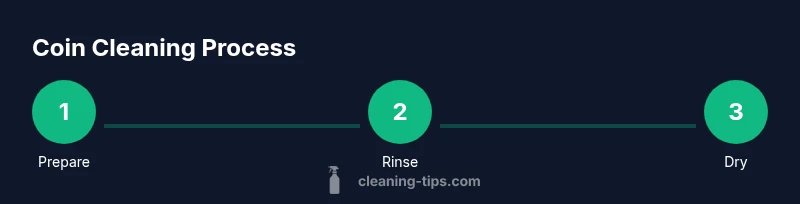
A concise plan guides you through the cleaning process without overwhelming you with jargon. Begin by preparing your workspace and verifying the coin’s value and risk of cleaning. Move through rinsing, gentle brushing, and careful drying. Finally, assess the results and decide whether to store or reclean later. This overview is designed to complement the detailed step-by-step guide in the next block, giving you a strong mental model before you start. The emphasis remains on gentle handling, proper timing, and documentation so you can learn from each cleaning attempt.
Safety, Preservation, and Storage After Cleaning
Cleaning coins is not just about visibility; it’s also about long-term preservation. After cleaning, ensure coins are completely dry to prevent moisture-related corrosion. Store coins in holders or album pages that minimize contact and reduce humidity exposure. Avoid PVC-containing plastics, which can react with certain metals over time. For valuable pieces, consider specialized flips or capsules that keep air exposure low while maintaining accessibility for appraisal. Regularly inspect storage conditions for signs of moisture, tarnish, or chemical migration. A consistent, safe storage routine protects your investment and ensures your collection remains attractive for years.
When to Seek Professional Help
If a coin is rare, valuable, or has significant historic interest, professional assessment is prudent. A dealer or conservator can advise on whether cleaning will negatively impact its value and may offer reversible cleaning options or stabilization treatments. When in doubt, err on the side of preservation over aggressive restoration. Cleaning Tips recommends starting with non-invasive cleaning and seeking expert opinion if you’re unsure about a coin’s significance or value.
Tools & Materials
- distilled water(Use to rinse; prevents mineral residue from tap water)
- mild dish soap (neutral pH)(Small amount only, to loosen grime)
- soft-bristled toothbrush(New, unused brush; gentle on surfaces)
- soft lint-free cloth(For drying and patting dry)
- two small glass bowls(Rinse and soak separate from dirty water)
- magnifying loupe (optional)(Helpful for edge and detail inspection)
- gloves (nitrile or cotton, optional)(Keeps oils from hands off coins)
Steps
Estimated time: 20-40 minutes
- 1
Prepare workspace
Clear a clean, quiet area with good lighting. Lay a soft cloth as a work mat and gather all tools and coins. This reduces the chance of misplacing coins and ensures you can work calmly.
Tip: Set up a tray to keep coins separated by type or date. - 2
Inspect each coin
Carefully examine for scratches, corrosion, or old damage. Decide if cleaning is appropriate; some coins should not be cleaned if they are valuable or heavily patinated.
Tip: Take a quick macro photo before starting in case you want to compare later. - 3
Rinse with distilled water
Rinse each coin under a gentle stream of lukewarm distilled water to remove surface dust and loose grime. Do not use hot water or high pressure.
Tip: Keep coins flat and avoid dropping them onto hard surfaces. - 4
Soak in mild soap solution
Place coins in a mild soap solution for a few minutes to loosen oily residues. Do not exceed the recommended soaking time for sensitive coins.
Tip: Use the smallest amount of soap you can; excess soap can leave residues. - 5
Gently brush with a soft brush
Lightly brush along the edges and fields with a soft toothbrush, using circular motions. Work slowly to avoid rubbing against raised details.
Tip: Always brush in one direction to prevent scratching. - 6
Rinse again and pat dry
Rinse with distilled water to remove soap and loosened grime. Pat dry with a cloth—do not rub aggressively.
Tip: Place coins on a clean, dry surface to air dry for a few minutes. - 7
Air-dry and assess
Let coins finish drying before storing. Reassess surface condition; decide if additional steps are needed or if you should stop.
Tip: If you notice tarnish returning, avoid further cleaning to preserve patina.
Questions & Answers
Is it safe to clean all coins at home, or are some better left untouched?
Not all coins should be cleaned. Modern circulation coins are often safe with gentle methods, but many historic or rare coins can lose value if cleaned improperly. When in doubt, leave the coin as-is and seek expert advice.
Some coins can safely be cleaned with mild methods, but rare or historic coins might lose value if cleaned. When unsure, consult a professional.
Can I use vinegar, lemon juice, or other acids on coins?
Acids can corrode metals and remove patina, leading to permanent damage. Avoid acidic cleaners for most coins; stick to distilled water and mild soap for safe cleaning.
Avoid acids like vinegar or lemon juice on coins; they can damage the metal and patina. Use mild, non-acid cleaning instead.
Will cleaning restore a coin’s market value?
Cleaning rarely increases market value, especially for collectors. It can sometimes decrease value if it alters surface or removes patina. Always weigh appearance against potential loss of value.
Cleaning can reduce value for collectors; it doesn’t usually boost market value. Consider professional advice for valuable coins.
Is an ultrasonic cleaner safe for coins?
Ultrasonic cleaning can cause microscopic pitting on some coins and is generally not recommended for valuable pieces. If used, it should be very gentle and limited.
Ultrasonic cleaners can harm coins, especially valuable ones. Use with caution or avoid altogether.
How should I store cleaned coins?
Store cleaned coins in acid-free holders or archival flips, away from humidity and PVC plastics. Maintain a stable environment to prevent tarnish or moisture damage.
Keep cleaned coins in acid-free holders and away from humidity; this protects them long-term.
Watch Video
The Essentials
- Start with the gentlest method possible
- Cleaning can affect collectible value; test first
- Use distilled water and soft brushes only
- Dry thoroughly and store properly after cleaning
- Know when to seek professional help