What Clean Your System: A Practical Home Cleaning Guide
Learn what clean your system means for a healthier home, covering air, water, and surface maintenance with practical, eco-friendly steps from Cleaning Tips.


Here’s how to clean your system: start by surveying major home subsystems (air, water, surfaces), then clean and sanitize each area using eco-friendly products. Prioritize filters, vents, drains, and appliances, and finish with a simple maintenance plan. Follow the steps below for a safe, thorough, house-wide refresh.
Core Concept: What Clean Your System Means at Home
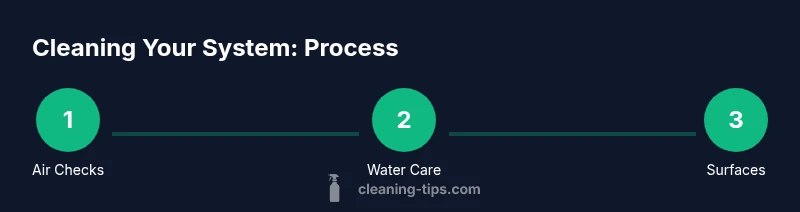
The phrase what clean your system describes a holistic approach to keeping every major home subsystem free from contaminants, buildup, and inefficiency. In practical terms, it means understanding that what clean your system entails isn’t just about visible dirt; it’s about reducing hidden risks in air, water, and surfaces. In this guide, Cleaning Tips emphasizes a health-forward mindset that centers on three pillars: air quality, water quality, and surface sanitation. The first step is to map out the components that influence indoor air quality, water flow, and surface cleanliness. By focusing on air, water, and surfaces you create a framework you can repeat monthly or quarterly. If you actively track the condition of filters, vents, drains, and appliances, you’ll notice patterns such as clogged vents or mineral buildup that signal it’s time for a deeper clean. This approach also helps households divide responsibilities and follow safety practices. Remember, the goal is to minimize pollutants and maximize efficiency while maintaining comfortable living spaces with sustainable cleanliness that lasts beyond a single session.
System Areas to Clean: Air, Water, Surfaces
A practical understanding of what clean your system entails requires examining each major subsystem. Air quality depends on clean HVAC filters, sealed ducts, and regular dusting of registers. Start with a baseline: check filter type and replacement frequency, then upgrade to a higher‑efficiency filter if your system supports it. Ventilation fans should run during cleaning to remove fumes from cleaners. Water-related components include faucets, aerators, showerheads, and accessible pipes. Mineral buildup responds well to a vinegar solution and thorough rinsing. Surfaces span kitchen counters, bathroom tiles, and high‑touch areas like door handles. Use a surface-appropriate sanitizer and let it air dry for maximum efficacy. Don’t overlook outdoor areas: keep gutters clear, sweep decks, and store chemicals away from kids and pets. Following this three-pillar approach helps you maintain consistency and verify results over time.
Prioritizing Cleaning Tasks Based on Risk
Determining what clean your system entails also means ranking tasks by health impact. Start with components that influence breathing and hygiene—filters, ducts, and kitchen/bath surfaces—because poor air and contaminated surfaces can affect every room. A simple priority matrix helps: address high‑impact items first (air quality, mold risk, clutter) and schedule lower‑impact items later. Use 15‑minute blocks for quick wins, and extend only if time allows. Document findings with photos and notes to create a reference you can reuse or share with a professional if needed. A consistent schedule reduces neglect and makes thorough cleaning sustainable rather than overwhelming. Cleaning Tips recommends a lightweight monthly maintenance routine with a deeper quarterly review for systems that accumulate buildup more quickly.
Safe Cleaning Protocols and Product Selection
Selecting the right tools matters as much as choosing cleaners. Favor eco-friendly options to minimize chemical exposure and protect surfaces. Use microfiber cloths and soft brushes to avoid scratches; for stainless steel and appliances, avoid abrasive pads. Always ventilate rooms and read label directions; never mix cleaners. For drains, hot water with baking soda and a splash of vinegar can help minor clogs, but do not rely on this for serious blockages. For air systems, reuse washable filters when suitable and replace per manufacturer guidance. Wear gloves and eye protection when handling stronger cleaners and store chemicals in a secure, labeled location away from children and pets. A careful, safe approach reduces risk while maintaining cleanliness.
Step-by-Step Assessment of Your Home's Systems
Start with a quick inventory of air, water, and surface subsystems. Use a simple checklist to record the current state of filters, drains, fixtures, and surfaces. Inspect HVAC filters, bathroom exhausts, kitchen vents, and visible ductwork if accessible. Check faucets for mineral buildup and run water to gauge flow; note any unusual noises or leaks. Clean and sanitize high‑touch areas such as door handles, switches, and countertops, allowing cleaners to dry fully before use. Document findings with photos and dates, then compare against your baseline next month. This ongoing assessment helps catch early signs of trouble, such as decreased airflow or persistent odors, guiding maintenance decisions. A transparent, repeatable process creates a reliable system for ongoing cleanliness.
Common Pitfalls and How to Avoid Them
Rushing a cleaning project can leave misses or cause unfortunate chemical interactions. Avoid mixing ammonia with bleach, which produces hazardous fumes. Don’t ignore protective gear; always wear gloves and goggles when handling stronger cleaners. Avoid using steel wool on stainless surfaces to prevent scratches, and never pour cleaners down a clogged drain if you’re unsure of the plumbing layout. Don’t assume one session solves everything; most systems need follow‑up maintenance, especially after seasonal changes or heavy use. Finally, don’t underestimate the value of a written plan—without a checklist or calendar, tasks drift and get forgotten. Recognizing these pitfalls saves time, protects health, and sustains cleanliness long‑term.
How to Build a Simple Maintenance Schedule
A maintenance schedule is the backbone of keeping your system clean. Start with a cadence that fits your household—monthly quick checks and a quarterly deep clean work well for many homes. Create a reusable checklist you can print or save on your phone. Schedule tasks for each subsystem: air (filters and ducts), water (fixtures and drains), and surfaces (high‑touch areas). Set reminders a few days before tasks are due to prevent procrastination. Track completion dates and note improvements or recurring issues. Over time, your routine becomes predictable, reducing buildup and health risks. Cleaning Tips suggests seasonal reviews and adjustments to frequencies based on usage, keeping motivation high and progress measurable.
Tools & Materials
- Vacuum with HEPA filter(For dust and allergen control; suitable for carpeted and hard floors)
- Microfiber cloths(Lint-free; use multiple colors for different zones)
- All-purpose cleaner (eco-friendly)(Phosphate-free; safe for most surfaces)
- Distilled white vinegar(Dilute for mineral buildup and deodorizing)
- Baking soda(Deodorizing and gentle scrubbing agent)
- Bucket(2-3 gallon size)
- Spray bottle(Label clearly; keep separate cleaners)
- Gloves(Rubber or nitrile for protection)
- Safety goggles(Optional for vent and drain work)
- Old towels or rags(Catch drips and spills)
Steps
Estimated time: 60-90 minutes
- 1
Survey and prep
Identify the main systems to inspect, gather tools, and set up a safe workspace. Prepare ventilation and read label instructions before using cleaners. This step reduces surprises and helps you stay organized.
Tip: Wear gloves and keep a simple checklist handy. - 2
Inspect air-related components
Check HVAC filters and accessible ducts, note replacement needs, and document findings. If you can access ducts safely, remove dust with a vacuum and microfiber cloth. Replace filters according to manufacturer guidance.
Tip: Choose a compatible filter grade (MERV) for your system. - 3
Clean surfaces and high-touch areas
Wipe kitchen counters, bathroom surfaces, and door handles with an eco-friendly cleaner. Rinse and dry thoroughly to prevent residue. Use separate cloths for kitchen and bathroom zones to avoid cross-contamination.
Tip: Use two cloths per room: one damp and one dry. - 4
Address drains and water fixtures
Flush drains with hot water and a baking soda/vinegar combo to reduce mineral buildup. Inspect fixtures for leaks and replace washers if needed. Do not rely on chemical drain cleaners for stubborn issues.
Tip: For mineral buildup, let vinegar sit briefly before rinsing. - 5
Sanitize and deodorize appliances
Clean refrigerator coils, microwave interiors, and oven surfaces. Unplug appliances when safe to do so and avoid harsh abrasives. Allow surfaces to dry fully before reusing.
Tip: Use a soft brush for coils and a non-scratch pad for interiors. - 6
Document and schedule maintenance
Record results, dates, and any replacement parts. Set reminders for next checks and update the checklist. A clear record makes it easier to maintain cleanliness over time.
Tip: Set a recurring calendar reminder for each subsystem.
Questions & Answers
How often should I clean my home systems?
Aim for monthly quick checks and a quarterly deep clean for high-use homes. Adjust cadence based on seasonal changes and usage patterns.
Do quick checks monthly and plan a deeper clean every three months, adjusting for seasons.
Are store-bought cleaners safe for appliances?
Choose eco-friendly cleaners labeled safe for appliances; avoid harsh abrasives on delicate surfaces. Follow label directions and test first.
Eco-friendly cleaners are usually best; always follow the label.
Can I clean air ducts myself?
DIY cleaning is feasible for simple ducts and loose dust, but professional cleaning is advisable for complex layouts or mold concerns.
DIY can help small tasks, but hire a pro for complex ducts or mold.
What are signs of a dirty system?
Persistent odors, reduced airflow, frequent clogs, leaks, or sudden energy bill increases can indicate buildup or faults.
Watch for odors, weak airflow, and more leaks.
How do I maintain a cleaning plan?
Set regular reminders, use a simple checklist, and adjust frequencies with seasons and household changes.
Set reminders and adjust the plan with the seasons.
The Essentials
- Plan around air, water, and surfaces.
- Use eco-friendly cleaners where possible.
- Maintain a simple, repeatable schedule.
- Document findings to guide future cleaning.