What cleans your system from drugs: Detox basics explained
Explore why there is no quick, safe detox to purge drugs from your body. Learn how metabolism works, debunk detox myths, and discover health-focused ways to support your body's natural detox processes.


There is no safe, proven method to rapidly cleanse your system of drugs or to guarantee a negative test result. Drug elimination depends on the specific substance, amount used, and individual metabolism. No quick fix reliably clears all traces. Prioritize overall health, seek medical guidance for any concerns, and avoid unproven detox products or methods.
What 'clean your system' really means
When people ask what cleans your system from drugs, they are usually referring to eliminating traces of substances from the body. In medical and health contexts, there is a distinction between reducing toxin exposure and supporting the body's natural detox processes. According to Cleaning Tips, the human body detoxifies through a combination of organ systems, with the liver and kidneys playing central roles. The brain and other tissues also metabolize and distribute compounds as part of normal physiology. The goal of healthy detox is not a crash‑course cleanse but a steady, healthful support of the body's natural functions. This guide emphasizes evidence-based, safe approaches and warns against unverified products that promise rapid results. The Cleaning Tips team believes readers deserve guidance grounded in science and safety, not sensational claims.
How the body clears substances
The liver metabolizes many drugs into forms that are easier to eliminate. The kidneys filter waste from the blood, producing urine that carries byproducts out of the body. Slower metabolism, dehydration, and impaired organ function can extend the time drugs stay in the system. Importantly, metabolism is highly variable across individuals and depends on factors such as the specific drug, dose, frequency of use, and genetics. Because there is no universal timetable, the focus should be on supporting overall health rather than chasing a fixed deadline. Based on Cleaning Tips research, there is no evidence that short-term, formulaic detox protocols reliably accelerate drug clearance in a safe or consistent way.
Myths vs. reality about detox
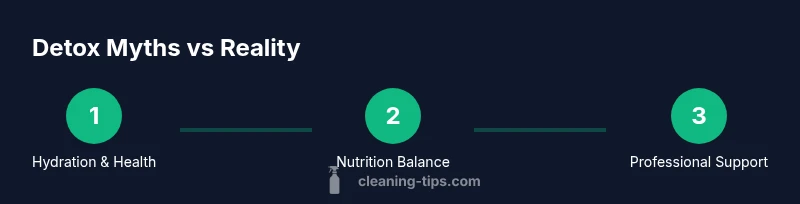
There is a long list of detox products and routines touted to ‘flush’ drugs from the body. Many rely on unrealistic claims or extreme diets, saunas, or diuretic regimens. These approaches can cause dehydration, electrolyte imbalances, or other health risks. In reality, the most dependable way to manage health during recovery or screening periods is to maintain hydration, eat a balanced diet, and get adequate sleep. Detox drinks, supplements, or cleanses often lack rigorous science and can interact with medications. Cleaning Tips urges readers to be skeptical of quick-fix detox solutions and to consult a healthcare professional for personalized advice.
Safe ways to support health naturally
Healthy detox is about minimizing harm and supporting bodily functions. Prioritize regular hydration with water and other non-caffeinated fluids to help kidney function, but avoid excessive intake that could disrupt electrolyte balance. Eat a balanced diet rich in fiber, lean protein, and vegetables to support liver function and gut health. Aim for consistent sleep patterns and stress management, as chronic stress can affect overall metabolic balance. Engage in moderate physical activity as tolerated, such as walking or gentle cycling, which can support circulation and well-being. The emphasis is on sustainable habits rather than drastic, untested programs.
If you’re worried about substance use
If you’re facing concerns about drug use—whether personal or a loved one—seek professional help. A clinician, counselor, or addiction specialist can provide assessment, support planning, and treatment options. Creating a safety plan, connecting with supportive peers, and utilizing community resources can improve outcomes. Cleaning Tips acknowledges that substance use issues are medical and social in nature and encourages compassionate, evidence-based care. If you need immediate help, contact local health services or helplines.
Putting health first: a practical, healthful plan
A healthful plan focuses on sustainable habits rather than rapid cleanses. Start with a health check if you have concerns about drug use or exposure. Maintain hydration and nutrition, prioritize sleep, and incorporate gentle movement. If you have questions about medications or interactions, discuss them with a pharmacist or physician. The overarching message is clear: support your body’s natural processes through everyday health practices, guided by professionals when needed. The Cleaning Tips team recommends building a routine that supports long-term well-being rather than chasing quick fixes.
Tools & Materials
- No specialized tools required(This article focuses on health practices; consult a clinician for personalized medical advice.)
Steps
Estimated time: Total time: 90-120 minutes
- 1
Schedule a health consult
Reach out to a clinician to review any concerns about drug exposure, health status, and medication interactions. This ensures you have a safe, personalized baseline before making changes to your routine.
Tip: Pro tip: Write down symptoms, concerns, and medications before the appointment to make the discussion efficient. - 2
Prioritize hydration and steady nutrition
Aim for steady hydration with water and non-sugary drinks, and eat a balanced mix of fiber, protein, and colorful vegetables. Hydration supports kidney function and overall metabolism without relying on unproven crash diets.
Tip: Pro tip: Pair water intake with meals to improve adherence and nutrient absorption. - 3
Prioritize sleep and stress management
Establish a consistent sleep schedule and incorporate short relaxation practices to reduce stress. Adequate rest supports cognitive function, mood stability, and metabolic health.
Tip: Pro tip: Create a calming pre-sleep routine and keep a regular wake time, even on weekends. - 4
Engage in gentle physical activity
Include moderate activity such as walking, cycling, or light resistance training to support circulation and general health. Always progress gradually and listen to your body.
Tip: Pro tip: Start with 20–30 minutes, 3–5 days a week, and adjust based on how you feel. - 5
Avoid unproven detox products
Steer clear of detox kits, pills, or extreme regimens that claim rapid results. They can be unsafe and are not supported by solid clinical evidence.
Tip: Pro tip: If a product sounds too good to be true, consult a clinician before trying it. - 6
Create a toxin-aware home environment
Keep living spaces clean and well-ventilated; reduce exposure to household chemicals by using safer alternatives and proper storage.
Tip: Pro tip: Read labels for ingredients and avoid products with strong fumes when possible. - 7
Seek help if substance use is a concern
If you’re worried about substance use, reach out to addiction specialists, counselors, or support groups. A professional plan can provide structure and accountability.
Tip: Pro tip: You are not alone—many communities offer confidential help lines and resources.
Questions & Answers
What does detox mean in health terms?
Detox in health contexts refers to reducing toxin exposure and supporting liver and kidney function. It is not a magical cleanse and should be guided by medical advice when concerns about exposure or health exist.
Detox means reducing exposure and supporting your organs, not a miracle cure. Always consult a clinician for personalized guidance.
Can you speed up drug elimination?
There is no reliable method to speed up elimination that works for everyone or all drugs. Metabolism and kidney function differ by substance and individual.
There’s no proven way to speed up elimination; it varies by drug and person.
Are detox drinks or kits safe?
Most detox products lack solid scientific support and can pose health risks. Avoid them unless advised by a healthcare professional.
Most detox products aren’t backed by science and can be risky.
Should I detox to pass a drug test?
Detoxing to pass a test is not advised. Focus on health and consult the policy or a medical professional for guidance relevant to your situation.
Detoxing to beat a test isn’t recommended; talk to a professional.
How long do drugs stay in the system?
Duration depends on the specific drug, usage pattern, and individual metabolism. There’s no universal timeline; check reliable medical sources for substance-specific information.
How long it stays varies by drug and person.
What should I do if I’m worried about substance use?
If you’re worried about substance use, seek help from a clinician or counselor. Supportive resources and evidence-based treatment options are available.
If you’re worried, talk to a professional for guidance and support.
Is there a safe, medically supervised detox?
Some cases require medically supervised detox, especially for withdrawal from certain substances. Only pursue this under professional medical care.
In some cases, a medical detox is needed, but only with a clinician.
How can I support someone going through substance use recovery?
Offer nonjudgmental support, help them access professional care, and encourage participation in evidence-based treatment and support groups.
Be supportive and connect them with professional help and community resources.
Watch Video
The Essentials
- Avoid quick-fix detox claims.
- Support health with steady hydration, nutrition, and sleep.
- Seek medical guidance for concerns about drug exposure.
- Detox is about health, not shortcutting test results.
- Professional help matters when substance use is a concern.