How to get clean fast for a drug test: Safe, legal guidance
This guide explains how drug testing works, why quick 'detox' claims are unsafe, and legitimate steps to address testing with honesty and legality. Learn about rights, timelines, and support resources.


Understanding drug testing and the risks of trying to rush a clean result is essential. There is no safe, reliable method to get clean fast for a drug test. Detox products and shortcuts can be harmful, illegal, or distort results. The best path is to seek legal guidance, discuss your situation with a healthcare professional, and follow legitimate employer or school policies.
How drug tests work: a practical overview
People often search for ways to accelerate elimination of substances from the body, including the phrase how to get clean fast for a drug test. In reality, most workplace and academic tests screen for specific substances and metabolites using standardized methods that detect recent use within defined windows. Testing is designed to be objective and traceable, not easily defeated by quick fixes. Factors such as metabolism, body mass, hydration, and timing relative to exposure influence detectability, but there is no universal timetable or guaranteed shortcut. Understanding the basics helps you navigate the process with honesty and compliance. According to Cleaning Tips, knowing how tests operate is the first step toward responsible action and safer outcomes for your health and future opportunities.
Quick context on test types and what they detect
Many tests use immunoassay screens followed by confirmatory tests like GC-MS or LC-MS/MS. They may check for substances such as cannabis (THC), cocaine, amphetamines, opiates, and PCP, among others. Results can be reported as negative, positive, or inconclusive, requiring additional confirmation. Employers and institutions often set specific cutoffs and review policies for what constitutes a positive result. This section grounds readers in the practicalities of testing without promising shortcuts or guarantees. Cleaning Tips analysis shows that the best approach is education and transparency, not attempts to manipulate outcomes.
Why honesty and legality trump shortcuts
The popular impulse to find a fast fix often clashes with safety, legality, and personal integrity. Even if a product or method claims to help you test clean, it may be ineffective, unsafe, or illegal. Tampering with a test can lead to disciplinary action, legal consequences, and damage to your reputation. The most reliable path is to acknowledge the situation, seek appropriate guidance, and follow procedures in place. Cleaning Tips emphasizes that health, safety, and compliance should come first, with a plan to address any underlying concerns through proper channels.
Tools & Materials
- none(No physical tools required for safe, compliant handling.)
Steps
Estimated time: Total: 2-7 days (depending on policy timelines and required steps)
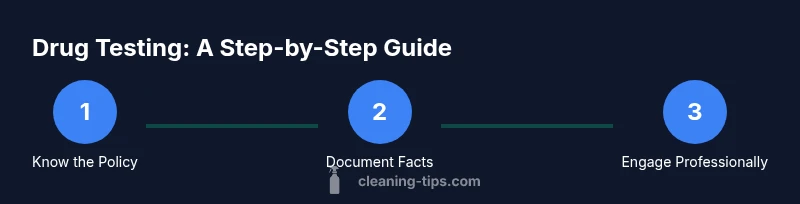
- 1
Identify applicable policies and timelines
Review the exact drug-testing policy relevant to your situation (workplace, school, or program). Note submission deadlines, required documentation, and who to contact for questions. This clarity reduces anxiety and sets realistic expectations.
Tip: Keep a copy of the policy and any communications in a dedicated folder for quick reference. - 2
Consult healthcare or legal professionals
If you foresee complications or need accommodations, seek advice from a medical professional or attorney who can explain rights and options within your jurisdiction. They can help you understand implications and available protections.
Tip: Document the advice you receive and keep it with your policy materials. - 3
Document relevant information factually
Record dates of exposure, substances involved, and any factors that may influence results (medications, health conditions). This information can be useful if there is a discussion about results or accommodations.
Tip: Write notes in a neutral, factual tone—avoid emotional language. - 4
Prepare for a constructive conversation
If you need to discuss results or seek accommodations, plan a calm, factual conversation with your supervisor or program administrator. Present your documentation and ask about options such as medical considerations or temporary adjustments.
Tip: Practice your talking points to stay clear and professional. - 5
Follow recommended medical or legal guidance
If a healthcare professional provides recommendations, follow them carefully. This may include treatment plans, documentation, or timelines that support your situation in an appropriate, lawful way.
Tip: Keep track of any prescriptions or medical notes that are relevant to the test. - 6
Prioritize health and safety
Use this period to rest, hydrate responsibly, and maintain a balanced diet. While these practices support wellbeing, they should not be interpreted as a guarantee of a negative result or a shortcut to bypass testing.
Tip: Avoid any substances that could complicate future testing or health.
Questions & Answers
Can detox drinks help you pass a drug test?
Detox drinks lack consistent scientific support and may be unsafe. They are not a reliable or advised method to pass a drug test. Rely on policy guidance and professional advice instead.
Detox drinks aren’t reliable or safe for passing a drug test; seek proper guidance and follow policy.
What substances are commonly tested in standard panels?
Typical panels screen for cannabis, cocaine, amphetamines, opiates, and PCP, among others. Specific panels vary by policy and jurisdiction.
Most tests check cannabis, cocaine, amphetamines, opiates, and PCP.
Can I request a retest or alternate specimen?
Many programs allow retests or alternate specimens under certain conditions. Check your policy and discuss options with the relevant administrator.
Retest options depend on policy; review guidelines and ask about alternatives.
What should I do if I test positive?
If a positive result occurs, follow the institution's procedures, seek medical or legal counsel, and document any relevant information to determine next steps.
If positive, follow procedures and seek guidance; document what happened.
Are there rights I should know about in testing scenarios?
Rights vary by country and policy; consult a professional to understand your protections, confidentiality, and appeal processes.
Rights depend on location and policy; get professional advice to understand protections.
How long does it take for substances to clear different people’s systems?
Clearance timelines depend on the substance, amount used, frequency, and individual factors. No universal timeframe guarantees a negative result.
Clearance varies by substance and person; there’s no universal timeline.
Watch Video
The Essentials
- There are no safe shortcuts to beat a test.
- Know your policy, timelines, and rights before acting.
- Seek professional guidance for legitimate next steps.
- Health and safety come first in any testing scenario.