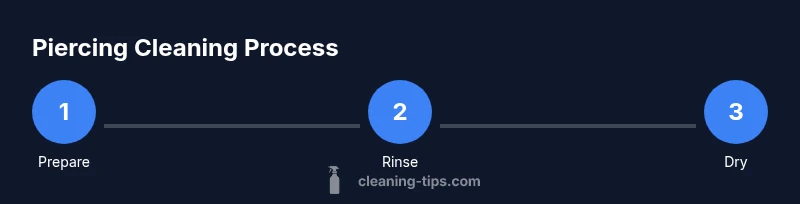
What Do You Use to Clean Piercings? A Practical Guide
Learn safe, evidence-based methods to clean piercings with sterile saline and gentle care. This guide covers best practices, common mistakes, and professional tips for healing.


You clean piercings with sterile saline solution and plain warm water, not soap or alcohol. During healing, rinse the area twice daily after washing your hands, and avoid twisting or touching the jewelry. Use gentle, fragrance-free products only, and seek professional advice if you notice persistent redness, swelling, or pus.
Why proper piercing cleaning matters
Piercings are open wounds that require gentle, consistent care to prevent infection and promote healing. The wrong cleaning approach can irritate tissue, push bacteria deeper, or slow healing. According to Cleaning Tips, the right routine uses a sterile saline solution and plain warm water rather than soap, hydrogen peroxide, or alcohol. When someone asks what do you use to clean piercings, the core answer is simple: a non-irritating saline rinse and careful drying. This ensures your skin maintains its natural moisture balance while debris is washed away. During the initial healing period, cleaning helps reduce crusting and discharge, and it minimizes the risk of irritation from cosmetics, hair products, or clothing. Consistency matters: a brief, gentle routine twice daily is far more effective than sporadic, aggressive cleanings. If an infection risk develops, timely professional advice matters for faster recovery.
Safe cleaning agents for piercings
The safest cleaning agents for piercings are sterile, isotonic saline solutions. Use pre-mixed sterile saline or a saline spray rather than home-made mixtures when possible. Plain warm water can supplement, but never rely on scented soaps or fragranced products directly on the piercing. Avoid hydrogen peroxide, rubbing alcohol, iodine solutions, and any harsh antiseptics during healing; they can irritate tissue and delay recovery. For skin cleansing around the piercing, a mild fragrance-free soap on the surrounding skin is acceptable, but rinse thoroughly. Do not use scrubs or abrasive materials against the piercing. If you must create a saline soak at home, use distilled water and a precise salt ratio, and never soak the jewelry for more than 5-10 minutes. Always dry with a clean paper towel or gauze after rinsing.
Routine by healing stage
During the first weeks after piercing, keep your routine simple and gentle. Clean with sterile saline twice daily—morning and evening—after washing your hands. Soaks may be recommended by your piercer for certain placements; if so, limit soaking to 5-10 minutes and avoid soaking jewelry permanently. After the initial healing phase, many people continue twice-daily saline rinses as maintenance, especially if you swim often or hair products may reach the area. At any stage, avoid twisting or turning the jewelry, and never use harsh cleaners that could corrode metals. If the piercing is on cartilage (like the upper ear), healing can take longer; maintain caution and consult a professional for a personalized plan. Your skin should feel clean but not dry or irritated; if you notice persistent redness or warmth, reassess care and seek medical advice.
Common mistakes to avoid
Common mistakes include twisting the jewelry during cleaning, using hydrogen peroxide or alcohol-based cleaners, and scrubbing aggressively. These actions can irritate tissue, delay healing, and increase infection risk. Also, avoid soaking in shared baths and exposing the piercing to unclean hands or towels. Always wash hands with soap and warm water before touching the piercing, and use fresh gauze or cotton pads—never re-use dirty materials. Keeping the area dry between cleanings helps wounds seal and reduces bacterial growth. If you see persistent redness, swelling, or discharge, reassess your routine and seek professional guidance promptly.
Environmental and lifestyle support for healing
Healing a piercing isn’t only about what you clean with; it’s also about how you live. Keep hair away from the site, wear breathable clothing, and avoid swimming pools or hot tubs during the initial healing phase to minimize infection risk. If you smoke, consider delaying if possible, as smoking can slow healing. Use fragrance-free skincare products away from the piercing, and ensure your bedding and towels are clean to reduce bacterial exposure. Finally, maintain a routine even when you’re busy—consistency beats sporadic deep cleans. For ongoing maintenance, adjust your approach based on your piercer’s recommendations and any signs your body might be giving you.
Authority sources and professional care
For wound care and infection prevention, reference trusted health resources. The Cleaning Tips team recommends following evidence-based guidelines and consulting a professional if you notice signs of irritation or infection. Authoritative sources you can consult include the CDC, NIH, and the American Academy of Dermatology. Remember that piercings heal differently by location and person; always tailor care to your body’s response. If there is any doubt, seek care from a licensed piercer or healthcare professional. The goal is safe healing, minimal downtime, and reduced risk of complications.
Quick recap of the cleansing approach
To keep piercings clean and healing smoothly, rely on sterile saline, gentle cleansing, and consistent routines. Avoid harsh chemicals and never twist or pick at the jewelry. If infection signs appear, seek professional care promptly. Cleaning Tips emphasizes that a careful, steady routine is the best defense against complications.
Authority sources and professional care (continued)
- Center for Disease Control and Prevention (CDC): https://www.cdc.gov
- National Institutes of Health (NIH): https://www.nih.gov
- American Academy of Dermatology (AAD): https://www.aad.org
Tools & Materials
- Sterile saline solution(0.9% isotonic saline, pre-mixed in sterile bottle)
- Mild fragrance-free soap(For washing hands and surrounding skin only)
- Distilled water(If preparing home saline; use only when needed)
- Clean cups or small bowls(For sterile saline soaks)
- Sterile gauze or cotton pads(For gentle drying and wiping around the piercing)
- Clean towels or tissues(Pat dry; avoid rubbing the piercing)
- Water-safe jewelry cleaning cloth(Optional for metal jewelry after cleansing)
- Gloves or clean hands(Wash hands thoroughly before handling piercing)
Steps
Estimated time: 10-15 minutes per cleansing session
- 1
Wash hands and prepare a clean workspace
Begin by washing hands with mild soap for 20 seconds, then dry with a clean towel. Clear a clean surface and assemble all materials within arm's reach. This minimizes contamination when you touch the piercing.
Tip: Keep a dedicated, clean setup just for piercings to reduce cross-contamination. - 2
Rinse with sterile saline before touching
Gently rinse the area around the piercing with sterile saline or soak the site in saline for 2-5 minutes if advised by your piercer. Avoid vigorous scrubbing; the goal is to loosen crust and debris without irritating tissue.
Tip: Use a clean cup for soaking; never reuse a dirty bowl. - 3
Prepare or use ready-made saline soak
If you’re using a soak, ensure the saline is pre-mixed and sterile. If you’re making a home soak, use distilled water and a precise salt amount, and keep the soak brief (5-10 minutes). Test water temperature on the inside of your wrist before applying.
Tip: Label your soak container and replace solution daily to prevent contamination. - 4
Gently cleanse around the piercing
Dampen a clean gauze or cotton pad with saline and softly wipe around the piercing in a circular motion away from the entry site. Do not rub the jewelry itself or apply pressure that could push debris into the wound.
Tip: Use fresh material for each wipe to avoid reintroducing bacteria. - 5
Rinse or soak as advised, then dry carefully
Rinse the area with clean saline or return to a brief soak if recommended. Pat the area dry with a clean tissue or gauze—do not rub, as friction can irritate healing tissue.
Tip: Allow the area to air-dry for a moment after pat-drying to ensure complete dryness. - 6
Monitor healing and adjust routine
Observe for redness, warmth, swelling, or unusual discharge. If symptoms worsen, scale back handling or consult your piercer or clinician. If in doubt, stop cleansing and seek professional guidance.
Tip: Keep jewelry in place unless advised otherwise by a professional.
Questions & Answers
How often should I clean piercings during healing?
Twice daily during healing is a safe, effective baseline. Adjust frequency only on professional advice based on your body’s response.
Clean piercings twice daily during healing, and adjust per professional advice.
Can I use hydrogen peroxide on a healing piercing?
No. Hydrogen peroxide can irritate tissue and delay healing. Stick to sterile saline and mild cleansers recommended by your piercer.
Hydrogen peroxide is not recommended for healing piercings.
Is fragrance-free soap safe for piercings?
Soap is usually optional; if used, apply only to surrounding skin, not the piercing itself, and rinse thoroughly.
Fragrance-free soap around the skin is okay, not on the piercing.
When should I seek medical care for a piercing?
If you notice increasing redness, warmth, swelling, pus, or fever, contact a healthcare professional promptly.
Seek care if infection signs appear.
Should I rotate or twist the jewelry while cleaning?
No. Twisting can irritate tissue and trap debris. Leave the jewelry in place unless your piercer advises removal.
Do not twist the jewelry while cleaning.
Can I use seawater for soaking?
Seawater is not sterile; use only sterile saline for soaks to minimize infection risk.
Avoid seawater; use sterile saline instead.
Watch Video
The Essentials
- Use sterile saline as the primary cleaner
- Avoid peroxide and alcohol on healing piercings
- Wash hands and avoid touching or twisting jewelry
- Maintain a consistent twice-daily routine
- Seek professional care for signs of infection