What Kind of Cleaner to Use on Laminate Floors: A Practical Guide
Learn exactly what kind of cleaner to use on laminate floors, plus safe DIY options, step-by-step cleaning methods, and maintenance tips to keep your laminate surfaces looking like new.


If you're wondering what kind of cleaner to use on laminate floors, the answer is clear: choose a mild, pH-neutral cleaner labeled for laminate or a small amount of mild dish soap in water. Mop with a barely damp microfiber, then dry promptly to prevent moisture damage. Avoid ammonia, vinegar, wax-based products, and steam cleaners that can harm the coating.
Understanding laminate floors and cleaners
Laminate flooring blends a photographic wear layer with a durable resin, designed to mimic real wood while being more resistant to scuffs. Yet the surface is not indestructible; excessive moisture or harsh cleaners can cause swelling, dulling, or separation at the edges. If you’re unsure where to start, think of laminate care as a balance between effective soil removal and minimal moisture exposure. According to Cleaning Tips, the safest approach is to use a cleaner that is specifically formulated for laminate or a mild, pH-neutral option. This guidance helps homeowners and renters keep their floors looking uniform and stain-free without compromising the protective surface. By choosing the right cleaner, you reduce the risk of stripping the finish or creating a haze that makes the floor look dull over time.
In short, knowing what kind of cleaner to use on laminate floors is less about picking a famous brand and more about selecting a product that is gentle, residue-free, and labeled for laminate surfaces. Always read the label to confirm suitability and follow dilution directions. The goal is to remove dirt without leaving film that attracts more dust or causes a slippery surface.
What makes a cleaner laminate-friendly
Laminate finishes are designed to tolerate routine cleaning, but not all cleaners are created equal. A laminate-friendly cleaner typically has a neutral pH (neither acidic nor alkaline) and is free from waxes, solvents, or silicone that can leave a slippery, hazy film. Residue is the enemy because it attracts new dirt and can require more frequent cleaning, escalating wear over time. Moisture is another key factor: laminate floors hate standing water, especially near seams or under baseboards. When choosing a product, look for phrases like "laminate floor cleaner" or "pH neutral" on the label, and avoid options that promise waxing or polishing effects. Regular use of a cleaner designed for laminate helps maintain the floor’s luster without altering its footprint or groove patterns. Pro tip: pair a microfiber mop with a well-wrung cloth to minimize water exposure and maximize dirt pickup.
When developing a routine, think about how cleaners interact with the floor’s surface and how your method limits moisture. A good cleaner won’t require heavy scrubbing or rinsing, and it should leave a dry, slip-free surface after wiping.
Approved cleaners and DIY options
There are two practical paths for laminate care: store-bought cleaners labeled for laminate flooring or simple, safe homemade solutions. A dedicated laminate floor cleaner is formulated to lift dirt without leaving residue, helping to preserve the integrity of the surface over time. If you prefer a DIY approach, mix a few drops of mild dish soap into a gallon of warm water, test in a small, inconspicuous area, then wipe with a damp microfiber mop. Both options should be used with a damp, not soaking-wet, cloth to prevent moisture from penetrating seams. Avoid vinegar, ammonia, or lemon-based cleaners, as their acidity can dull the finish, and never add waxes or wax-based polishes that leave a slippery layer. The Cleaning Tips team recommends starting with the gentlest option and escalating only if needed for stubborn dirt. Always follow dilution instructions and never mix cleaners with bleach or other strong chemicals.
For stain-specific cleaning, identify the stain type (oil-based, water-based, or sticky residue) and use targeted methods after testing a small area. Remember that laminate floors respond best to routine, light cleaning rather than aggressive scrubbing with abrasive pads. This keeps the color even and the texture consistent across rooms.
How to mop laminate floors the right way
Mopping laminate floors requires attention to moisture and technique. Begin by sweeping or vacuuming to remove grit that can scratch the surface. Prepare your cleaning solution according to the product instructions or mix a few drops of mild soap in water. Dip your microfiber mop, then wring it until it is only lightly damp. Work in small sections, following the grain or a straight path to avoid streaks. Rinse the mop frequently to prevent pushing dirt around. After mopping, go over the floor with a dry microfiber cloth or a clean, dry mop to remove any remaining moisture. If you notice a haze, wipe again with a fresh, damp microfiber and dry promptly. By using a damp (not wet) mop and thorough drying, you minimize water exposure and preserve the laminate’s protective layer. This technique aligns with best practices discussed by the Cleaning Tips team for longevity and consistent appearance.
A key habit is to wipe up spills immediately and use door mats to capture grit from outside. Avoid soaking the floor around vented areas or around pipes where moisture can linger and cause swelling over time.
Common mistakes to avoid
Many laminate floor issues stem from common errors. Do not steam clean, as high heat and moisture can penetrate seams and warp edges. Never use wax-based polishes or cleaners that leave a shiny film; they can dull the finish and attract more dust. Avoid abrasive pads that scratch the surface, and never pour cleaning solution directly onto the floor—work from a damp mop to prevent pooling. Pressure scrubbing, soaking, or rinsing the floor extensively can lead to moisture seeping into joints, causing warping or swelling. Instead, adopt a light, consistent cleaning routine and allow the floor to dry completely before walking on it. This prevents slipping hazards and extends the floor’s life. The goal is a clean surface with minimal moisture exposure while maintaining the floor’s authentic look.
Remember to use a dedicated laminate cleaner when possible, and if you use a DIY soap solution, use it sparingly and ensure complete drying after cleaning.
Maintenance tips for long-lasting laminate shine
Long-term laminate care goes beyond a single mopping session. Place doormats at entry points to reduce tracked-in grit, and use felt pads under furniture to prevent scratches when moving items. Keep humidity in a normal range to avoid swelling, and use a soft broom or vacuum designed for hard floors rather than a heavy-bristle brush. Periodic polishing or conditioning products marketed for laminate can help maintain gloss, but only if the product is explicitly labeled for laminate floors and applied according to the manufacturer’s directions. Wipe up spills promptly and avoid letting moisture accumulate near baseboards or under appliances. Regular cleaning with a mild, laminate-ready cleaner sustains the floor’s appearance and reduces the need for deep cleaning.
When to call a pro or consider replacement
If you notice persistent dulling, warping, or difficult stains that resist gentle cleaning, it may indicate more than surface dirt. Contact a flooring professional to assess underlying moisture exposure or damage to the protective layer. In some cases, stain removal or refinishing options exist, but laminate flooring typically cannot be refinished like hardwood. Early intervention, consistent cleaning, and the right cleaner can extend the life of laminate floors for years to come. Cleaning Tips recommends staying proactive and following manufacturer guidelines for best results.
Tools & Materials
- Microfiber mop(Flat or spray mop with soft microfiber pads; avoid stiff bristles)
- Bucket of clean water(For dilution when using a soap solution)
- pH-neutral laminate floor cleaner(Look for labels that specify laminate or hard floor cleaner)
- Mild dish soap (optional)(Only a few drops per gallon if you’re not using a dedicated cleaner)
- Microfiber cloths (dry and damp)(Use for wiping and drying; avoid lint residue)
- Non-abrasive scrub pad (optional)(Test in a hidden area first for stubborn spots)
- Gloves (optional)(Protect hands when cleaning large areas)
Steps
Estimated time: 20-30 minutes
- 1
Prepare space and materials
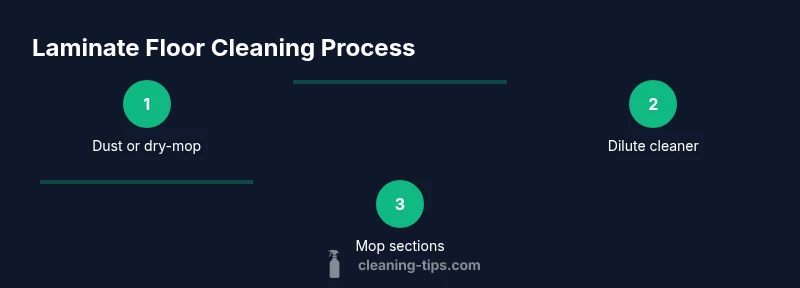
Clear the room of furniture and rugs. Vacuum or dry-mop to remove grit that could scratch the surface. This prevents abrasive debris from being ground into the floor during cleaning.
Tip: Having everything ready minimizes trips back and forth and reduces moisture exposure. - 2
Dilute cleaner correctly
If using store-bought cleaner, pour according to label directions. For a DIY option, mix a few drops of mild dish soap into a gallon of warm water. Always test a small area first to ensure no adverse reaction.
Tip: Never mix cleaners with bleach or ammonia. - 3
Dampen the mop
Dip the microfiber mop into the solution and wring until the mop is damp, not dripping. Excess water can seep into seams and cause swelling.
Tip: A well-wrung mop reduces moisture residue significantly. - 4
Mop in sections
Work in small 3–4 foot square sections, following the grain or a straight pattern. Rinse the mop frequently to remove accumulated dirt and avoid re-depositing it.
Tip: Change direction if you see streaks forming; this helps even out any residue. - 5
Rinse and wipe if needed
If you used a soapy solution, go over the floor with a clean, damp microfiber to remove any soap film. Then dry with a separate, dry microfiber to eliminate moisture lingering on the surface.
Tip: Soap film can attract more dirt; drying thoroughly is essential. - 6
Dry thoroughly
Finish by drying the floor completely with a dry microfiber cloth or towel. Avoid walking on the floor until completely dry to prevent paw prints and moisture damage.
Tip: Use fans or open doors to speed up drying in damp rooms. - 7
Spot-clean stubborn stains
Treat small stains with a damp cloth and a tiny amount of cleaner. Always test first and avoid scouring pads that can scratch the surface. If a stain persists, repeat after the floor dries to prevent over-wetting.
Tip: Always work from the outside edge toward the center to minimize tracking dirty water. - 8
Finish and maintain
Return furniture and rugs to place and maintain a light cleaning schedule. Floor mats at entryways help reduce grit and moisture. If in doubt, consult the floor manufacturer’s care guide for instructions specific to your laminate.
Tip: Record any observed changes in floor appearance to catch issues early.
Questions & Answers
Can I use vinegar on laminate floors?
Vinegar is generally not recommended for laminate surfaces because its acidity can dull the finish over time. Use a pH-neutral cleaner or a mild soap solution instead, and always test first.
Vinegar can dull laminate finishes, so it’s best to stick with a pH-neutral cleaner and test in a hidden spot first.
Is steam cleaning safe for laminate floors?
No. Steam cleaners introduce excess heat and moisture that can cause warping and edge swelling. Stick to damp mopping with a well-wrung microfiber cloth.
Steam cleaning is not recommended for laminate floors because it can cause damage from heat and moisture.
What pH level should a laminate cleaner have?
Look for products labeled as laminate floor cleaners with a neutral pH. If using soap and water, keep solutions mild and avoid strong detergents that leave residue.
Choose a laminate cleaner that’s labeled neutral pH, or dilute a mild dish soap in water sparingly.
How often should I mop laminate floors?
Mop as needed to remove dirt and spills; for high-traffic areas, a light damp mop once a week or after heavy activity is common. Always dry after cleaning.
Clean high-traffic areas as needed, then dry the floor to prevent moisture buildup.
Can I use waxes or polishes on laminate floors?
Wax-based products should be avoided on laminate as they can create a hazy film and make future cleaning harder. Use only cleaners labeled for laminate.
Avoid waxes on laminate; they leave residue and hinder cleaning later.
What should I do about stubborn stains?
Test a small area with a damp cloth and gentle cleaner. If unsolved, repeat after floor dries or seek manufacturer guidance to avoid damage.
Try a small test area first, then repeat cleaning if needed after drying.
Watch Video
The Essentials
- Use a mild, pH-neutral cleaner labeled for laminate.
- Mop with a barely damp cloth and dry promptly.
- Avoid ammonia, vinegar, waxes, and steam cleaners.
- Spot-test any cleaner first and never soak the floor.
- Maintain routine cleaning to extend laminate life.