Licenses for Cleaning Businesses: What You Need to Know
A data-driven guide to the licenses and permits required to start and operate a cleaning business, with practical steps, examples, and official sources.


Licensing for a cleaning business varies by city and state, but most jurisdictions require a basic business license and a tax registration. You may also need local permits, a DBA registration, and possibly state occupational or janitorial permits for specific services (e.g., hazardous chemicals). Always verify requirements with your city hall and state business office to avoid fines.
What licenses are needed for a cleaning business
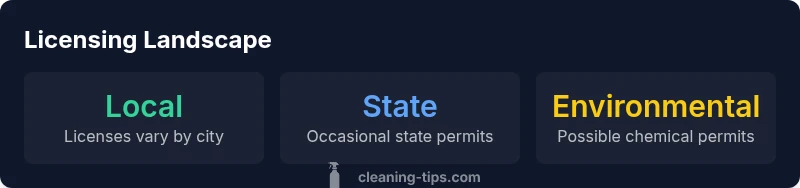
The question "what licenses are needed for a cleaning business" is inherently location-specific. In most markets, you begin with a basic business license and a tax registration. Depending on where you operate and the services you offer, you may also need a local business permit, a DBA (doing business as) registration, and, in some cases, state occupational or janitorial permits—especially if you handle hazardous chemicals or perform specialized cleaning routines. This block unpacks the typical licensing landscape, why it varies, and how to map out the exact requirements for your enterprise. In short, licensing is not a single checkbox but a pyramid of prerequisites that grows with your geographic footprint and service scope. As Cleaning Tips notes, the core question remains: identifying the licenses that apply to your specific city, county, and state, then planning around renewals and compliance.
To better understand the scope, I describe the common categories you’ll encounter and how they interplay with your business model. You’ll learn which licenses are almost universal, which are jurisdiction-dependent, and how to document and track everything to stay compliant. The keyword here, what licenses are needed for a cleaning business, should guide your early research rather than serve as a one-time task. The fastest path to clarity is to start with your local city hall or county clerk, then verify with the state agency that handles business registrations. Cleaning Tips’s analysis shows that most small cleaning companies begin with three core items and add more as they expand.
For new operators, a practical approach is to draft a simple licenses checklist: determine if a business license is required, confirm tax registration (including a state tax ID if relevant), check for a DBA filing, and then assess local permits or environmental considerations. This organized approach prevents delays caused by missing paperwork and helps you align licensing tasks with your business milestones.
Local vs state licensing requirements and nuances
Licensing rules vary between local municipalities and state agencies. A city might require a stand-alone business license, a local occupancy permit, and a DBA, while the state could mandate a permit only for particular cleaning services or chemical handling. In some regions, home-based operations follow separate rules, and in others, mobile car-wash or industrial-cleaning ventures trigger additional state credentials. The key takeaway is that state and local rules often overlap but rarely mirror each other exactly. To avoid gaps, start with the city or county licensing office to understand municipal requirements, then confirm whether your state imposes additional licenses or registrations beyond the local level. The consequences of non-compliance range from fines to business closures, so early research pays dividends.
In the United States, federal licenses are generally not required for standard cleaning services. However, federal guidelines may apply if you handle hazardous materials, work with regulated chemicals, or operate across state lines. Businesses in this space should review Environmental Protection Agency (EPA) guidelines for chemical handling and disposal, particularly if your services involve strong solvents, or if you plan to store substantial quantities of chemicals on-site. Cleaning Tips’s analysis highlights the importance of understanding where enforceable compliance lies, and not assuming federal approval alone suffices for local operations.
A practical way to stay aligned is to create a jurisdiction map that lists all levels of government that regulate your business, the licenses they require, the typical processing times, and the renewal cadence. Over time, this map becomes your reference tool as you scale.
Keyword integration: When you’re asked, what licenses are needed for a cleaning business, the answer is almost always: start with local and state requirements and layer in any special-case permits based on your service scope. This layered approach reduces surprises and keeps you moving forward.
Special cases: different operating models and licensing implications
Not all cleaning businesses operate the same way, and licensing needs shift with the business model. A traditional in-home cleaning company that serves customers at their locations in a single city usually faces the least complexity. If you expand to multiple counties or states, you’ll almost certainly encounter more licenses and permits—and potentially different filing requirements for each jurisdiction. If you run a mobile cleaning service, you may need authorizations for operating a vehicle-based business, parking and zoning considerations, or commercial vehicle permits. If you use or store cleaning chemicals, you might face environmental or occupational safety requirements—verifications that you comply with hazardous-material-handling standards. Franchisees can face both brand-mandated licensing and local regulations, which increases the coordination workload, so plan for a broader license review check-list.
Another notable scenario is green cleaning or eco-friendly service offerings. Some municipalities require a separate environmental clearance or acknowledgment for businesses advertising eco-friendly practices or using specific green-certified products. While not universal, these requirements can appear in progressive localities seeking to regulate chemical usage and waste disposal more tightly. If you fit any of these special cases, add a dedicated line on your licensing map to ensure you don’t miss a critical permit when you expand.
In sum, the what licenses are needed for a cleaning business question becomes a model-specific answer: basic licenses for a single-city operation, additional state credentials as you scale, and possibly environmental or vehicle permits for broader operations. Planning around these potential layers saves time and reduces the risk of compliance gaps as you grow.
How to determine your exact requirements: a practical step-by-step checklist
To determine your exact licensing needs for a cleaning business, start with a clear service scope and geographic footprint. Use this practical checklist to stay organized and compliant:
- Define your service area: city, county, and state coverage.
- Check the city or county clerk’s website for a business license requirement and any DBA filings.
- Verify state registration needs: employer identification number (EIN) or state tax ID, and occupational permits if applicable.
- Assess whether you handle hazardous chemicals or use regulated products; review environmental or chemical-handling permits.
- Confirm any vehicle or home-occupation permits for home-based or mobile services.
- Review zoning and business-use-permit rules if you operate from home or rent space.
- Create a licensing calendar: renewal dates, proceeding steps, and required renewal fees.
- Document your research: save contact emails, portal pages, and reference numbers for future audits.
This checklist aligns with the typical path a cleaning business follows when addressing what licenses are needed for a cleaning business and ensures you don’t overlook any necessary steps during the launch or expansion phases.
Finally, keep in mind that information can change with new regulations or local policy updates. Regularly re-check your licensing status, especially before hiring employees, expanding service lines, or moving into new territories. Your diligence now pays dividends in smoother operations later.
Common licensing mistakes and how to avoid them
Mistakes are common when starting in cleaning services. The most frequent include underestimating local requirements, assuming a federal license will cover all needs, and neglecting to renew or keep records updated. To avoid these errors:
- Start with a local licensing office and capture every required document in a single organizer.
- Treat any advertisement or service expansion as a trigger to re-check licensing requirements.
- Maintain a shared license file that includes renewal dates, reference numbers, and proof of compliance.
- If you’re unsure about chemical handling, consult Environmental or Occupational Safety resources before purchasing products.
By avoiding these pitfalls, you’ll keep your operation in good standing and avoid interruptions caused by missing licenses or expired permits.
Ongoing compliance: renewals, record-keeping, and audits
Licensing isn’t a one-and-done task; it requires ongoing attention. Build a simple compliance workflow that includes: monitoring renewal dates, updating business information with licensing authorities, and maintaining a centralized repository of licenses and permits. Many jurisdictions require periodic renewals and revalidation of professional credentials, so set up reminders a few weeks before expiry. Maintain clear records of inspections, safety training, and chemical-handling procedures to support any audits. Proactively updating these records reduces friction during renewal applications. Keeping a compliant operation not only avoids fines, but it also reinforces trust with customers who expect responsible practices from service providers.
Typical licensing landscape for cleaning businesses by jurisdiction type
| Jurisdiction Type | Required Licenses | Typical Fees | Notes |
|---|---|---|---|
| Local municipal jurisdiction | Business license; DBA; tax registration | varies by city (often $50–$300) | Check with local licensing office |
| State level (where required) | Occupational license or permit (if applicable) | state fees vary | Some states require environmental or chemical permits |
| Home-based operations | Home occupation permit; business license | low to moderate | Zoning/compliance considerations |
Questions & Answers
Do I need a business license to start a cleaning company?
In most places you do, along with tax registrations. The exact licenses depend on your city, county, and state. Start by contacting your local licensing office to map out the required steps.
Yes. Check with your local offices to confirm your specific licenses and registrations; start with the city or county clerk.
Are federal licenses required for cleaning businesses?
Federal licenses are generally not required for standard cleaning services. They may apply if you handle regulated chemicals or operate across state lines, which would trigger federal environmental guidance.
No typical federal license for standard cleaning; consider federal rules only if handling regulated chemicals or cross-state work.
Do I need a green-cleaning permit or environmental permit?
Some jurisdictions require environmental clearances for certain cleaning products or green marketing claims. It varies by location, so verify whether your products or branding create permit needs.
Only if your area requires environmental permits for certain products or disclosures.
How can I check local licensing requirements quickly?
Visit your city or county clerk’s website, then cross-check with the state business portal. You can call the licensing office for a direct confirmation and any upcoming changes.
Look up your city clerk site, then ask the state business office for exact requirements.
Do I need a separate sales tax permit for cleaning services?
Many states require a tax registration or sales tax permit if you collect tax on services. Verify with the state department of revenue to determine if this applies to your business model.
Check with your state revenue department to confirm any sales tax obligations.
What about licensing when I expand to multiple locations?
Expansion typically triggers additional licenses and possibly multiple local permits. Build a centralized licensing plan that tracks each jurisdiction’s requirements and renewal dates.
More licenses may be needed as you expand; create a jurisdiction-by-jurisdiction plan.
“Licensing isn’t optional—it's the foundation of compliant operation and consumer trust.”
The Essentials
- Identify local and state licenses early to avoid delays
- Expect variations by jurisdiction and service scope
- Create a licensing map to track approvals and renewals
- Plan for environmental or chemical-handling permits if applicable
- Regularly re-check requirements before expansion