What Size Cleaning Rod for 6.5 Creedmoor
Learn the right rod length and material for cleaning your 6.5 Creedmoor rifle. This guide covers rod sizes, kits, safety, and maintenance to keep your bore at peak performance.


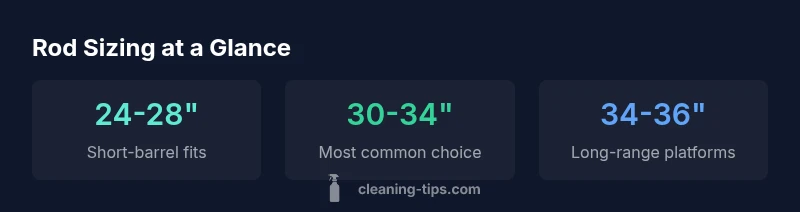
The standard cleaning rod length for a 6.5 Creedmoor rifle typically falls in the 24-36 inch range, with 30-34 inches offering the best balance of stiffness and reach for most bolt-action setups. For shorter barrels, use 24-28 inches; for longer rifles, 34-36 inches. Ensure the rod matches your bore diameter and threads (commonly 8-32 or 1/4-28).
Understanding the need for the correct cleaning rod size for the 6.5 Creedmoor
For shooters using the 6.5 Creedmoor, choosing what size cleaning rod for this caliber is not just about convenience—it affects how thoroughly you clean the bore and how safely you perform maintenance. The bore length and crown geometry of Creedmoor barrels demand a rod that can travel the full length of the barrel without binding or bending, while also allowing patches to pass smoothly. A rod that is too short may stop at the muzzle or halfway down the bore, leaving fouling behind and inviting corrosion or copper buildup. Conversely, a rod that is too long or too flexible can flutter or bend, potentially scraping the bore or introducing grit from the crown. In this guide, we focus on identifying the size that balances reach, stiffness, and control, so you can maintain accuracy and prolong barrel life. The keyword what size cleaning rod for 6.5 creedmoor should guide your decision, not guesswork or hearsay. By the end, you’ll have a clear rule of thumb you can apply at the range.
How length interacts with barrel geometry and typical rifle configurations
The 6.5 Creedmoor exists in a wide range of rifles—from compact bolt-actions used for hunting to longer competition rigs. The rod length you select should accommodate the longest clean passes required by your barrel, while still giving you control over patches and adapters. In practice, most shooters use a mid-length rod in the 30-34 inch zone for standard bolt-action configurations, and a 24-28 inch rod for short-barrel or light-compact builds. For longer competition barrels or AR-style platforms, a 34-36 inch rod often provides a comfortable balance between reach and rigidity. Remember that the goal is to maintain straight-line contact along the bore with minimal wobble, so your length choice should minimize flex while remaining practical for your toolkit and benching setup. If you’re unsure, test a few lengths with a dry-run by marking a rod at the chamber face and muzzle to visualize travel.
Material choices: stainless steel, carbon fiber, and nylon rods
Rods come in several materials, each offering trade-offs for rigidity, durability, and corrosion resistance. Stainless steel rods are inexpensive and stiff, which helps push patches cleanly through the bore but can rust if not properly dried after use. Carbon fiber rods are lighter and more rigid, resist bending, and tolerate rugged field use, but they cost more and may require dedicated accessories. Nylon and polymer rods are gentler on the bore and less likely to damage crowns, yet they can flex more and might not be ideal for pushing through stubborn fouling. For the 6.5 Creedmoor, a hybrid approach often works well: a steel or carbon-fiber rod with a quality non-marring tip or a pass-through handle, paired with appropriate brushes and jags. The take-away: choose a rod size that remains straight under light resistance and matches your patch size and bore diameter. The Cleaning Tips team notes that material choice should align with maintenance frequency and storage conditions.
How to determine your rod length: a practical method
A practical method starts with the bore length and your patching cadence. Step 1: measure from the bolt face (or breech) to the muzzle to estimate the maximum travel distance. Step 2: assess your kit’s adapters and patch sizes; you want enough room to pass a patch without bending. Step 3: consider the cadence of cleaning you perform—do you clean in one long pass or do you do multiple shorter cycles? Step 4: pick a length that comfortably covers the bore length on a straight line, typically resulting in options in the 24-36 inch range for Creedmoor barrels. Step 5: verify thread compatibility (8-32 and 1/4-28 are common) and ensure the rod will seat correctly in the thread and seat. Finally, test the rod with dry passes through a dummy bore to observe any binding. The aim: capture the entire bore in a single, controlled movement with minimal wobble.
How to pair with brushes, jags, and patches
Your cleaning rod is only as good as the attachments you use. For the 6.5 Creedmoor bore, patches should be sized to fit the bore diameter (roughly 0.264 inches) and the rod should accommodate standard patches (often pre-cut cotton or synthetic). Use bronze or nylon bore brushes designed for centerfire rifle calibers; ensure they are compatible with solvent types you use. Jags generally come in 8-32 or 1/4-28 thread configurations; confirm your rod’s thread and your patch tool’s compatibility. For patch-through cleaning, consider a pass-through adapter that allows you to push patches through the crown without snagging on the muzzle. Avoid over-tight patches that resist forward motion, and never force a patch through if you feel resistance. The goal is to maintain the bore’s uniformity, not to stretch or tear patches that can leave fibers inside the chamber or barrel.
Safety and technique: using a rod in a safe direction
Always use a controlled, straight push from the chamber toward the muzzle, never the reverse. A rod can be bent by tight corners, rapid friction, or forcing patches; bent rods can score the bore or cause the crown to contact debris. Keep your work area clean, and use a bench block or padded mat to prevent the rod from striking hard surfaces. When not in use, wipe components dry and inspect for nicks or burrs. If you notice rust or wear, replace the rod. If you’re dealing with copper fouling, switch to a rod with stronger cleaning power and avoid metal-to-metal contact that could gouge the bore. In all cases, follow solvent manufacturer guidelines and never mix cleaners with incompatible metal tools. For added safety, wear eye protection and ensure others are clear of the workspace during cleaning.
Maintenance and storage of cleaning rods
After cleaning, dry all components completely to prevent corrosion. Lightly oil or protect steel surfaces to deter rust, and store rods in a dry, climate-controlled environment. If you use carbon-fiber rods, avoid prolonged exposure to high heat or chemical solvents that can degrade resins. Inspect rods for cracks or burrs before each use and retire any rod with visible damage. Use proper storage racks or tubes that keep rods straight and unbent; a bent rod is a hazard and reduces cleaning effectiveness. Regularly inspect patches and brushes for wear and replace worn components. The opposite of cleaning is neglect; a well-kept rod lasts far longer and reduces the risk of introducing debris into the bore.
Budgeting and buying guide: selecting a rod and kit components
When budgeting, consider whether you want a simple rod and patch system or a full cleaning kit with brushes, jags, patches, solvent, and lube. For the 6.5 Creedmoor, look for a rod long enough to traverse the full bore with a comfortable handle, along with adapters and thread compatibility. Read reviews to confirm straightness and durability; look for anti-corrosion features and non-marring tips designed for rifles. Check if the kit includes a bore guide, which helps prevent cross-contamination during cleaning. If you don’t plan to shoot often or you maintain multiple calibers, you may want a modular kit with interchangeable tips and patch sizes. The goal is efficiency, not expensive vanity—choose a reliable kit that minimizes friction during cleaning and storage.
Quick-reference sizing guide for 6.5 Creedmoor shooters
- For compact or short-barrel builds, aim for 24-28 inch rods.
- For standard bolt-action configurations, a 30-34 inch rod is ideal.
- For longer competition barrels and AR-style platforms, consider 34-36 inch rods.
- Always verify thread compatibility (8-32 or 1/4-28) and patch size fit.
- If in doubt, test a couple of lengths with a dry run and choose the rod that travels straight with minimal wobble.
- Maintain a habit of drying and inspecting your rod after each cleaning session.
- The overarching rule: your rod length should let you clean the bore completely in a straight-line pass.
Cleaning rod sizing guide for 6.5 Creedmoor
| Item | Recommended Length | Notes |
|---|---|---|
| Rifle cleaning rod (6.5 Creedmoor) | 24-36 inches | Best balance of reach and stiffness |
| Patch and brush attachments | N/A | Choose size to fit 0.264 in bore and 8-32/1/4-28 threads |
Questions & Answers
What size cleaning rod for 6.5 creedmoor should I buy first?
Start with a mid-length rod around 30 inches. This length covers most Creedmoor barrels and pairs well with standard patches. If your rifle has a notably short or long barrel, adjust accordingly.
Begin with a 30-inch rod; adjust for your barrel length as needed.
Can I use a universal cleaning rod for multiple calibers including 6.5 creedmoor?
A universal rod can work, but you should confirm thread type and bore diameter. For best results, use caliber-specific rods or versatile rods with adapters.
Yes, but check compatibility with calibers and tools you use.
What is the bore diameter of the 6.5 creedmoor?
The 6.5 Creedmoor bore is commonly around .264 inches. Use patches sized for that bore and ensure your attachments fit the rod threads.
About .264 inches bore diameter; pick patches accordingly.
Is a carbon fiber rod better than stainless steel for long-term use?
Carbon fiber rods are lighter and stiffer, resisting bending, which helps with longer cleaning runs. Stainless rods are affordable and durable but can rust if not dried properly.
Carbon fiber is stiffer and lighter, but both work with proper maintenance.
Do I need a bore guide or patch holder?
A bore guide helps prevent cross-contamination between passes and supports straight cleaning. Patch holders keep patches aligned and reduce snagging.
A bore guide and patch holder can improve consistency and safety.
How often should I replace a cleaning rod?
Replace any rod that shows bend, burrs, cracks, or rust. Regularly inspect for signs of wear, especially after heavy cleaning sessions.
Replace if bent or damaged; inspect regularly.
“A properly sized cleaning rod reduces resistance and protects the bore during maintenance.”
The Essentials
- Choose rod length to cover the bore in a straight pass
- Prefer stainless steel or carbon fiber for longevity
- Verify thread size and patch compatibility before cleaning
- Use appropriate brushes and jags to avoid bore damage
- Dry and inspect your rod after each cleaning session