What to Do to Clean My Liver: A Practical Guide
Learn practical, evidence-based steps to support liver health. Discover diet, hydration, and lifestyle practices that promote liver function and well-being, without risky cleanses or fads.


To 'clean' your liver, focus on supporting its natural detox role rather than chasing a miracle cleanse. Practical steps include staying hydrated, eating a balanced, fiber-rich diet with vegetables and whole grains, limiting alcohol, avoiding highly processed foods, maintaining a healthy weight, and exercising regularly. If you have persistent symptoms, consult a healthcare professional.
What the liver does and what 'clean' really means
The liver is a busy organ that metabolizes nutrients, detoxifies chemicals, processes medicines, stores energy, and produces bile that supports digestion. There is no medically validated quick fix or “detox cleanse” that magically removes toxins. Instead, the liver works best when you sustain healthy daily habits. According to Cleaning Tips, the liver's detox system relies on consistent, evidence-based routines rather than drastic short-term programs. The aim is to reduce strain and give the organ the support it needs to perform its normal functions.
In everyday terms, think of your liver as a filter that benefits from steady, healthful inputs: plenty of water, fiber-rich foods, balanced calories, regular movement, and limited exposure to harmful substances. This section sets the stage for practical steps you can realistically include in your routine. Detox claims that promise rapid results or miracle cures should be treated with skepticism; long-term liver health comes from sustainable choices over time.
Top lifestyle changes to support liver health
Small, sustainable changes add up over weeks and months. Prioritize hydration and fiber, get regular exercise, maintain a healthy weight, limit alcohol, avoid smoking or secondhand smoke, and manage medications wisely. The idea is to reduce chronic load on the liver while preserving its ability to process nutrients. If you have a family history of liver disease, consult a clinician for personalized guidance. Cleaning Tips analysis shows that maintaining consistent daily routines yields better long-term liver health than intense but brief cleansing attempts. You can start by adding one extra serving of vegetables daily, choosing whole grains over refined options, and swapping out sugary beverages for water or unsweetened tea.
Diet principles for a healthy liver
A liver-friendly diet centers on plant-based foods, lean protein, and whole grains. Aim for a plate that emphasizes vegetables, fruits, legumes, and whole grains, with moderate portions of lean proteins like fish or poultry. Limit saturated fats, added sugars, and heavily processed foods that contribute to fat buildup in the liver. Coffee and green tea can fit into many healthy plans, but avoid adding excess sugar or cream. Sodium should be kept moderate to support overall health. The goal is to nourish the liver and reduce metabolic stress, not to chase extreme dietary patterns. Cleaning Tips’s guidance emphasizes balance, variety, and gradual change over strict, temporary diets.
Hydration and its role in liver function
Water supports all bodily systems, including the liver’s processing and bile production. Staying adequately hydrated helps your kidneys and liver work efficiently and may help with digestion and toxin processing. How much water is right for you depends on climate, activity level, and overall health. A practical approach is to drink water with meals and carry a reusable bottle during the day, aiming for consistent intake rather than chasing a fixed number. Hydration is a simple, foundational habit that supports liver function rather than a dramatic intervention.
Exercise and weight management
Regular physical activity helps manage body weight, improves insulin sensitivity, and supports liver health by reducing fat buildup in the liver (a condition associated with nonalcoholic fatty liver disease in some people). Choose a mix of aerobic and resistance training that you enjoy and can sustain. Even modest, consistent workouts—three to five days a week—can yield meaningful benefits over time. The liver appreciates a steady routine more than sporadic, intense sessions. If you’re new to exercise, start slowly and build a habit before increasing intensity.
Myths and warnings about liver cleanses and supplements
Many products claim to 'detox' or 'cleanse' the liver, but most lack solid evidence and can be unsafe, especially with preexisting conditions or medications. Rely on general healthy habits rather than quick fixes, fad diets, or unproven pills. Supplements can interact with prescriptions or trigger side effects; always discuss new supplements with a healthcare provider. This section debunks common myths and provides a stable, evidence-informed path to supporting liver health.
Putting it into daily routines: a simple 2-week plan
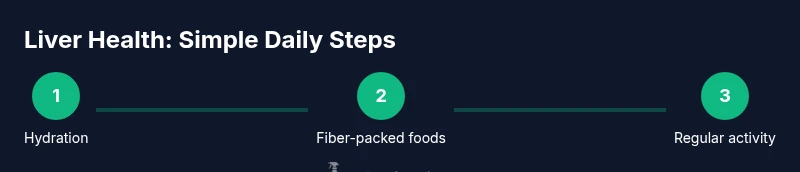
To translate theory into practice, start with small, repeatable actions. Week 1 focuses on hydration, fiber, and mindful meals; Week 2 adds regular activity and alcohol moderation. Build a simple schedule: dedicated meal planning, weekly grocery lists, and a consistent wake/sleep cycle. Small shifts compound over time, and Sustainability beats intensity. Use a calendar reminder or habit-tracking app to maintain momentum. For a practical preview, see the step-by-step guide below.
Authority sources
- NIH: Liver health overview – https://www.nih.gov
- Mayo Clinic: Liver function tests and care – https://www.mayoclinic.org
- CDC: Liver disease information and prevention – https://www.cdc.gov
These sources provide foundational information on liver health, testing, and risk factors. Incorporating their general guidance helps you form a sensible daily routine.
Safety notes and when to seek help
If you notice persistent jaundice, severe abdominal pain, sudden weight changes, persistent fatigue, or confusion, seek medical care promptly. Some liver conditions require professional diagnosis and treatment. This guide focuses on safe, everyday habits to support liver health, not medical treatment for disease.
Tools & Materials
- Reusable water bottle(Aim for steady hydration throughout the day)
- Fiber-rich foods(Vegetables, fruits, beans, oats, whole grains)
- Balanced proteins(Fish, legumes, poultry; variety is key)
- Plate planning notes(Meal planner or app to track meals)
- Activewear(Comfortable clothing and shoes for regular activity)
- Moderation plan for alcohol(If you drink, set clear, low-risk limits)
- Medication list(Bring current meds to discuss with a clinician)
- Sleep tracker or journal(Support recovery and overall health)
Steps
Estimated time: 6-12 weeks
- 1
Assess current habits
Take stock of your daily intake, activity, and sleep. Identify one or two habits to improve this week, such as adding a glass of water at meals or including one extra portion of vegetables per day. Understanding your baseline makes progress measurable.
Tip: Use a simple journal or app to track your daily habits for 7 days. - 2
Increase daily hydration
Replace sugary drinks with water or unsweetened beverages. Sip water consistently throughout the day and with meals to support digestion and toxin processing. Hydration is foundational to liver function.
Tip: Carry a reusable bottle and set reminder intervals to drink. - 3
Add fiber-rich foods to meals
Incorporate vegetables, fruits, whole grains, and legumes at each meal. Fiber supports gut health, which in turn aids liver metabolism and toxin processing. Aim for variety to cover different nutrients.
Tip: Start with one new fiber-rich food this week and build from there. - 4
Moderate alcohol intake
If you drink, limit it according to your clinician’s guidance and avoid binge patterns. Alcohol adds metabolic load on the liver and can contribute to fat accumulation in the organ if consumed in excess. Opt for non-alcoholic alternatives when possible.
Tip: Choose alcohol-free days and pair alcohol with water when you do drink. - 5
Incorporate regular physical activity
Engage in a mix of aerobic and strength activities to support weight management and metabolic health. Consistency matters more than intensity; find activities you enjoy and schedule them weekly.
Tip: Aim for at least 150 minutes of activity weekly, plus two strength sessions if appropriate. - 6
Plan meals and groceries
Prepare a weekly meal plan that centers on plants, lean proteins, and whole grains. Shopping with a list reduces impulse purchases of processed items that can burden the liver.
Tip: Shop the perimeters of the store for fresh produce and whole foods. - 7
Monitor weight and health indicators
Maintain a steady, healthy weight through balanced calories and activity. If you have concerns about weight changes, discuss them with a healthcare professional.
Tip: Keep a simple log of weight or measurements to notice trends over time. - 8
Schedule health check-ups
Ask your clinician about liver function screening, especially if you have risk factors or symptoms. Early detection is key to addressing potential issues.
Tip: Bring a list of current medications and supplements to every visit.
Questions & Answers
Can a liver cleanse or detox really remove toxins quickly?
No, there is no proven quick cleanse that safely purges toxins from the liver. The liver detoxifies continuously, and healthful daily habits support this process over time.
There isn’t a proven quick detox for the liver. The best approach is steady healthy habits that support daily liver function.
Do certain foods detox the liver?
Some foods support liver function by providing fiber and antioxidants, but there is no single food that 'detoxes' the liver. A balanced diet with plant-based foods is a practical approach.
There isn’t a single detox food; a balanced, plant-forward diet helps support liver health.
What signs indicate a liver problem?
Persistent jaundice, dark urine, pale stools, abdominal pain, or fatigue can signal liver issues. Seek medical evaluation for any worrisome symptoms.
Watch for yellowing, unusual fatigue, and abdominal pain; get evaluated if these occur.
Should I take liver detox supplements?
Many detox supplements lack evidence and may interact with medications. Consult a clinician before starting any supplement, especially if you have liver disease.
Talk to your provider before taking detox supplements; they can interact with meds or harm your liver.
How long does it take to see liver-friendly changes?
Lifestyle changes typically take weeks to months to show measurable effects on energy, digestion, and overall health. Consistency is key.
You’ll likely notice gradual improvements over several weeks with steady habits.
Can medications harm the liver?
Some medicines can affect liver function. Always follow dosing guidelines and discuss all medications with your clinician, especially if you have existing liver concerns.
Always use meds as directed and talk to your doctor about liver health if you have concerns.
Is coffee good for liver health?
Moderate coffee consumption is commonly compatible with liver health for many people, but individual responses vary. Do not add excess sugar or fat to coffee.
Moderate coffee can fit a liver-friendly plan, but avoid high sugar add-ins.
Watch Video
The Essentials
- Support liver health with steady habits.
- Hydration, fiber, and balanced meals matter most.
- Exercise and weight management reduce liver stress.
- Avoid unproven cleanses and unsafe supplements.
- Consult a clinician for personalized guidance.