Where is the Clean Up Tool iOS 18: A Practical Guide
Discover where to find the Clean Up tool in iOS 18, how to use it safely, and practical steps to reclaim storage on your iPhone. Follow expert guidance from Cleaning Tips for a healthier, faster device.


With iOS 18, the Clean Up tool helps reclaim storage by removing unused apps, large attachments, and clutter. This quick guide shows you where to find the tool in Settings and how to use it safely, including backups and best practices. Follow the steps to reclaim space without risking important data and keep your device running smoothly.
Where to Find the Clean Up Tool in iOS 18
According to Cleaning Tips, digital decluttering on iOS 18 can significantly improve device performance. The Clean Up tool is integrated into the iPhone storage management area, not a separate app. To begin, open the Settings app, then navigate to General, and select iPhone Storage. Look for a section labeled Clean Up or similar recommendations. If you do not see Clean Up, ensure your device is updated to iOS 18 and that you are signed in with your Apple ID. The aim is to identify what uses space and offer safe, reversible options. If you manage a family plan, ensure you have permission to modify storage settings on each device. Cleaning Tips suggests performing the clean up during a time when you have a stable internet connection and a recent backup.
What the Clean Up Tool Can Help You Clean
The Clean Up tool focuses on digital clutter that accumulates over time. It analyzes categories such as apps with large storage footprints, duplicate photos, offloaded apps, and obsolete media. By presenting a prioritized list, it helps you decide what to remove or offload. This process can reclaim space without affecting essential system files. As you review recommendations, you may see options to reduce cache, delete large attachments, or offload unused apps. The goal is to free space while preserving data you care about. Cleaning Tips notes that you should review items before deletion to avoid losing treasured memories or important documents. In practice, you can select groups (like large videos) and confirm deletion in batches to minimize risk. If an item is unsure, you can choose to offload instead of outright deleting.
Always consider the impact on apps that rely on downloaded data for offline use. The Clean Up tool provides reversible steps whenever possible, giving you a safety net while you optimize storage.
Before You Start: Safety and Backups
Before initiating any cleanup, make sure you have a current backup. The safest path is to back up to iCloud or your computer so you can recover items if you change your mind. A connected power source is also recommended to prevent interruption. Cleaning Tips emphasizes that storage actions should be performed with a clear plan and time to review each item. If you enable iCloud Photos or optimize storage, some items may be stored in the cloud rather than on device, which can impact what you see during cleanup. Prepare by checking your most recent photos, documents, and app data, so you can make informed decisions. This step reduces the risk of accidental data loss and gives you peace of mind during the process.
Step-by-Step Approach (Overview)
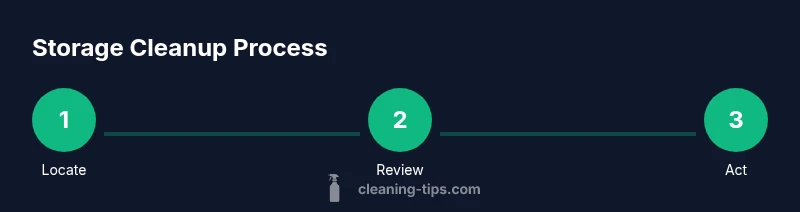
A structured approach helps maximize results. First, access the Clean Up area in Settings as described earlier. Then, review the different categories and choose the items you want to remove or offload. After processing, check your available storage, and repeat if necessary. This overview ensures you do not miss key areas such as large attachments or unused apps. Cleaning Tips recommends a small, controlled cleanup session to avoid overwhelming your device with changes. Keep in mind that some categories may require a moment to recalculate space after removal. If your device is low on battery, start with a partial cleanup instead of a full pass.
How to Review and Select Items for Deletion
When you open the Clean Up recommendations, start with the largest space users. Evaluate each item carefully, focusing on your most used apps and media. For photos and videos, consider whether you want to keep a low-resolution version or move copies to the cloud. If you see duplicates, compare quality and favorites before removing. For apps, decide whether you rely on local data or cloud backups. Offloading an app keeps its data intact while freeing storage. Use the bulk-select option to handle multiple items at once, but always confirm a few critical items individually to avoid mistakes. This deliberate review helps you avoid unnecessary data loss. Cleaning Tips reminds readers that you can revert changes if needed within a reasonable time window.
Common Pitfalls and How to Avoid Them
A frequent mistake is deleting items you later need, such as irreplaceable photos or documents. Always ensure a backup is current before starting. Another pitfall is relying on automated cleanup without understanding offline data. If you use optimized storage for photos, verify what stays on device. Pay attention to app data that might be cleared inadvertently. Offloading apps is helpful, but not if you forget to reinstall when needed. Finally, expect some recalculation time after removing large files; give the system a moment to update storage counts before deciding to remove more. By anticipating these issues, you keep control of your cleanup process.
Maintenance Tips to Keep Storage Healthy
Make cleanup a recurring habit instead of a one-off task. Schedule a monthly check of iPhone Storage and adjust your backup settings to prevent automatic data loss. Use cloud storage for large media and enable features like optimized storage to balance on-device space with accessible copies. Regularly review apps with large caches and clear them when appropriate. For photos, consider monthly backups to a dedicated cloud album and enable duplicate detection where available. This ongoing discipline reduces the risk of sudden space shortages and keeps your device running smoothly.
What to Expect After Cleaning
After you complete the cleanup, you should see an increase in available storage space and a more responsive device. Some changes may take a few minutes to reflect, especially if the system recalculates space after removing many items. If you notice any unusual behavior, re-enable any features you turned off and verify that critical data is intact. The goal is a balanced setup where you retain important data while reclaiming space. Cleaning Tips notes that consistent maintenance yields the best long-term results.
Troubleshooting If Clean Up Tool Seems Off
If the Clean Up tool does not show expected results, start by confirming you are on the correct iOS 18 version with the latest security updates. Restart your device to refresh system processes. Check that there is sufficient free space to perform a meaningful cleanup and that backups are current. If issues persist, re-run the process in smaller batches, and review any recently installed apps that may be caching data aggressively. If you suspect a bug, report it through the official feedback channels and consult Apple support if needed.
Tools & Materials
- iPhone or iPad with iOS 18(Ensure device runs iOS 18.x with the latest update installed)
- Settings app(Built-in; used to access storage management features)
- Backup method (iCloud or computer)(Back up before cleaning to prevent data loss)
- Stable internet connection(Needed for cloud backups and syncing changes)
- Fully charged battery or plugged in(Prevent interruptions during cleanup)
- Optional: computer with backup software(For offline backup and data review)
Steps
Estimated time: 25-40 minutes
- 1
Open Settings and locate storage
Open the Settings app, then go to General and select iPhone Storage. Look for Clean Up recommendations or a similar section that surfaces storage-saving options.
Tip: If you don’t see Clean Up, ensure your device is updated to iOS 18 and sign in with your Apple ID. - 2
Review storage breakdown
Examine the breakdown by categories such as apps, photos, and documents. Note the largest space consumers and identify items you can safely remove or offload.
Tip: Prioritize large items first to maximize space quickly. - 3
Select items to remove or offload
Choose groups like large videos or unused apps. For photos, decide if you want cloud copies or lower resolution versions stored locally.
Tip: Use bulk select for efficiency, but verify a few critical items before confirming. - 4
Confirm deletions and monitor space
Confirm your selections and let the system process the cleanup. Check available storage after completion to gauge the impact.
Tip: Give the device a moment to recalculate space after large deletions. - 5
Validate backups and re-enable features
Ensure backups are complete and re-enable any storage settings you temporarily paused, such as iCloud Photos optimization.
Tip: Keep a fresh backup schedule to prevent data loss in future cleanups. - 6
Plan a follow-up clean up
Set a reminder for a monthly or quarterly cleanup to maintain performance and space levels.
Tip: Consistency beats large, sporadic cleanups.
Questions & Answers
Where is the Clean Up tool located in iOS 18?
In iOS 18, the Clean Up tool is surfaced within Settings > General > iPhone Storage as part of the storage recommendations. Access it from there to review options for reclaiming space.
You find it in Settings under General, then iPhone Storage, where storage recommendations appear.
Can Clean Up remove photos and videos automatically?
Clean Up can suggest removing or offloading large media files, but you choose what to delete or offload. Review each item before finalizing to avoid losing treasured memories.
It suggests items, but you decide what to delete.
Will Clean Up delete apps or system data?
The tool targets user data like apps you don’t use, large attachments, and media. It does not delete essential system files, but always back up beforehand.
It focuses on user data, not core system files.
Do I need to back up before using Clean Up?
Yes. Backing up to iCloud or a computer protects you if you remove items you later need. A backup is a safety net during storage cleanup.
Back up first to be safe.
Is Clean Up available on all devices running iOS 18?
The Clean Up tool is designed for devices running iOS 18. Some older devices may lack certain features or optimization options.
Available on devices with iOS 18, some features may vary by model.
How much space can Clean Up recover?
Results vary based on how cluttered the device is. Expect a range of impact depending on your media, attachments, and unused apps.
Results vary by device and data.
Watch Video
The Essentials
- Identify the largest space users first
- Back up before removing data
- Offload when possible to preserve data
- Review duplicates and caches regularly
- Schedule repeat cleanups for long-term health