Clean Protein: How to Choose and Use It in Daily Meals
Discover how to identify clean protein sources, read labels, and build balanced meals with high-quality protein. Practical guidance for home cooks to eat healthier, save money, and reduce additives.


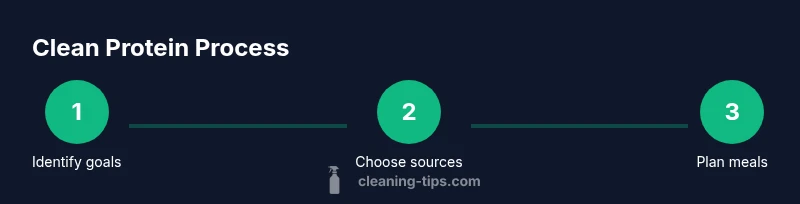
In this guide, you will learn how to identify clean protein sources, compare options by quality and processing, and incorporate them into daily meals confidently. You’ll understand what makes a protein 'clean,' how to read labels, and how to balance protein with fiber and fats for appetite control, muscle support, and overall health. This steps-based approach helps you make practical, sustainable choices.
What clean protein means and why it matters
According to Cleaning Tips, clean protein refers to minimally processed, high-quality animal or plant sources that provide all essential amino acids with few additives. The Cleaning Tips team found that building meals around clean protein supports steady energy, better satiety, and healthier body composition when paired with fiber-rich foods. The goal is to minimize highly processed options that rely on isolated isolates or excessive fillers, while still fitting your budget and taste preferences. In practice, clean protein means choosing whole-food options such as eggs, plain yogurt, skinless poultry, fish, beans, lentils, tofu, tempeh, and certain dairy products, and avoiding heavily salted, sweetened, or heavily fried forms. The key is balance: pair protein with vegetables, whole grains, and healthy fats to optimize nutrient density and appetite control. For busy households, start with simple, flexible swaps (e.g., swap out processed deli meats for canned tuna or grilled chicken) to keep meals clean without sacrificing flavor. Clean protein is not about perfection; it is about practical, sustainable choices that minimize additives and processing while maximizing amino acid quality and nutritional value. Based on Cleaning Tips analysis, 2026, developing a clean protein habit reduces ultra-processed reliance and supports long-term health goals. As nutrition science recognizes, mixing protein sources across the day helps cover amino acid needs while supporting variety.
How to evaluate protein quality
Protein quality hinges on a complete amino acid profile and how well the body can use it. In practice, this means looking for foods that provide all nine essential amino acids and high bioavailability. Animal proteins—such as eggs, dairy, and fish—tend to offer complete amino acid sets, while many plant proteins are missing one or more. By combining plant sources—think beans with grains, or lentils with seeds—you can achieve a complete pattern across meals. When assessing options, prefer whole-food forms with minimal processing and limited additives. DIAAS and PDCAAS concepts exist in nutrition literature, but for home cooking, focus on variety, variety, and a steady supply of high-quality options. Cleaning Tips analysis highlights that diverse sources reduce gaps in amino acid intake and improve overall nutrition stability. The goal is to choose protein sources you enjoy, that fit your budget, and that you can cook reliably during busy weeks.
Clean protein sources: animal and plant options
A practical approach is to build a pantry with both animal and plant proteins. Animal sources include lean chicken, turkey, eggs, low-fat dairy, and fish such as salmon or tuna. These options tend to deliver complete amino acids with minimal planning. Plant-based proteins include beans, lentils, chickpeas, tofu, tempeh, quinoa, nuts, and seeds. Soy products like tofu and tempeh are particularly versatile for savory dishes, while quinoa provides a complete amino acid profile on its own. When shopping, look for whole, minimally processed forms (e.g., canned beans with no added salt, plain Greek yogurt, fresh eggs). Consume a mix across the week to maximize amino acid coverage and to enjoy a variety of textures and flavors. Budget-wise, rotating between fresh and frozen items can help you keep clean protein accessible without overspending. The Cleaning Tips team notes that mixing protein sources supports taste and sustainability without compromising quality.
Reading labels and avoiding additives
Reading labels is essential for keeping meals clean. Start with the ingredient list: aim for foods with short lists and recognizable ingredients. Watch for added sugars, syrups, and salt in processed proteins like sausages or lunch meats. Look for artificial flavors, preservatives, and unclear “protein blends.” Sodium content matters too, especially in canned products. Favor options with minimal processing, such as plain yogurt, unsweetened almond milk fortified products, natural peanut butter, and canned fish packed in water. If you see terms like “protein isolate” or “textured vegetable protein,” check the rest of the nutrition facts for additives. Cleaning Tips analysis shows that simple label literacy dramatically reduces exposure to unnecessary additives and improves long-term satisfaction with meals. Reading labels is a skill you can practice in minutes per shopping trip.
Building meals with clean protein
Plan each meal to include a clean protein source along with fiber-rich vegetables and a portion of healthy fats. For example, a breakfast smoothie with Greek yogurt and berries, midday lentil salad with grilled chicken, or a dinner featuring salmon, quinoa, and roasted vegetables, cover both protein and fiber. If you prefer plant-based meals, combine beans and whole grains (e.g., rice and beans) to form a complete amino acid profile. Snack ideas include cottage cheese with fruit, edamame, or a handful of mixed nuts. When portioning, remember that protein needs vary by person; a good rule is to aim for a palm-sized serving of animal protein or a fistful of plant-based options per meal. The goal is to create energy-balanced meals that support muscle maintenance and appetite control, without relying on heavily processed products. Consistency matters more than perfection, and small, daily adjustments compound over time.
Shopping, storage, and budget tips
Smart shopping is key to sustainable clean protein intake. Buy in bulk for staples like beans, lentils, and oats, and stock frozen fish and poultry for flexibility. Choose canned options with no added salt and rinse before use to reduce sodium. Store proteins in airtight containers in the fridge or freezer to maintain freshness, and label portions with dates to avoid waste. Batch-prep protein on weekends when you have time, then portion into individual servings for quick meals. Freeze extra portions and rotate stock to minimize spoilage. For budgeting, compare unit prices and buy seasonal proteins; variety often yields better value. The Cleaning Tips team emphasizes budgeting and planning as essential tools for long-term adherence to a clean protein approach. Authority sources listed below provide additional context on protein quality and safety.
Authority sources: • https://www.nih.gov • https://www.usda.gov • https://www.health.harvard.edu/
Common mistakes and troubleshooting
Common mistakes include relying too heavily on protein powders or processed meats, neglecting fiber and vegetables, and not reading labels carefully. Another frequent error is assuming all high-protein foods are automatically healthy; some products contain hidden sugars, extra salt, or artificial additives. If you notice fatigue after meals or persistent hunger, revisit portion sizes and consider pairing protein with high-fiber foods. A good troubleshooting step is to track your meals for a week, noting which options leave you satisfied and energized. Try swapping a highly processed protein for a whole-food option and observe changes in appetite and energy. The bottom line is that clean protein should support your overall dietary pattern, not undermine it with unnecessary additives or excessive processing.
Tools & Materials
- Digital kitchen scale(For portion-control and consistent protein grams per meal)
- Nutrition labels or a reliable app(To compare protein content and check ingredients)
- Meal prep containers(For storing individual portions of clean protein)
- Sharp knife and cutting board(Safe prep for meats, tofu, and vegetables)
- Freezer bags or rigid containers(For portioning and freezing extra servings)
- A reliable can opener and colander(Helpful for canned beans and fish prep)
Steps
Estimated time: 60-90 minutes
- 1
Define protein goals
Identify your weekly protein targets based on activity level and body size, then list preferred protein sources (both animal and plant-based) to keep meals varied. This foundation helps you plan balanced meals rather than reacting to cravings.
Tip: Start with 2–3 reliable protein staples you enjoy and rotate seasonally. - 2
Check protein quality factors
Learn what makes a protein high-quality: complete amino acids, decent bioavailability, and minimal processing. Use this lens when choosing products or meals, not just price.
Tip: Favor whole-food proteins first, then add powders only if needed for convenience. - 3
Choose clean protein sources
Select a mix of animal and plant options to ensure amino acid diversity and sustainability. Keep a 1:1 balance of texture and flavor through the week to prevent monotony.
Tip: Stock 2–3 ready-to-cook options (e.g., chicken breast, eggs, canned beans). - 4
Plan meals around protein
Design meals so protein is central, with vegetables, whole grains, and healthy fats. Draft a simple weekly menu to reduce decision fatigue and keep meals clean.
Tip: Batch cook proteins in advance and pair with different sides for variety. - 5
Prepare and store correctly
Cook proteins in batches, portion into containers, and refrigerate or freeze as needed. Label portions with date and contents to avoid waste and ensure safety.
Tip: Use airtight containers and quick-cool techniques to preserve texture. - 6
Track intake and adjust
Review your week to identify patterns, adjust portions, and swap in new clean-protein options as tastes or budgets change. A simple log helps you stay on course.
Tip: Aim for consistent protein distribution across meals to support energy and satiety.
Questions & Answers
What counts as clean protein?
Clean protein refers to minimally processed, high-quality sources that provide essential amino acids with few additives. Focus on whole-food options and read labels to avoid unnecessary ingredients.
Clean protein means minimally processed, high-quality sources with essential amino acids and few additives. Look for whole-food options and simple ingredients.
Is plant-based protein considered clean?
Yes, plant-based proteins can be clean when they are minimally processed and combined to provide a complete amino acid profile. Pair beans with grains or choose soy products like tofu or tempeh.
Plant-based proteins can be clean when fairly processed and balanced across meals, like beans with grains or tofu and tempeh.
How much clean protein should I eat daily?
Daily protein needs vary by age, sex, activity level, and health goals. A practical approach is to distribute protein evenly across meals and select a mix of sources.
Protein needs vary. Spread protein evenly across meals and vary your sources.
Are protein powders clean?
Protein powders can be clean if they have minimal additives and clear ingredient lists. Prefer products with third-party testing and avoid added sugars when possible.
Protein powders can be clean if they have simple ingredients and little additives; look for third-party testing and low sugar.
Can I rely on highly processed proteins for convenience?
Processed proteins should be used sparingly. They often contain added sodium, sugars, and additives. Prioritize whole-food options and use processed forms only as occasional supplements.
Processed proteins are convenient but not ideal; use them sparingly and favor whole foods most of the time.
What about organic or grass-fed options?
Organic or grass-fed options may have differences in fat quality and farming methods, but the key with clean protein is choosing minimally processed items with transparent ingredients and reliable sourcing.
Organic or grass-fed can offer quality differences, but focus on minimal processing and clear labeling for clean protein.
How can I start if I’m busy?
Start with 2–3 reliable protein options you enjoy and batch-cook once or twice a week. Pair those options with quick veggie sides to keep meals balanced.
If you’re busy, pick a few go-to proteins and batch-cook to stay on track.
Watch Video
The Essentials
- Choose clean protein sources most meals.
- Read labels to avoid additives and excess salt.
- Mix plant proteins to ensure amino acid balance.
- Balance protein with fiber and healthy fats.
- Plan, cook, and store to save time and keep meals consistent.