Is Mr. Clean Good for Hardwood Floors? An Analytical Review
A thorough, evidence-based look at using Mr. Clean on hardwood floors, comparing pH, finishes, and safer alternatives. Learn best practices, potential risks, and practical tips from Cleaning Tips.


Is Mr. Clean good for hardwood floors? The short answer is that it is not specifically formulated for wood finishes and results vary by finish and sealer. While it can remove grime, it may leave dulling residues if used too frequently or at high concentrations. For most homes, pH-balanced wood cleaners or wood-specific products perform better and help preserve the finish longer.
Is MR Clean Good for Hardwood Floors? A Contextual Overview
According to Cleaning Tips, hardwood floors require products that respect the wood’s finish, sealant, and the underlying substrate. MR Clean is widely available as an all-purpose cleaner, but its formulation is not tailored to wood finishes. This means results can vary depending on the floor’s finish, whether it’s polyurethane, waxed, or oiled, and how frequently a cleaner is used. In practice, many homeowners notice a shine immediately after cleaning, but over time repeated use can dull or haze the surface, especially on glossy or vintage finishes. This is why we examine not just immediate cleaning power, but long-term effects on wood integrity, residue buildup, and the likelihood of requiring refinishing sooner than expected. Cleaning Tips analyses emphasize that user technique and product choice both play pivotal roles in maintaining wood floors, and this is especially true for popular all-purpose cleaners that lack targeted wood-safe chemistry.
Is MR Clean Good for Hardwood Floors? A Contextual Overview
According to Cleaning Tips, hardwood floors require products that respect the wood’s finish, sealant, and the underlying substrate. MR Clean is widely available as an all-purpose cleaner, but its formulation is not tailored to wood finishes. This means results can vary depending on the floor’s finish, whether it’s polyurethane, waxed, or oiled, and how frequently a cleaner is used. In practice, many homeowners notice a shine immediately after cleaning, but over time repeated use can dull or haze the surface, especially on glossy or vintage finishes. This is why we examine not just immediate cleaning power, but long-term effects on wood integrity, residue buildup, and the likelihood of requiring refinishing sooner than expected. Cleaning Tips analyses emphasize that user technique and product choice both play pivotal roles in maintaining wood floors, and this is especially true for popular all-purpose cleaners that lack targeted wood-safe chemistry.
Is MR Clean Good for Hardwood Floors? A Contextual Overview
For most households, the best practice is to pair a mild, wood-safe cleaner with a microfiber mop and a careful, dry-to-damp approach. If your floor manufacturer or finishing system recommends a specific cleaner, that guidance should take precedence. MR Clean can be acceptable for spot cleaning on sealed wood floors when used sparingly and with a light hand, but it should not replace a dedicated hardwood floor cleaner for routine maintenance. The key is to avoid saturating the surface, to rinse sparingly when the finish requires it, and to promptly dry the floor to prevent water damage. This approach aligns with Cleaning Tips’ emphasis on finish protection and residue control.
Is MR Clean Good for Hardwood Floors? A Contextual Overview
From a practical standpoint, many homeowners rotate between quick spot cleanups and deeper cleans. While MR Clean is convenient, the long-term implications—such as potential finish dulling or residue buildup—underscore the value of using products designed for wood. The balance between convenience and long-term floor health often tips in favor of wood-safe cleaners, particularly on high-traffic areas or floors with delicate finishes. For renters, this nuance becomes even more important, as frequent refinishing is not an option.
Is MR Clean Good for Hardwood Floors? A Contextual Overview
In summary, MR Clean is not inherently harmful in every situation, but it is not the optimal choice for routine hardwood floor care. The most consistent approach is to follow the floor’s finish guidelines, use a wood-safe cleaner, and employ proper cleaning technique to minimize risk to the finish. Our analysis at Cleaning Tips supports this cautious stance, especially for finishes that require specialized care.
Strengths
- Widely available and easy to find in most stores
- Affordable compared to some wood-specific cleaners
- Effective at removing surface grime on non-porous floors
- Good for quick spot cleaning when used sparingly
Weaknesses
- Not specifically formulated for wood finishes, risk of dulling over time
- Can leave streaks or residue if not rinsed or dried properly
- May interact with certain sealants or waxed surfaces, potentially affecting protection
- Frequent use on floors with sensitive finishes could shorten the finish’s lifespan
Not ideal for routine hardwood-floor care; wood-safe cleaners are preferable.
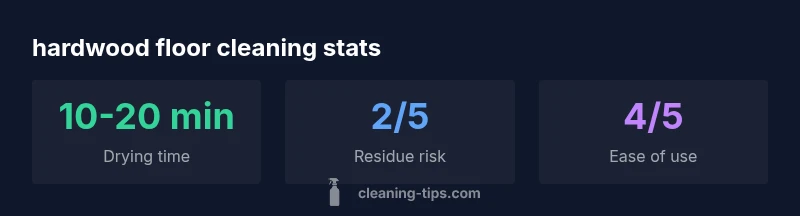
MR. Clean can work for quick spot cleaning on sealed floors, but it is not the best long-term solution for hardwood finishes. Wood-specific cleaners offer better finish protection and lower residue risk, which helps maintain luster and extend floor life.
Questions & Answers
Is MR. Clean safe for hardwood floors?
MR. Clean is not specifically formulated for wood finishes. It can be safe for spot cleaning if used sparingly and with a damp microfiber cloth, but regular use may dull finishes over time. Always follow floor finish guidelines and consider a wood-safe cleaner for routine care.
MR. Clean isn’t designed for wood finishes. Use it sparingly for spots and always follow your floor’s finish guidelines. A wood-safe cleaner is better for regular cleaning.
Will using MR. Clean void hardwood floor warranties?
Some warranties require adherence to the cleaner recommendations provided by the floor finish manufacturer. Using an all-purpose cleaner like MR. Clean could affect warranty coverage if the cleaner is not approved for the finish. Always verify with the manufacturer or installer.
Check your floor’s warranty terms; using unapproved cleaners can affect coverage. When in doubt, use the manufacturer-recommended product.
What should I use instead of MR. Clean for hardwood floors?
Opt for a pH-balanced wood-safe cleaner or a product specifically designed for hardwood floors. These formulas protect finishes, minimize residue, and are easier to rinse. Pair with a microfiber mop and follow the manufacturer’s dilution and application guidelines.
A wood-safe cleaner is usually best. Use a microfiber mop and follow the product directions for dilution and drying.
How should I apply cleaner to avoid damage?
Dampen the mop lightly—never saturate the floor. Work in small sections, rinse or wipe away any residue promptly, and dry the area with a clean cloth if needed. Avoid letting water pool on the surface, especially on unsealed or distressed finishes.
Dampen the mop, clean in sections, don’t soak, and dry any excess moisture right away.
Can MR. Clean be used on other floor types?
Yes, MR. Clean is versatile on many sealed, non-porous floor surfaces, but it is not a replacement for wood-specific products on hardwood. For vinyl, tile, or laminate you may find it effective, but always check the label for surface compatibility.
It can work on many surfaces, but for hardwood it’s best to stick with wood-safe cleaners.
Are there common mistakes when cleaning hardwood floors?
Common mistakes include using too much cleaner, saturating the floor, and not drying properly. Also, neglecting to follow finish-specific care guidelines can lead to dullness or damage. Use the right cleaner and technique to preserve the finish.
Don't use too much cleaner or leave the floor wet. Follow the finish guidelines and dry after cleaning.
The Essentials
- Use wood-safe cleaners for routine maintenance
- Avoid saturating floors to prevent water damage
- Follow manufacturer guidance for your floor finish
- Reserve all-purpose cleaners for spot cleaning
- Check for finish compatibility before cleaning