Choosing Clean Diaper Brands: A Practical Guide
Discover how to assess clean diaper brands with transparent ingredients, safety certifications, and eco-friendly packaging. Learn to balance skin safety, absorbency, and sustainability for healthier baby care.


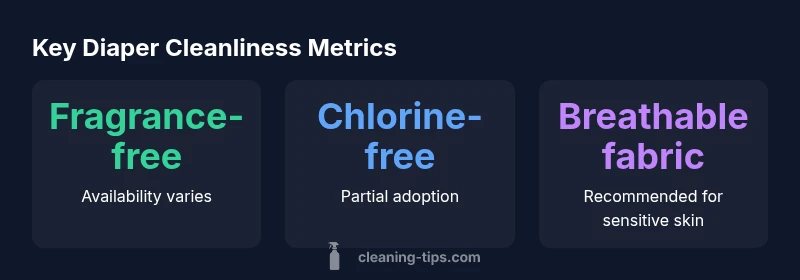
There isn’t a universal ‘clean’ diaper label. In practice, look for brands that emphasize natural, fragrance-free materials, chlorine-free bleaching, and breathable fabrics. Certifications like safety and hypoallergenic claims, plus transparent ingredient lists, help separate genuinely cleaner options from marketing. For most families, the best choice balances skin sensitivity, environmental impact, and reliable absorbency, rather than chasing a single ‘clean’ credential.
Why clean diaper brands matter
According to Cleaning Tips, parents of newborns and toddlers are often overwhelmed by marketing claims around “clean” diapers. The core question is not whether a diaper is named clean, but what ingredients are used, how products are processed, and whether claims align with independent testing. For many families, the right choice reduces skin irritation risks while maintaining strong absorbency. Clean diaper brands also address environmental considerations, like how the product is made and how packaging is recycled. The combination of skin-safety and sustainability becomes a practical framework for everyday decisions, especially for babies with sensitive skin or eczema.
What makes a diaper 'clean'?
A diaper earns the label 'clean' when it minimizes irritants without sacrificing performance. Key factors include fragrance-free formulations, chlorine-free bleaching, and absence of harsh dyes. Transparent ingredient lists allow caregivers to verify items such as lotions, adhesives, and backsheet materials. Beyond ingredients, clean diaper brands often demonstrate responsible manufacturing practices and clear safety promises. In practice, the concept of 'clean' is a spectrum rather than a single checkbox, and it should be evaluated against your baby's sensitivities and family values.
Common ingredients to watch out for
When reviewing diaper ingredients, many families prioritize items that reduce contact with potential irritants. Avoid fragrances, //harsh dyes, and certain drying agents that can linger on the skin. Look for backsheet and outer layer materials described as breathable and moisture-permeable, which can help minimize heat and redness. Some brands also offer barrier-like protective components intended to reduce friction during movement. While not every diaper needs hypoallergenic formulas, those with sensitive skin tend to benefit from fragrance-free and dye-free options.
How to read ingredient lists effectively
Start with the product packaging and any online ingredient disclosures. Create a simple checklist: fragrance-free, dye-free, chlorine-free bleaching, and breathable fabrics. If a brand lists numerous chemical names without context, seek a more transparent option or contact customer support for explanations. Compare across brands by writing down which items appear on the lists and which do not. A quick side-by-side review helps reveal patterns and reduces reliance on marketing hype. Remember to consider the baby’s comfort and the diaper’s fit alongside ingredients.
Certifications and third-party testing to look for
Independent verification can strengthen trust in a diaper brand. Look for generic safety attestations or hypoallergenic testing language on packaging or the company website. Certifications should clarify what was tested (allergenicity, skin irritation, or chemical exposure) and under what standards. If a claim sounds vague, reach out to the company for documentation. In many cases, reputable brands provide test summaries or links to third-party reports, which can be especially helpful for first-time parents navigating the market.
Environmental considerations and packaging
Eco-conscious families often weigh the lifecycle of a diaper, from material sourcing to packaging. Consider whether the diaper uses chlorine-free processing, sustainable backsheet materials, and recyclable or compostable packaging where available. Packaging claims can be telling: some brands emphasize reduced plastic, smaller box footprints, or refilled systems. Remember that environmental impact can depend on disposal methods in your region; always check local recycling rules and composting options for diaper components when available.
Practical buying strategies (how to test at home)
When possible, order trial packs to evaluate fit, comfort, and skin response. Keep a simple log for the first week: skin observations, how often you change diapers, and any signs of irritation. If redness appears within 24-48 hours of use, switch to a different brand or formula and recheck. A patch test, while not a medical substitute, can help identify irritants early. Note that some babies tolerate certain textures or tapes differently, so small samples can prevent unnecessary waste and cost.
Evaluating brand transparency and customer feedback
Trust is built when brands openly share ingredient lists, testing results, and return policies. Read user reviews with a discerning eye for mentions of irritation, leakage, and fit. Consider brands that publish clear contact information and responsive customer service. Transparent sizing guides and availability of trial options also reflect a customer-centric approach. The combination of data transparency and post-purchase support should weigh heavily in your decision.
A framework for choosing the right diaper for your baby
2-3 practical steps help families make headway: (1) List non-negotiables (fragrance-free, chlorine-free, breathable). (2) Gather test samples and track baby comfort, rash occurrences, and leak frequency for 1-2 weeks. (3) Compare brands using a simple rubric that emphasizes transparency and skin safety over marketing language. With this approach, you can extend beyond a single ‘clean’ credential and tailor choices to your baby’s needs and your household values.
Key factors to evaluate when choosing clean diaper brands
| Aspect | What to Look For | Rationale |
|---|---|---|
| Fragrance-free | Check for unscented labeling | Reduces potential irritants on sensitive skin |
| Chlorine-free bleaching | Verify chlorine-free processing | Minimizes harsh chemical exposure |
| Breathable fabrics | Inspect outer/back layers | Supports skin comfort and moisture management |
Questions & Answers
What defines a 'clean' diaper?
There is no universal standard for a 'clean' diaper. Look for fragrance-free, chlorine-free, and transparent ingredient lists, plus any independent testing or safety certifications the brand can share.
There isn't a universal standard for a clean diaper. Focus on fragrance-free, chlorine-free options and transparent ingredient lists.
Are organic diapers automatically cleaner?
Organic certifications often relate to farming methods rather than finished-product safety alone. Read labels for ingredients and testing details to determine if a product meets your standards.
Organic farming methods don't automatically mean the diaper is safer for the skin; always check ingredients and testing data.
How can I test for skin irritation at home?
Patch-test a small area on the baby’s skin with the diaper for 24-48 hours, watching for redness or itching. If irritation occurs, switch brands or formats and consult a pediatrician if needed.
Patch-test a small area for 24-48 hours and look for redness. If irritated, try another brand.
What certifications should I trust?
Look for clear statements about safety testing and hypoallergenic claims, with accessible documentation or links to third-party reports when available.
Trust brands that share testing details and clear safety claims with accessible documentation.
How do I compare brands quickly?
Create a simple rubric that scores fragrance-free, chlorine-free, leak protection, fit, and price. Favor transparency and trial options to test in real life.
Use a quick rubric that weighs fragrance-free, chlorine-free, fit, and transparency to compare brands.
Do eco-friendly claims affect skin safety?
Eco-friendly packaging and materials can align with safety goals, but always verify ingredients and testing results to ensure skin safety remains the top priority.
Eco claims are important, but always verify skin-safe ingredients and testing results.
“Choosing clean diaper brands isn't just about marketing claims; it's about verifying ingredients, safety testing, and real-world skin outcomes.”
The Essentials
- Prioritize fragrance-free options to reduce irritants
- Check ingredient lists and certifications for transparency
- Balance skin safety with absorbency and leak protection
- Favor brands with clear environmental commitments
- Keep an eye on packaging claims and testing standards