How to Come Out Clean: Practical Laundry Guide for All Loads
Discover the practical steps to come out clean after every laundry load. Learn to sort by color, pretreat stains, choose the right detergent and temperature, load properly, and dry correctly. Cleaning Tips shares guidance you can trust for healthier, fresher wardrobes.


To come out clean after a wash, follow a clear laundry routine: sort by color and soil, pretreat stains with safe solutions, load items properly, select the right detergent and water temperature, run the appropriate cycle, check for remaining stains, and air-dry or tumble-dry as directed. Avoid overloading the washer, and always follow fabric care labels.
Why Come Out Clean Matters
Clean laundry matters beyond appearances. Clothes that come out clean feel fresher, last longer, and reduce the need for re-washing. A consistent approach also minimizes fabric wear and helps your wardrobe stay vibrant. When you learn how to come out clean, you save time, energy, and detergent. According to Cleaning Tips, establishing a repeatable routine for every load reduces missed stains and ensures consistent results across fabrics. In this guide, we explore practical steps you can apply in real homes, with clear decisions you can implement today.
Know Your Labels: Fabric Care Essentials
Fabric care labels are your first line of defense. They tell you whether a garment is colorfast, machine washable, or requires special handling. Read the symbol row to decide water temperature, cycle type, and drying method. For whites and bright colors, separation matters to prevent dye transfer. If a label is missing, start with a gentle cycle and cool water. The Cleaning Tips team emphasizes respecting fabric limits because coming out clean depends on following care instructions as much as the wash settings.
Pre-Treat Common Stains Effectively
Stains are easiest to remove when treated promptly. For common culprits like coffee, juice, grass, or chocolate, apply a stain remover or a paste of baking soda and water, then gently rub with a soft brush. For oily residues, a small amount of dish soap can help. Avoid using hot water on protein-based stains; cold or lukewarm water prevents setting. Do not mix bleach with colors; always test on an inconspicuous area first.
Sorting Before Washing: Color, Soil, and Fabric
Start by separating whites, colors, and delicates. Sort by soil level: heavy soil goes with longer cycles; lightly soiled items go on quicker cycles. Consider fabric type: towels and linens may tolerate hotter water; delicate fabrics with embroidery require gentler handling. Sorting reduces dye transfer and ensures more uniform cleaning. Cleaning Tips recommends keeping a small separate bin for working stains to prevent cross-contamination.
Detergents, Temperature, and Load Size
Choose a detergent appropriate for your loads and follow label directions. Hot water can boost stain removal but may shrink or fade some fabrics; cool water preserves color and aligns with energy savings. Do not overload the washer; clothes need room to move to come out clean. If you have high-efficiency (HE) machines, use the recommended HE detergent and avoid suds that linger.
Step-By-Step Routine Overview
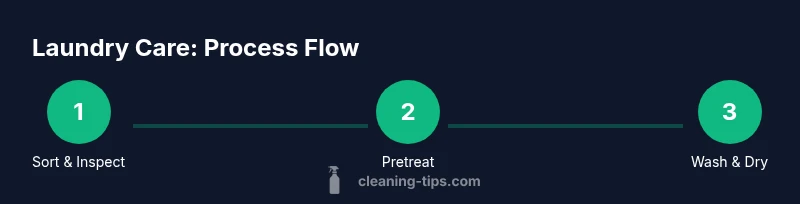
Implementing a reliable routine helps ensure every load comes out clean. The following steps provide the framework you can adapt to different fabrics and stains. For the full description of each action, refer to the dedicated STEP-BY-STEP block below. This overview is designed to keep you honest about the sequence: inspect, pretreat, sort, wash, check, dry, and rewash if needed. Cleaning Tips notes that consistency is key for long-term results.
Authority Sources
To support this guidance, consult reputable sources on laundry care. University extension services and consumer safety agencies publish detailed guidelines on washing temperatures, detergents, and stain treatments. Cleaning Tips references these sources to anchor practical recommendations in established evidence. (Links below provide additional context for deeper research.)
Common Pitfalls to Avoid and Troubleshooting
Common mistakes include overloading the washer, using excessive detergent, washing delicate fabrics in hot water, and drying stained items too soon. These errors can leave residues, set stains, or cause shrinkage. If a stain persists after washing, avoid heat until you treat it again with an appropriate method. Regularly cleaning the washing machine itself also helps keep clothes coming out clean over time.
Quick-Laundry Setup Checklist
- Sort whites from colors and delicates; read care labels.
- Pretreat any visible stains before loading.
- Use the right detergent type and amount for your machine (HE users: low-suds formula).
- Choose water temperature based on fabric and stain type.
- Load with proper capacity; leave room for movement.
- Start the cycle and check items before drying.
Tools & Materials
- Laundry detergent (HE if applicable)(Opt for a formula suitable for your machine type.)
- Stain remover(Choose enzyme-based options for protein stains; test on fabric.)
- Baking soda(Create gentle pretreatment paste for common stains.)
- White vinegar(Use as a natural deodorizer or rinse aid on color-fast loads.)
- Dish soap(Small amount can help with oily residues on specific stains.)
- Soft brush or old toothbrush(Gently work pretreatments into fibers without abrasion.)
- Measuring cup or scoop(Accurate dosing prevents residue and waste.)
- Drying rack or clothesline(Air-drying preserves fabric and reduces heat damage.)
Steps
Estimated time: 60-90 minutes
- 1
Sort and inspect labels
Begin by separating whites, colors, and delicates. Check fabric care labels to determine the correct water temperature, load type, and whether machine washing is appropriate. When in doubt, start with a gentle cycle in cold water for risky fabrics.
Tip: Reading labels saves fabrics from heat damage and color bleeding. - 2
Pretreat stains promptly
Apply a stain remover directly to visible stains or a baking soda paste for stubborn marks. Gently work it in with a soft brush and let it sit for 5-10 minutes before washing. Avoid scrubbing too hard to prevent fiber damage.
Tip: Pre-treating early reduces set-in stains and improves removal odds. - 3
Load the washer properly
Place clothes loosely so they can move; avoid stuffing the drum. Balanced loading helps distribute water and detergent evenly, improving cleaning and reducing wear. For HE washers, use the recommended low-suds formula.
Tip: A properly loaded drum ensures your clothes come out evenly clean. - 4
Choose detergent and temperature
Select a detergent suitable for the fabric and soil level. Use warm or hot water for heavy stains on sturdy fabrics, and cold water for colors and delicate textiles to prevent fading. Adjust cycle length to match the soil level.
Tip: Cold water often prevents color bleeding while still removing many stains. - 5
Run the wash and check
Start the cycle and after completion, inspect for residual stains. If necessary, treat again and rewash. Avoid placing stained items in the dryer before confirming stain removal.
Tip: A quick second wash can save a ruined garment more than prolonged drying. - 6
Dry with care and inspect
Air-dry delicate fabrics or use low heat for sturdier textiles. Check for shrinking, color changes, or fabric damage after drying. If a stain remains, address it while the fabric is still damp.
Tip: Air-drying preserves fit and color best for many fabrics. - 7
Rewash when needed
If stains persist after the first wash, repeat pretreatment and washing steps. Persistent stains may require specialized products or professional care.
Tip: Don't rely on one wash for tough stains; persistence often pays off.
Questions & Answers
What does it mean for clothes to come out clean in laundry care?
Coming out clean means clothes have minimal visible stains, no detergent residue, and no odor. It also implies fabrics retain their color and shape after washing. Consistency across loads helps maintain overall wardrobe health.
Coming out clean means no stains, no soap residue, and fabrics that look and smell fresh after washing.
Should I always separate whites and colors?
Separating whites and colors reduces dye transfer and helps whites stay bright. When in doubt, wash on cold and use color-safe detergents for mixed loads. Delicates may require a gentler cycle.
Yes, separation helps protect colors and brightness, especially on mixed loads.
Can vinegar be used as a stain remover?
White vinegar can help deodorize and break down some residues, but it should be used cautiously and never mixed with bleach. Test on a small area first and avoid using vinegar on delicate fabrics with dyes that could run.
Vinegar can help on some stains, but test first and avoid mixing with bleach.
Is it better to air-dry or machine-dry most clothes?
Air-drying preserves fabric integrity and color for many items, reducing shrinkage and heat damage. Machine drying is convenient but can cause wear. When in doubt, follow the garment label and set appropriate heat levels.
Air-drying protects fabrics better, but follow the label for each item.
What should I do if stains persist after washing?
Treat the stain again with an appropriate remover or paste, then rewash. For stubborn stains, consider repeating pretreatment and washing steps or seeking professional care for delicate fabrics.
If stains persist, re-treat and rewash, or seek professional help for delicate fabrics.
How can I prevent future stains from setting?
Pre-treat new stains promptly and avoid drying items with active stains. Act quickly and keep a stain-removal routine ready. Pre-treating reduces the chance of stains setting during subsequent washes.
Treat new stains quickly and avoid drying until they're removed.
Watch Video
The Essentials
- Sort clothes before washing to prevent dye transfer.
- Pretreat stains promptly for the best chance of removal.
- Follow fabric care labels to protect fibers and colors.
- Check for stains after washing and rewash if needed.