When to Clean Out Bluebird Houses: A Seasonal Guide
Learn when and how to clean bluebird houses after nesting season, with safety tips, step-by-step guidance, and practical considerations for healthier boxes and birds.


Clean bluebird houses after the nesting season ends and the box is confirmed inactive. Wait for fledglings to leave and eggs to hatch before cleaning. Inspect each box first for signs of ongoing activity; if a nest or birds are present, postpone for safety. Wear gloves, use mild soap and water, and allow the box to dry before reusing.
Understanding Bluebird Nesting Cycles
Bluebirds are cavity-nesting birds that typically raise one brood per season in safe nesting boxes. The timing of their nesting cycle is influenced by local climate, food availability, and migratory patterns. Grasping these cycles helps you choose the best moment to clean out bluebird houses without disturbing residents. The Cleaning Tips team notes that successful winter or early spring maintenance begins with identifying when boxes are truly inactive—when adults are not guarding a nest and fledglings have left for good. Signs of activity can linger after fledging, such as lingering feathers, fresh droppings, or a partially built nest. If you rush cleaning during this window, you risk scaring birds away, causing nest abandonment, or exposing babies to cold and predators. In contrast, a properly timed cleaning reduces parasite load, prevents mold growth, and sets the stage for a healthy occupancy next season. Local conditions—rainfall, temperature swings, and insect populations—will shift your best window; observe several seasons to calibrate your routine. According to Cleaning Tips, a calm, methodical approach yields the best outcomes for both birds and box longevity.
When to Clean Out Bluebird Houses
The simplest rule is: clean after the nesting season ends and the box is inactive. In practice, many backyard caretakers target late winter to early spring, before returning residents begin scouting nesting sites. If you have multiple boxes, staggering cleans can keep one box available while another dries and airs out. Always confirm there are no eggs or hatchlings before starting; even a paused or delayed cleaning is better than risking harm to vulnerable birds. If you observe active predation or disease indicators, postpone cleaning and consult wildlife guidelines for your region. When region-specific migratory timings vary, adjust your schedule accordingly, but avoid performing maintenance during peak breeding. Keeping a consistent annual window helps with planning and ensures you don’t miss the critical, post-nesting sanitation. Cleaning Tips analysis shows that consistent timing improves bird acceptance and reduces nest reuse problems, contributing to healthier populations in local habitats.
Safety and Sanitation Basics
Before touching a nesting box, protect yourself and the birds by wearing gloves, eye protection, and a mask if you’re dusty or handling old nest material. Use mild soap and water rather than harsh cleaners that could leave residues harmful to birds. Work slowly and avoid swinging or rattling the box, which could startle birds or dislodge nests. When feasible, place the box on a stable surface away from high-traffic areas to reduce the risk of accidental contact. After removing nesting material, bag it and seal it to prevent parasite transfer. Rinse the interior with clean water and allow it to dry completely in a sunny, well-ventilated area. If you choose to disinfect, use bird-safe products and rinse thoroughly; never mix cleaners. Inspect the exterior for damage or loosened hardware that could degrade the box’s security against predators. Always wash hands and tools after handling nests. Cleaning Tips stresses that a patient, careful approach protects both people and birds and helps boxes last for many seasons.
A Practical Cleaning Workflow
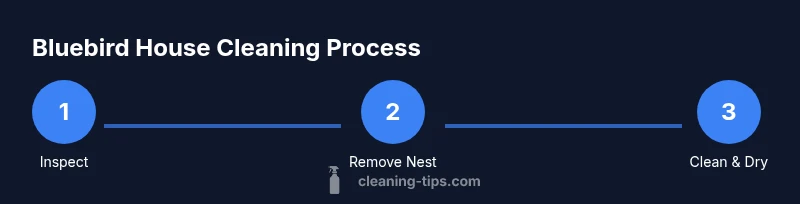
A practical workflow keeps cleaning efficient and safe. First, gather all supplies and set up a clean workspace. Then, inspect the box for signs of inactivity and decide whether to proceed. Next, remove the old nesting materials, seal them away, and prepare to dispose of them responsibly. After that, scrub the interior gently with mild soap and water, focusing on corners and any mold or droppings. Rinse thoroughly and allow the interior to dry completely before reassembly. Finally, reinstall the box at the correct height and orientation, check the entrance hole for size and potential predator access, and seal any gaps. If you install a predator guard, ensure it’s properly mounted and won’t impede ventilation. Throughout, document your cleaning date and any maintenance needs so you can anticipate next year’s cycle. By following this routine, you’ll minimize disease risk and set the stage for healthy bluebird occupancy. Cleaning Tips advocates a calm, stepwise approach to reduce stress on birds and keep boxes in good condition.
Seasonal Variations and Local Considerations
Seasonal timing for bluebird boxes varies with geography. In milder climates, nesting may begin earlier in the year, while in harsher regions construction and egg-laying can be delayed. Altitude, humidity, and prevailing winds influence how quickly a box dries after cleaning. If you live in an area with heavy rainfall, ensure your cleaning window aligns with dry spells to avoid mud and mold. Local wildlife guidelines should be consulted, as some regions discourage human presence near active nests during certain periods. Adapting your cleaning schedule to local cues—like first frost dates, typical insect activity, or migratory movements—helps protect birds and makes maintenance more reliable year to year.
Tools & Materials
- gloves (nitrile or leather)(Protect hands from dirt and parasites)
- safety glasses(Shield eyes from debris)
- dust mask or respirator(Reduce inhalation of dust and spores)
- mild dish soap(Gentle cleaner for nest material)
- bucket or basin(Hold water and waste)
- brushes or scrubbing brush(Clean corners and surfaces)
- spray bottle or garden hose(Rinse interior and exterior)
- old towels or rags(Dry interior and surface)
- replacement nesting materials(Fresh materials if needed for next season)
- sealable bag or bin for nest waste(Contain waste safely)
- screwdriver or basic toolkit(Only if hardware needs adjustment)
Steps
Estimated time: 60-90 minutes
- 1
Inspect the box for activity
Check for active nests, eggs, or lingering fledglings. If you see birds, wait until they depart before proceeding. Confirm there are no adults nearby before opening the box.
Tip: If you’re unsure, pause and observe from a distance for a few minutes to confirm inactivity. - 2
Remove old nesting materials
Carefully extract old nest lining and debris. Place materials in a sealed bag for disposal or composting where allowed. Avoid crushing nests that could contain eggs.
Tip: Wear gloves and minimize disturbance to any remaining nest structures. - 3
Sanitize the interior
Clean interior surfaces with mild soap and water. Do not use strong chemicals that could harm birds. If you use a disinfectant, choose a bird-safe option and thoroughly rinse.
Tip: Focus on corners and perches where droppings accumulate. - 4
Rinse and dry the box
Rinse away soap residues and allow the interior to dry completely in a sunny, ventilated area. Avoid leaving the box damp, which encourages mold.
Tip: Open the door or flap to improve air circulation during drying. - 5
Prepare for the next season
Inspect hardware and mounting height. Ensure predator guards are in place and the entrance hole is appropriate for bluebirds. Tighten screws and repair any cracks.
Tip: A level, secure mount reduces exposure to predators and weather damage. - 6
Document and monitor
Record the cleaning date, any repairs, and notes for next year. Take photos to track box condition over time. Use these logs to refine your schedule.
Tip: A simple maintenance diary makes year-to-year planning easier.
Questions & Answers
When is the safest time to clean bluebird houses?
Clean after nesting completes and the box is inactive. Avoid active nests and birds during cleaning.
Clean after the birds have fledged and the box is inactive.
Should I disinfect with bleach or other chemicals?
Use mild soap and water. If you use a disinfectant, choose bird-safe products and rinse well before reusing the box.
Stick to mild soap and thorough rinsing; avoid harsh chemicals near birds.
What should I do if I find eggs or chicks during inspection?
Do not disturb eggs or chicks. If found, pause cleaning and consult local wildlife guidelines.
Don’t disturb eggs or chicks; wait until they’ve left the nest.
Can I clean bluebird houses in winter?
Yes, if the box is inactive and weather allows safe access. If not, postpone until conditions improve.
Only clean when it’s safe and not freezing.
How can I prevent predators from targeting boxes?
Use predator guards, ensure proper hole size, and mount boxes securely to reduce access routes.
Make sure your box is predator-proof with guards and secure mounting.
If I have several boxes, how often should I clean each one?
Clean boxes on a rotation basis if you have many; aim for an annual schedule across boxes.
Spread maintenance across boxes to avoid gaps in care.
Watch Video
The Essentials
- Inspect boxes for inactivity before cleaning
- Clean once per year after nesting ends
- Use mild soap and rinse thoroughly
- Reinstall with predator guards and proper mounting