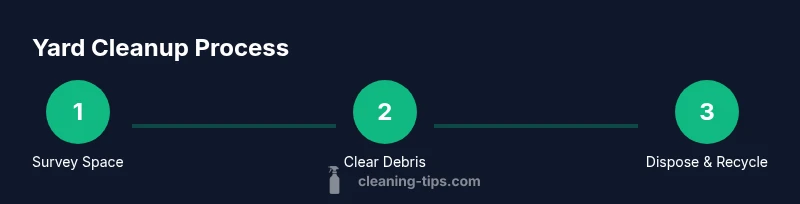
Yard Clean Up Near Me: A Practical How-To Guide
Learn a practical, step-by-step yard clean up plan for your outdoor space. Safety, planning, disposal options, and sustainable tips for homeowners and renters.


Goal: Complete a yard clean up near me by collecting debris, trimming overgrowth, and disposing of waste responsibly. This guide covers a practical, step-by-step plan, essential safety gear, and disposal options that fit most neighborhoods. By following these steps, homeowners and renters can reclaim their outdoor space quickly while staying within local guidelines.
Why Yard Cleanup Near Me Matters
According to Cleaning Tips, a well-planned yard cleanup improves safety, curb appeal, and outdoor usability. When you tackle overgrowth, fallen branches, and accumulated debris, you reduce tripping hazards, prevent pest harborage, and create space for outdoor activities. A clean yard also supports healthy soil by allowing sunlight to reach grasses and plants, which promotes even growth. In many communities, tidy yards reflect responsible property ownership and can influence neighborhood aesthetics, property values, and even your own safety during storms. By focusing on a local approach—what you can do this season close to home—you’ll avoid unnecessary trips, save time, and reduce wasteful back-and-forth trips to the dump. This local perspective helps neighbors, too, when shared resources like leaf bags or compost bins are available nearby.
Assessing Your Yard and Setting Realistic Goals
Begin with a quick survey of your yard: size, sun exposure, major debris, and any safety hazards like weak branches or uneven ground. Set realistic goals based on the yard’s current condition and your available time. For example, you might target clearing a 200-square-foot patio, trimming back overgrown shrubs, and collecting all fallen leaves in a single weekend. Break large tasks into smaller chunks and assign a priority order—safety first, then debris removal, then pruning. A clear goal helps you determine which tools to pull from the shed and whether you’ll need extra help, equipment, or disposal services. If you’re short on time, consider focusing on high-impact areas such as the driveway, walkway, and play areas, where clutter most affects safety and usability.
The Essential Safety Gear and Prep
Before you touch a rake, assemble a basic safety kit: sturdy gloves, eye protection, long sleeves, and closed-toe footwear. A basic plan is to wear weather-appropriate clothing and apply sunscreen if you’ll be outdoors for hours. Inspect tools for damage, tighten handles, and clear the work area of people and pets. Lay out a trash bag or bin for debris and a second bag or tarp for prunings. If you’re working on slopes or near fences, consider a rope or harness for stability and avoid working alone in risky spots. A short safety checklist—eye protection, hand protection, footwear, and a clear escape path—helps prevent common injuries when handling branches, thorny plants, and heavy debris.
Decluttering and Debris Removal: A Practical Plan
Start by removing large, obvious debris like fallen branches and trash bags. Create a central pile you’ll later transfer to bins or the curb, minimizing trips back and forth. Next, address leaves and smaller vegetative matter, which you can either compost or bag for municipal pickup. If you have ornamental beds, trim only what’s necessary to avoid shocking plants; thin out overgrowth gradually to maintain plant health. For efficient raking, work in rows or circles from the perimeter toward the center. Throughout, keep an eye on hidden hazards such as garden hoses, sprinkler heads, or irrigation lines. When done with a section, pause to inspect for missed pockets of debris and sweep the area clean.
Tools and How to Use Them
Your toolkit should cover the basics and match your yard’s needs. A sturdy rake is ideal for gathering leaves and light debris, while pruning shears handle small branches. For larger branches, loppers can save time, and a wheelbarrow helps shift heavy loads. Use sturdy trash bags or specialized yard waste bags for easy disposal. A leaf blower can speed up leaf collection on smaller yards but isn’t essential for every cleanup. Learn each tool’s safe operating technique, keep blades sharp, and store tools in a dry place after use to extend their life. If a tool doesn’t suit a task, switch to a better option rather than forcing it.
Disposal Options and Local Regulations
Disposal methods vary by location. In many areas, you can place yard waste in designated bags or bins for curbside pickup. Some municipalities offer composting programs or local compost facilities, which can be more sustainable and cost-effective. If you’re unsure, contact your city’s waste management department to confirm bag size limits, pickup days, and any permits or fees for bulky debris. For larger projects, consider renting a dumpster or hiring a local cleanup service. Mulching cuttings can also reduce waste volume and enrich soil, if your yard supports mulched material. Always separate recyclable materials from non-recyclables and follow local rules to avoid fines.
Time Management: Estimating Hours and Scheduling
A yard cleanup’s duration depends on yard size, debris volume, and accessibility. A modest yard with light debris can take 2–4 hours, while larger properties with thick brush or dense leaves may require a full day. Build in buffer time for unexpected issues like hidden roots or soggy ground. Schedule tasks during daylight, and plan breaks to prevent fatigue. If you’re working with family or neighbors, assign clear roles to keep the workflow smooth and efficient. Track progress on a simple checklist, and adjust your plan if a particular area takes longer than expected. Patience and steady pace yield better results than rushing.
Seasonal and Sustainable Practices
Seasonal care keeps your yard looking its best year-round. In spring, focus on pruning and weed control; in summer, mow regularly and manage overgrowth; in autumn, collect leaves for compost or mulch; in winter, inspect for hazards and plan for the next growing season. Emphasize sustainable practices by composting yard waste and using mulch to conserve moisture and suppress weeds. Reuse intact materials for DIY landscaping projects, and consider rain barrels to collect runoff for irrigation. By combining practical cleanup with sustainable habits, you’ll maintain a healthier yard and a smaller environmental footprint.
Tools & Materials
- Gloves (durable work gloves)(Leather or heavy fabric, wrist cuff)
- Safety glasses(Protect eyes from flying debris)
- Long-sleeve shirt and pants(Protection from thorns and sun)
- Closed-toe footwear(Sturdy boots or shoes with traction)
- Rake(Sturdy steel or carbon steel with comfortable grip)
- Pruning shears(For small branches and shrubs)
- Wheelbarrow(Helpful for moving heavy debris)
- Heavy-duty trash bags(6- to 8-gallon or larger; contractor bags are fine)
- Leaf blower(Speeds up leaf collection on smaller yards)
- Loppers(For thicker branches)
Steps
Estimated time: Total time: 2-5 hours
- 1
Survey and plan
Walk the yard to identify debris, hazards, and high-priority areas. Set a realistic target for each cleanup session and note any access restrictions or disposal rules. This upfront planning reduces backtracking and keeps the work focused.
Tip: Create a simple map or checklist to track areas and tasks. - 2
Prune and trim
Tackle overgrowth in manageable sections. Use pruners for small branches and loppers for thicker limbs. Avoid removing more than necessary to protect plant health and minimize waste.
Tip: Work from the outer edges inward to avoid re-trashing cleared spaces. - 3
Collect large debris
Remove branches, logs, and bulky items first. Bag or bin heavy debris to prevent repeated lifting. Keep piles centralized to minimize trips across the yard.
Tip: If a heavy item is impossible to move alone, ask for help or rent a dolly. - 4
Rake leaves and smaller debris
Rake in sections toward a central collection area, then transfer to bags or bins. Consider mulching light materials to reduce waste volume.
Tip: Rake when the ground is dry to avoid clumping and soil damage. - 5
Dispose of waste properly
Follow local guidelines for curbside pickup or drop-off. Separate recyclables, compostables, and non-recyclables as required by your municipality.
Tip: If you’re unsure, call the waste department for guidance. - 6
Clean and store tools
Wipe blades and pruning tools, oil hinges, and store in a dry place. Cleaning tools after use extends their life and reduces rust.
Tip: Lubricate moving parts to prevent stiffness.
Questions & Answers
What is considered yard waste?
Yard waste typically includes leaves, grass clippings, small branches, and trimmings. Avoid placing hazardous materials or non-organic items with yard waste, as these require separate disposal.
Yard waste includes leaves, grass clippings, and small branches. Do not mix in hazardous materials.
How should I dispose of yard debris?
Use municipal yard waste pickup, municipal composting programs, or homeowner composting for plant matter. Check local guidelines to determine bag sizes, pickup days, and whether you need permits.
You can compost yard debris or use municipal yard waste pickup. Always check local rules.
Do I need permits for a large cleanup?
Most home yard cleanups don’t require permits unless you’re burning debris or performing major land work. Always verify with local authorities if in doubt.
Generally not, but confirm with your city for any special cases.
What are essential tools for a basic cleanup?
Gloves, a sturdy rake, pruning shears, trash bags, and a wheelbarrow or tarp for moving debris form a solid core toolkit.
You’ll want gloves, a rake, pruners, bags, and a wheelbarrow.
How long does a typical yard cleanup take?
Time varies with yard size and debris volume. Plan for a couple of hours for small yards and up to a full day for larger properties.
It can take several hours depending on size and debris.
Can I hire help for yard cleanup near me?
Yes. Local landscapers or cleanup services can handle larger tasks or busy seasons, saving you time and effort.
Absolutely. A local cleanup service can manage big tasks.
Watch Video
The Essentials
- Plan first, then execute to save time.
- Wear proper safety gear to prevent injuries.
- Use the right tools for each task to boost efficiency.
- Dispose yard waste responsibly and in line with local rules.
- Incorporate sustainability through composting and mulching.