Dog Poop Clean Up: A Practical How-To for Clean Yards
Learn practical, step-by-step dog poop clean up methods to keep yards safe and clean. Tools, disposal options, and health tips for homeowners and renters.


Learn how to perform dog poop clean up safely and efficiently. This quick answer outlines the essential steps: gather gloves, bags, a scooper, and a disinfectant; pick up waste from grass, soil, and shadowy corners; seal the waste securely for disposal; and finish by cleaning tools and the area to prevent odors and pests.
Why proper dog poop clean up matters
Keeping dog waste under control isn't just about cleanliness—it's about health, safety, and community respect. According to Cleaning Tips, regular poop cleanup reduces exposure to parasites and bacteria that can affect children, other pets, and even wildlife. The Cleaning Tips team found that consistent waste removal minimizes odors, discourages pests like flies, and helps prevent lawn damage from acids in urine over time. By integrating a simple routine into daily chores, homeowners and renters can maintain a safe yard, protect plumbing, and avoid backyard contamination after rain. In households with multiple pets, the importance scales with waste volume, so storing bags and a dedicated disposal method within easy reach ensures you never skip a cleanup. This guide walks you through practical steps, the right tools, and disposal strategies to make dog poop clean up straightforward and effective.
Tools and supplies you'll need
Having a dedicated cleanup kit makes quick pickups effortless and reduces the chance of skipping a cleaning. The right gear helps you stay hygienic and minimizes odor spread, especially in shared spaces or yards frequented by children and other pets. In this section we outline essential items, plus optional extras that can speed up routine cleanups and improve odor control. Always choose pet-safe, EPA-registered products when possible and store supplies in a portable caddy or bin so you can grab them quickly when you notice waste. Keeping tools organized also reduces the risk of cross-contamination between indoor cleaning and outdoor areas. As you read, think about how many pets you have, how big your yard is, and how often you clean, so you can tailor your kit accordingly.
Surfaces and poop collection techniques
Dog waste can appear on grass, mulch, soil, gravel, or paved areas, and each surface benefits from a slightly different approach. For grassy areas, a long-handled scooper helps you lift the waste with minimal bending, while a bagged hand scoop can work for tight spaces or hard surfaces. In shaded corners or under bushes, waste tends to accumulate and decompose more slowly, so it’s especially important to remove waste promptly. Always place waste directly into a lined bag to reduce odor and leaks, then seal the bag immediately. When you’re dealing with wet or partially decomposed waste, take extra care to avoid splashes and always dispose of the bag in a sealed trash container with a lid.
Step-by-step cleanup overview
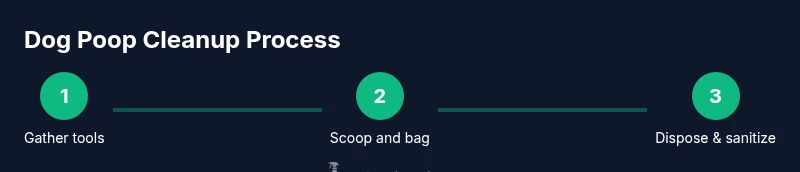
A clear, repeatable routine makes clean up efficient and less stressful. Start by preparing your cleanup kit, then systematically locate, collect, seal, and dispose of all waste. After disposal, sanitize tools and the area to prevent lingering odors and bacterial growth. Finally, dry tools before storage and consider a light deodorizing spray that’s safe for pets. Having a routine is especially helpful for homes with multiple dogs or when guests visit, ensuring a consistently clean outdoor space for everyone.
Disposal options and environmental considerations
Disposing of dog waste properly protects water quality and local wildlife. In most residential areas, the recommended method is bagging the waste and placing it in a covered trash can. Some communities allow composting in specialized systems, but general home composting of dog waste is not advised due to pathogens. If you live in a condo or apartment with shared outdoor spaces, check building guidelines for disposal rules and composting restrictions. Never flush dog waste down the toilet unless your local sewer authority explicitly allows it and your plumbing can handle solids. Always double-bag wet waste to prevent leaking during transport to the trash.
Cleaning and sanitizing tools and spaces
After every cleanup, rinse the scooper and tongs with hot water, then spray with an EPA-approved disinfectant. Let surfaces air dry completely before putting tools away to prevent rust and mildew. Wipes or paper towels can help remove any residual odors from containers or storage bins. For outdoor spaces, a quick spray with a pet-safe disinfectant on the concrete or pavement can deter odors and discourage pests without harming lawns. Finally, wash your hands thoroughly with soap and water and consider using a sanitizer wipe on exposed skin if cleaning occurs in dusty or windy conditions.
Health, safety, and pets at home
Pet waste can harbor parasites and bacteria that pose health risks to humans and animals. Always wear gloves during cleanup, and wash your hands afterward. If anyone in the home has a compromised immune system or young children play in the yard, increase the frequency of cleanups and keep pets away from the cleaning area until it’s fully dry. Never mix dog waste with other household trash that could attract pests. If you notice any unusual odors, drainage issues, or signs of contamination near water sources, seek professional guidance or local health department advice.
Outdoor yard maintenance and routines
A routine approach makes it easier to manage waste as part of yard maintenance. Schedule regular pickups—daily if the yard sees heavy activity, or several times weekly if you have multiple dogs. Pair cleanups with lawn care and seasonal maintenance so you don’t forget. Consider a simple labeling system on your cleanup kit to remind family members of responsibilities. If you have a dog walking path, keep bags accessible at both ends of the path to encourage immediate cleanup after each use. A consistent routine also helps you monitor changes in your yard’s health, such as unusual droppings or changes in soil color, which could indicate issues that require attention.
Common mistakes and quick fixes
Common errors include using flimsy bags that tear, failing to seal bags properly, and neglecting to sanitize tools after use. To avoid these, use sturdy bags, double-bag if necessary, and wipe or rinse tools thoroughly before storage. Another frequent mistake is disposing of bagged waste in inappropriate bins or in shared community compost piles. Always follow local guidelines for waste disposal. If you’re short on time, a quick, routine cleanup beats waiting until a large pile builds up, which can be harder to manage and less sanitary.
Tools & Materials
- Disposable gloves (nitrile)(Use sturdy gloves; 3-4 mil or thicker)
- Plastic waste bags (heavy-duty)(One per bag; double-bag if leak risk)
- Scooper or poop bag holder(Long-handled scooper helps minimize bending)
- Disinfectant spray or solution(EPA-registered cleaner safe for pets)
- Paper towels or rags(For drying surfaces after cleaning)
- Trash can with tight-fitting lid(Keep away from pets and children)
- Bucket of warm water and mild soap(Optional for pre-wash of tools)
- Optional: Yard deodorizer(Pet-safe product to reduce odors)
- Face mask(Optional in dusty or windy conditions)
- Flashlight(Night cleanup; ensure even lighting)
Steps
Estimated time: 30-45 minutes
- 1
Gather supplies
Assemble your cleanup kit in a portable caddy or bin. Include gloves, bags, a scooper, a disinfectant, and a trash container. Check the yard to identify any hard-to-reach spots before you start so you don’t miss waste.
Tip: Keep supplies within arm’s reach; pre-load the kit so cleanup is quick. - 2
Put on gloves and prep bags
Put on disposable gloves and prepare a filled bag for each waste item. Avoid touching waste with bare hands, and avoid overfilling bags to prevent tears during removal.
Tip: Use double-bagging for wet waste to prevent leaks and odors. - 3
Locate and isolate waste
Scan your yard for visible droppings, paying attention to shaded areas and under bushes. Isolate waste from pets and kids by moving it toward the bagged container for easy pickup.
Tip: Check under play equipment and along fencing where waste can accumulate unseen. - 4
Scoop and bag waste
Use the scooper to lift the waste into the bag without contact. If you’re working on hard surfaces, consider placing a thin mat or cardboard to prevent tearing the bag on rough edges.
Tip: Scoop from the base to avoid splashing. - 5
Seal and dispose properly
Seal bags tightly and place them in a trash can with a secure lid. Do not leave bags loose in the yard or on street curbs; follow local guidelines for disposal frequency and rules.
Tip: If odor is a concern, tie the bag twice and place it in the deepest bin to minimize exposure. - 6
Clean tools and area
Rinse tools with warm water, spray with disinfectant, and wipe dry. Clean any surfaces you touched, then allow them to air dry completely before storage.
Tip: Let disinfectant sit for the labeled contact time to ensure efficacy. - 7
Dry and store equipment
Dry tools thoroughly to prevent rust and mildew. Store them in a dry, ventilated area away from children and pets.
Tip: Keep the kit in a shed or garage to prevent weather damage. - 8
Maintain a cleanup routine
Incorporate dog poop clean up into your weekly housekeeping or yard maintenance schedule. Regularity reduces buildup and makes each cleanup quicker and more effective.
Tip: Set a calendar reminder or assign a family member to handle yard waste days.
Questions & Answers
How often should I clean up dog poop in a yard?
Clean up as often as possible; aim for daily or several times per week to minimize health risks and odors, especially in busy yards or with multiple dogs.
You should clean up as often as you can—daily if possible, or several times a week to keep odors down and reduce health risks.
Is it safe to flush dog poop down the toilet?
Flushing is not universally allowed. Check local guidelines and sewer capabilities—many areas discourage flushing due to potential clogs and environmental concerns. Trash disposal is the safer default.
Flushing isn’t always allowed; check your local rules and use trash disposal unless your authority says otherwise.
What disinfectants are safe to use around pets?
Use EPA-registered disinfectants labeled as safe for pets. Follow the label directions, ensure proper ventilation, and keep pets away until surfaces are completely dry.
Use EPA-registered pet-safe disinfectants and follow the label; keep pets away until dry.
Can I compost dog waste at home?
Generally not recommended due to pathogen risks. Dispose in trash or in a designated community facility that accepts pet waste if available.
Avoid home composting of dog waste; dispose in trash or a proper facility if available.
What should I do if I have a large yard or many dogs?
Plan a larger cleanup area, use bigger bags, and consider scheduling multiple bags per session. A more robust routine helps prevent buildup and makes cleanup easier.
For big yards or many dogs, use bigger bags and more frequent cleanups; keep a clear schedule.
Watch Video
The Essentials
- Choose the right bags and tools.
- Scoop waste promptly from all yard surfaces.
- Seal waste securely before disposal.
- Disinfect tools and area after every cleanup.
- Establish a consistent cleanup routine.