How to Clean Kitty Litter: A Practical, Health-Focused Guide
A practical, step-by-step guide to clean kitty litter safely, reduce odors, and keep your home healthy. Learn tools, routines, and disposal tips from Cleaning Tips.


This guide shows you how to clean kitty litter safely and efficiently, reducing odors, minimizing dust, and keeping both you and your cat comfortable. You’ll need a few essential tools, a routine for regular scooping, safer litter options, and simple disposal habits. By following these steps, you’ll maintain a cleaner, healthier litter area and a happier home.
Why cleaning kitty litter matters for health and home
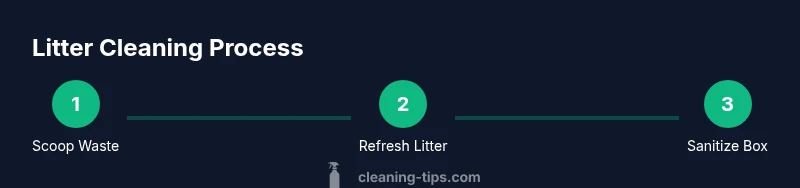
Keeping the litter area clean is more than a matter of smell. Regular maintenance minimizes airborne dust and reduces exposure to ammonia and bacteria that can irritate lungs and eyes. A clean litter space supports your cat’s comfort and your own peace of mind, especially in homes with children or allergy-prone residents. When you prioritize daily scooping and periodic deep cleans, the litter box becomes a healthier, more inviting space for your cat. According to Cleaning Tips, consistent maintenance can lower odor levels and improve overall indoor air quality. For many households, a simple routine—scooping, refreshing litter, and sanitizing the box—delivers noticeable results without heavy effort. In practice, the goal is to transform a potential source of mess into a predictable, low-stress task you can perform quickly each day. Cleaning kitty litter should feel like a small daily win, not a daunting chore.
Quick-start tip
- Start with a designated litter area and a washable mat to catch stray grains.
- Schedule a 5-minute daily scoop and a weekly deep clean to stay on top of buildup.
- Keep the litter box in a well-ventilated spot away from food areas for better air quality.
Common concerns and benefits
- Odor control improves mood and comfort for both people and pets.
- Regular cleaning reduces the chance of litter dust traveling through living spaces.
- A predictable routine lowers stress for cats who value a clean, familiar bathroom area.
Tools & Materials
- Litter scoop with holes (sturdy material)(Choose metal or heavy-duty plastic; wide scoop for quick removal)
- Litter box or enclosed enclosure(One box per cat, plus one spare during cleaning)
- Cat litter (clumping or alternative)(Choose the litter your cat tolerates best)
- Trash bags (heavy-duty)(For bagging waste and disposable liners)
- Trash can with lid(Keeps odors contained between pickups)
- Paper towels or cloth rags(For quick spot cleaning and spills)
- Cat-safe disinfectant spray(Used after deep cleaning; avoid strong scents)
- Gloves (optional)(Protect hands from waste and residue)
- Mat or tray under the box(Prevents tracked litter across floors)
Steps
Estimated time: 60-90 minutes
- 1
Gather supplies and set up
Collect all tools and place them within easy reach. This reduces time spent searching and ensures you have everything you need for the job. If you’re sharing the space with others, assign one person to help with disposal to speed things up.
Tip: Having a dedicated cleaning caddy speeds up daily maintenance. - 2
Scoop waste from the litter box
Remove soiled clumps and solid waste first, then fill-in with fresh litter. Do not leave waste sitting in the box, as it can quickly cause odors and dampness. If you have multiple boxes, use the scoop designated for each to avoid cross-contamination.
Tip: Scoop from the center outward to capture the clumps more efficiently. - 3
Level and refresh the litter
Gently level the litter after scooping to ensure an even surface for your cat. Add a thin top layer of litter if the box feels low, but avoid overfilling. A balanced depth helps your cat dig and cover waste as usual.
Tip: Keep the litter depth between 2–3 inches for most cats. - 4
Clean the box and surrounding area
Wipe the interior with a cat-safe disinfectant or mild soap and water. Dry completely before adding fresh litter to prevent damp pockets. Wipe the exterior and any nearby mats to stop tracking and keep the space tidy.
Tip: Avoid strong scents that might deter your cat from using the box. - 5
Dispose of waste properly
Seal the waste in a bag and place it in a trash can with a lid. For homes with multiple boxes, consider a separate bag for each box to prevent cross-contamination. Regular disposal helps control odors and pests.
Tip: Tie knots securely to prevent leaks during transport. - 6
Replace litter and seal the box
Pour fresh litter to reach the recommended depth and distribute evenly. Check for clumps and ensure there are no damp spots on the box lining. Replace liners if used and ensure the box is ready for your cat's next visit.
Tip: Choose litter that clumps well for easier cleanup. - 7
Vacuum or sweep the area
Clean any scattered litter from the floor around the box using a dry broom or vacuum with a pet-friendly setting. This keeps the area neat and reduces tracking. Finish by wiping the surface with a dry cloth to remove fine dust.
Tip: Vacuum settings on low suction prevent scattering litter into corners. - 8
Inspect for signs of moisture or wear
Check for damp spots, lingering odors, or a damaged box. If you notice persistent dampness, consider replacing the litter and box. Periodic checks extend the life of your setup and protect your cat's health.
Tip: Regular checks catch issues before they worsen. - 9
Document your routine and schedule
Record the frequency of scooping and deep cleans so you can maintain consistency. A simple checklist helps families stay aligned on duties and ensures you don’t skip essential steps.
Tip: A visible calendar reminder makes the routine automatic.
Questions & Answers
What is the best type of litter for easy cleanup?
Many households prefer clumping litter for ease of scooping and odor control. If your cat is sensitive to dust, consider low-dust or natural alternatives and observe how your cat adapts.
Clumping litter is usually easiest to scoop, but watch your cat’s reaction to dust or scent when choosing a brand.
How often should I scoop the litter box?
Aim for daily scooping to remove waste and reduce odors. A thorough weekly clean, including box interior and liner replacement if used, keeps the space sanitary.
Scoop at least once per day, and do a deeper clean every week.
Can I use scented cleaners around the litter box?
Avoid strong scented cleaners near the box, as cats may dislike them. Use unscented, cat-safe products and rinse well after cleaning.
To keep your cat comfortable, stick to unscented cleaners and rinse thoroughly.
What should I do if my cat refuses the box after changes?
Give your cat time to adjust. Reintroduce changes gradually, mixing old litter with the new, and place the box in a familiar spot until they adapt.
If your cat avoids the box, reintroduce changes slowly and keep the box in a place they already trust.
Is it safe to flush litter down the toilet?
Flushing rules vary by area. Generally, avoid flushing litter that contains stool or isn't labeled flushable, and follow local waste guidelines.
Check local guidelines before flushing; many litters aren’t flushable and can clog pipes.
Watch Video
The Essentials
- Establish a dedicated litter area with mat protection
- Scoop daily and deep-clean weekly for best odor control
- Use cat-safe cleaners and avoid strong fragrances
- Dispose of waste promptly in a sealed bag
- Monitor your cat’s health and box conditions regularly