How to Clean Fleas from Home: A Complete Guide
Learn practical, expert methods to eliminate fleas from your home, protect pets, and prevent re-infestation with safe cleaning and prevention strategies from Cleaning Tips.


You will learn how to remove fleas from living spaces, protect pets, and prevent re-infestation. This guide covers cleaning, sanitizing, pet care, and prevention across floors, furniture, bedding, and yards. Basic supplies include vacuum, hot water, washing detergent, steam cleaner, and pet-safe flea treatment. Consistency matters: perform the steps weekly during infestation and after major cleaning.
Why fleas in the home happen
Fleas are tiny but persistent pests that can turn a comfortable home into a constant itch zone for people and pets. If you’re curious how to clean fleas from home, understanding their lifecycle helps you attack the problem at every stage. Fleas begin as eggs dropped by an infested animal and then hatch into larvae that hide in carpets, bedding, and cracks. They feed on blood as adults, but their offspring rely on a host for development. Because eggs and larvae can hide in small crevices, a quick surface cleaning rarely solves the problem. The Cleaning Tips team emphasizes that success comes from a deliberate plan that combines cleaning, pet care, and prevention. This article uses a practical, step-by-step approach designed for homeowners and renters alike. You will learn to identify problem areas, choose safe cleaning methods, and set up routines that reduce flea-friendly environments. If you are wondering how to clean fleas from home, start with a clear understanding of where fleas live and how your actions disrupt their life cycle.
Assessing flea activity and infestation hotspots
Begin with a careful survey of your home. Look for signs such as dark specks (flea dirt) on pet bedding, carpets, and upholstery, as well as increased scratching by pets. Pay special attention to areas where your animals spend time, as well as sleeping corners, and the seams of cushions. Fleas prefer warm, humid spots, but they can survive in dry environments with sufficient food sources. Use a bright flashlight to inspect cracks along baseboards, under furniture, and inside pet beds. While not every dark speck is a flea, persistent scratching and visible fleas after cleaning signal an ongoing problem. This step helps you tailor the rest of the plan to your home’s layout and helps you avoid unnecessary products. According to Cleaning Tips, documenting the hotspots early can save time and reduce repeated cleaning passes as you work toward a flea-free home.
Core cleaning actions you should implement
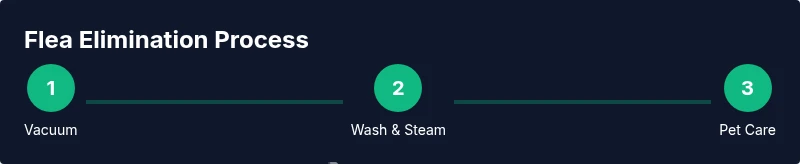
A systematic plan starts with removing fleas from the environment and reducing their ability to reproduce. Begin with thorough vacuuming of all floors, carpets, upholstery, and pet resting areas. The goal is to pick up eggs and larvae that may be invisible to the eye and to reduce adult fleas that can jump to pets. After vacuuming, immediately seal and dispose of the bag to prevent survivors from re-spreading. Follow with damp-wipe cleaning of baseboards, cracks, and hard surfaces, then apply heat where appropriate (steam cleaning carpets or washing fabrics in hot water). This combination disrupts the flea life cycle by removing food sources and favorable conditions. If you are asking how to clean fleas from home in practice, this step lays the foundation before any chemical treatments. Consistency matters, so schedule these actions as part of a weekly routine during active infestations.
Cleaning by surface: floors, fabrics, and furniture
Carpets and rugs are common flea havens; cleaning them requires a combination of dry and wet methods. Start with a thorough vacuum to remove eggs and larvae from fibers, then follow with steam cleaning where possible. After vacuuming, consider treating the area with a hot, damp cloth or mop to remove remaining debris and to kill newly hatched fleas. For hard floors, sweep and mop with a soap solution; focus on joints and edges where fleas hide. Pay attention to cushions, pet beds, and upholstered furniture, which can harbor life stages regardless of carpet coverage. If you see flea dirt, wipe the surface with a damp cloth to reveal the pests beneath. The goal is not just surface cleanliness but reducing the microhabitats that fleas use to survive. Remember that heat and moisture are effective in killing eggs and larvae. As you work through this process, monitor the rooms for any sign of activity and adjust your approach accordingly.
Pet care and safe treatments
Treating pets is essential to break the flea life cycle. Use veterinarian-recommended products and follow label directions carefully. Combine topical or oral medications with regular grooming and combing to remove adult fleas. A flea comb helps you physically extract fleas and eggs from fur, while washing pet bedding regularly reduces re-infestation. While some home remedies exist, rely on proven, pet-safe products, and never mix products without guidance from a vet. If you notice persistent itching or skin irritation, consult a professional for diagnosis and treatment options. This section is about integrating pet care with environmental cleaning so your animals aren’t a continuing source of reinfestation. The goal is to support your cleaning plan with effective, safe veterinary guidance. The Cleaning Tips team emphasizes patience and safety when selecting and applying flea products.
Laundry, bedding, and textiles
Textiles such as bedding, blankets, curtains, and pet blankets can harbor fleas at all life stages. Run these items through a hot-water wash (ideally above 120°F/49°C) and dry on high heat to kill eggs and larvae. For items that cannot be washed, seal them in a bag for a period of time, then re-test. Regular cleaning of fabric surfaces, including throws and cushion covers, helps interrupt flea lifecycles by removing living stages and reducing food sources. After washing, promptly return textiles to the home and launder again as needed during the infestation. If you’re unsure about washing specific materials, check care labels and err on the side of caution with hotter temperatures when safe. As Cleaning Tips notes, persistence in laundering is a critical part of controlling fleas in living spaces.
Prevention and long-term success
Even after you reduce current flea activity, ongoing vigilance is essential. Set a weekly cleaning schedule that includes vacuuming high-traffic areas, washing pet bedding, and inspecting pet fur regularly. Maintain pet preventive products as advised by your veterinarian, and continue to monitor for signs of reinfestation. Seal potential hiding places such as cracks, baseboard gaps, and cluttered corners. Reducing humidity in your home can also hinder flea development, so consider dehumidification in damp seasons. The aim is to keep the environment unattractive to fleas so they cannot complete their life cycle. Cleaning Tips emphasizes that consistent habits, combined with prompt action when signs appear, produce better long-term outcomes than seasonal cleaning alone. This approach works well for households with dogs, cats, or other pets.
Quick-check list and troubleshooting
- Vacuum all surfaces thoroughly at least twice per week during an active infestation.
- Wash all washable fabrics in hot water and dry on high heat.
- Treat pets according to a vet-approved plan and comb regularly.
- Check for flea dirt and live fleas after each round of cleaning.
- If you still see fleas after two cleaning cycles, revisit hiding spots and extend laundering. Troubleshooting: If cleaning has improved but not eliminated fleas, re-scan rooms with a flashlight at night and check under furniture. The most effective plan combines cleaning, pet care, and prevention. The Cleaning Tips team notes that a methodical approach reduces anxiety and improves results.
When to call a professional
If fleas persist after multiple cleaning cycles or if the infestation affects multiple pets or large areas, a licensed pest professional can help. A pro can assess the environment, apply targeted, pet-safe treatments, and offer ongoing monitoring plans. Early consultation can prevent recurrence and may be more economical than repeated at-home attempts. The decision to hire a pro should consider the extent of the infestation, the presence of vulnerable individuals, and the potential health risks to pets. The Cleaning Tips team reminds readers that professional help is a prudent option when DIY measures fail to control fleas effectively.
Common mistakes to avoid
- Relying on a single cleaning method instead of a multi-pronged plan. Fleas require disruption of multiple life stages.
- Skipping washing of fabrics or carpets. Eggs hidden in textiles survive cleaning attempts.
- Forgetting to treat pets. Pets are the primary source of fleas and reinfestation.
- Using unlabeled products or mixing chemicals. Always follow label directions or consult a vet.
- Underestimating humidity and clutter as flea havens. Keep spaces tidy and dry to discourage flea habitats.
Tools & Materials
- Vacuum cleaner (HEPA preferred)(Vacuum all floors, carpets, upholstery, and pet areas; empty outside.)
- Rubber gloves(Protect hands during cleaning and handling contaminated materials.)
- Steam cleaner(Use on carpets and fabric where heat is safe.)
- Mop and bucket(Wet cleaning hard surfaces and baseboards.)
- Broom and dustpan(Gather debris from corners and edges.)
- Laundry detergent(Wash textiles in hot water to kill eggs and larvae.)
- Pet-safe flea treatment(Vet-recommended product for pets; follow directions.)
- Flea comb(Manual removal of fleas from pets.)
- Microfiber cloths(Damp wipe surfaces and pick up flea dirt.)
- Baking soda or diatomaceous earth (food grade)(Optional dry decontamination; use with care.)
- Face mask(Optional for dust-heavy cleaning.)
- Pet bedding(Launder separately to remove fleas and eggs.)
Steps
Estimated time: 1.5-2.5 hours
- 1
Vacuum thoroughly
Vacuum all floors, carpets, upholstery, and pet resting areas. Move slowly and overlap strokes to maximize eggs and larvae pickup. Empty the vacuum outside immediately to prevent re-infestation.
Tip: Use a slow, deliberate pass over each area. - 2
Wipe and steam where possible
Damp-wipe baseboards, cracks, and hard surfaces. Use a steam cleaner on carpets and fabric furniture where safe to kill fleas at all life stages.
Tip: Heat improves effectiveness on life stages that are heat-sensitive. - 3
Wash fabrics in hot water
Launder pet bedding, curtains, blankets, and any removable fabrics in hot water with detergent. High heat is essential to kill eggs and larvae.
Tip: Check care labels; use highest safe temperature. - 4
Treat pets safely
Consult a veterinarian for appropriate flea treatments for each pet. Use vet-approved products and avoid duplicating active ingredients.
Tip: Apply treatments exactly as directed. - 5
Groom with a flea comb
Gently comb your pet to remove fleas; immerse the comb in hot, soapy water between uses to kill captured fleas.
Tip: Regular combing helps catch early reinfestation. - 6
Declutter and protect
Reduce clutter where fleas hide and seal gaps in walls or floors where life stages can persist.
Tip: Less clutter means fewer hiding spots. - 7
Prevent re-infestation
Continue weekly vacuuming, laundering, and pet treatments for several weeks to interrupt the flea life cycle.
Tip: Consistency is key to long-term control. - 8
Launder or isolate suspect items
If some items cannot be cleaned, isolate them in sealed bags during treatment and reassess after cleaning.
Tip: Sealed containment helps prevent spread. - 9
Monitor and adjust
Reassess flea activity after a week and repeat steps as needed; life cycles vary, so stay vigilant.
Tip: Be prepared to repeat cycles until activity stops.
Questions & Answers
What is the first sign of a flea infestation in a home?
Visible fleas on pets, increased scratching, and flea dirt on bedding and carpets are common early signs. A pet’s coat may show tiny black specks that resemble pepper.
Look for fleas on your pet, scratching, and tiny droppings on bedding.
Can I use steam cleaning alone to remove fleas?
Steam cleaning can kill fleas on contact when done thoroughly, but it should be part of a broader plan including washing fabrics and treating pets.
Steam helps, but you should also wash fabrics and treat pets.
Are DIY flea sprays safe for home use?
Some DIY sprays may help, but many are unsafe for pets or humans. Always follow product labels and consult a vet for guidance.
Follow label directions and talk to a vet if unsure about DIY sprays.
How long does it take to see results?
Flea life cycles mean immediate results are unlikely. Consistent cleaning and treatment over 2-6 weeks is common to break the cycle.
It can take several weeks to see a real drop in fleas with steady cleaning.
Should I vacuum every day?
Daily vacuuming isn’t always needed; focus on problem areas and adjust frequency as activity changes.
Vacuum more often in problem areas, then scale back as activity decreases.
When should I call a professional?
If fleas persist after two cleaning cycles or if the infestation is widespread, consult a licensed pest professional.
If fleas persist after repeated cleaning, seek professional help.
Watch Video
The Essentials
- Vacuum and wash thoroughly to remove fleas' life stages
- Treat pets with vet-approved products
- Repeat cleaning weekly during infestation
- Maintain long-term prevention to stop re-infestation