What Clean Dogs Ears With: Safe Cleaning Guide
Learn what clean dogs ears with using vet-approved cleaners, safe tools, and a step-by-step routine to protect your dog's ear health. Includes safety tips, troubleshooting, and maintenance guidance from Cleaning Tips.


By the end of this guide you will know how to safely clean a dog's ears using dog-safe cleaners, avoid common mistakes, and recognize when veterinary care is needed. You’ll learn which tools to gather, how to approach the ears, and how to dry and soothe the canal afterward to protect ear health.
Why clean dogs ears matters
Regular ear hygiene helps prevent infections, especially in breeds with long ears or dense ear hair. Quiet, frequent checks can catch redness, discharge, or foul odor early, before they become painful or costly to treat. According to Cleaning Tips, ear care is a practical part of home maintenance that protects hearing and comfort. If you’re researching what clean dogs ears with, this guide lays out safe options and a clear routine you can follow. By understanding the purpose of cleaning, the risks of over-cleaning, and signs that require veterinary attention, you’ll keep your dog's ears healthier with confidence.
Healthy ears are a balance of cleaning, drying, and observation. Wax acts as a natural barrier, but excessive buildup can trap moisture and promote infections. This guide focuses on non-irritating products, proper technique, and when to seek veterinary input. The goal is to empower you to care for your pet without causing stress or damage. As you read, keep in mind that some dogs need more frequent attention due to anatomy, behavior, or a current ear condition. The Cleaning Tips team emphasizes patience, consistency, and safety throughout the routine.
What to clean dogs ears with: safe options and headings
Choosing the right products starts with understanding the ear anatomy and avoiding aggressive chemicals. In this section you’ll learn the types of cleaners that are commonly recommended for at-home use, plus cautions about unsuitable ingredients. If you have any doubt about a product, consult your veterinarian before applying it to your dog's ears. The aim is to select a solution that gently softens wax, flushes debris, and does not irritate sensitive skin. This approach reduces the chance of a misstep and makes ear care a quick, predictable part of your grooming routine.
Antibiotics and medicated cleaners: when they are needed
Medication-based cleaners or topical treatments are only appropriate when prescribed by a veterinarian after a proper examination. They are not substitutes for routine cleaning, but they are essential if an infection or inflammation is present. This guide focuses on prevention and safe at-home care for healthy ears, while recognizing situations where professional treatment is necessary. As Cleaning Tips notes, a cautious, informed approach is always the best path to ear health.
The role of ear checks in pet health
Ear health reflects overall dog wellness. Regular checks help you spot trouble early, reducing the risk of persistent infections and unnecessary medication. By following a consistent routine, you’ll build a sense of security for both you and your dog. The steps in this guide are designed to be repeatable, simple, and gentle, so you can incorporate them into daily or weekly care without stress.
note2?:null],
toolsMaterialsAccessErrorPlaceholder
Tools & Materials
- Dog-approved ear cleaner (non-irritating, pH-balanced)(Label states it is safe for dogs and does not contain harsh alcohols or hydrogen peroxide unless advised by a vet.)
- Clean gauze squares or soft cloths(Use for wiping the outer ear and removing loosened debris.)
- Cotton balls or cotton-tipped gauze(Only for outer cleansing; never insert into the canal.)
- Disposable gloves (optional)(Helps keep hands clean during the process.)
- Small flashlight or penlight(Helps inspect the ear canal opening and outer folds.)
- Treats or a favorite toy(Keeping the dog calm and cooperative improves safety.)
- Towel or mat(Protects surfaces from runoff during cleaning.)
- Drying solution or soothing spray (vet-approved)(Use only if recommended by a veterinarian.)
Steps
Estimated time: 30-45 minutes
- 1
Prepare the dog and workspace
Create a calm, comfortable area. Lay down a towel, have treats handy, and ensure the dog is secure and relaxed before starting. A quiet environment reduces stress and helps prevent sudden movements that could cause injury.
Tip: Use a soft voice and gentle patting to reassure your dog before you start. - 2
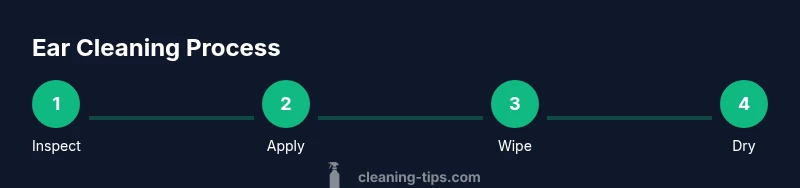
Inspect the ears for signs of trouble
Gently part the ear flap and look for redness, swelling, discharge, or a strong odor. If you notice any of these signs, stop and seek veterinary guidance before proceeding.
Tip: Check both ears to ensure a consistent assessment. - 3
Apply the ear cleaner correctly
Tilt the dog’s head slightly and apply the cleaner into the ear opening as directed by the product label. Do not insert the bottle tip into the canal; you only need to moisten the ear opening.
Tip: Follow the label’s recommended amount; overuse can irritate the canal. - 4
Massage the base of the ear
Gently massage the ear base for 20-30 seconds to distribute the cleaner and loosen wax. This helps debris float to the opening for easier wiping.
Tip: Hold the head steady to prevent sudden head shakes. - 5
Wipe away debris from the outer ear
Use gauze or a soft cloth to wipe away loosened wax and debris from the visible parts of the ear. Avoid penetrating deep into the canal.
Tip: Use a fresh gauze square for each wipe to prevent re-contamination. - 6
Dry and observe post-cleaning
Lightly pat the outer ear dry and monitor your dog for comfort. Offer a treat and observe for the next 24 hours for signs of redness or discharge.
Tip: If shaking continues or the dog seems distressed, stop and reassess.
Questions & Answers
How often should I clean my dog's ears?
Frequency depends on the dog’s ear type, activity, and history. Healthy ears may be cleaned on a regular schedule (often monthly or per vet guidance). If your dog has a history of infections or heavy wax, more frequent checks may be needed under veterinary supervision.
Cleanings should fit your dog's needs; consult your vet to tailor a schedule.
Can I use hydrogen peroxide to clean ears?
Hydrogen peroxide can irritate the ear canal and is not recommended for routine cleaning. Use a canine ear cleaner prescribed or approved by your vet.
Avoid hydrogen peroxide in routine cleaning unless your vet says otherwise.
Are cotton swabs safe for dogs?
No. Do not insert cotton swabs into the ear canal. Use gauze to wipe the outer ear only, leaving the canal undisturbed.
Cotton swabs can cause damage if pushed into the canal.
What are signs of an ear infection I should look for?
Redness, swelling, persistent odor, discharge, head shaking, or scratching at the ear are common infection signs. If you notice these, seek veterinary advice.
Look for redness or discharge, and consult a vet if you’re unsure.
What should I do if my dog is very distressed during cleaning?
Pause the session, give a treat, and try a slower, gentler approach. If distress persists, stop and seek help from a professional.
If your dog is upset, stop and regroup before trying again.
When is it essential to seek emergency care?
If there is severe pain, swelling, bleeding, or signs of extreme distress, seek immediate veterinary care.
Go to an emergency vet if your dog seems to be in severe pain or distress.
Watch Video
The Essentials
- Use dog-safe cleaners and follow label directions
- Never insert cotton swabs into the ear canal
- Inspect ears before cleaning and stop if red or painful
- Wipe only the outer ear; avoid deep cleaning
- Reward calm behavior and monitor for infection signs