What Clean Rust Off Metal: A Practical How-To Guide
Learn practical, safe methods to remove rust from metal surfaces, plus prevention tips, tools, and step-by-step guidance for homeowners and renters.


You can remove rust from metal by applying a two-phase approach: first loosen and scrub away the corrosion with safe mechanical or chemical methods, then seal and protect the surface to prevent return. Begin with mild options such as scrubbing, vinegar, or baking soda, and only use stronger products if needed and with proper safety. This guide shows practical steps for homeowners and renters.
Understanding rust on metal
Rust forms when iron or steel reacts with oxygen in the presence of moisture. Over time, this oxidation creates iron oxide, a flaky, reddish coating that can weaken metal surfaces if left untreated. According to Cleaning Tips, most household rust is preventable and reversible with a careful two-phase approach: remove the corrosion, then protect the surface to slow recurrence. The goal is not only to eliminate the visible rust but also to interrupt the underlying chemistry—drying the surface, removing moisture sources, and applying a protective layer afterward. In practice, rust removal works best when you adjust methods to the metal type, the severity of the corrosion, and the intended use of the item (indoor vs. outdoor, load-bearing vs. cosmetic).
Not all metal surfaces rust the same: metal types and surface conditions matter
Different metals react differently to rust risk. Ferrous metals like plain steel and cast iron rust readily, while stainless steel contains chromium to slow corrosion but isn’t immune. Aluminum forms aluminum oxide, which can protect but also hide pitting if moisture is trapped. The surface finish matters; painted, powder-coated, or galvanized layers change how you approach rust. If the item is household hardware, patio furniture, or automotive parts, the approach should be tailored. Cleaning Tips analysis shows that light surface rust on steel responds well to gentle methods; deeper pitting may require more aggressive steps or professional evaluation. Before you start, inspect for cracks, flaking paint, or rust-through that indicates structural compromise. If structure is compromised, do not rely on DIY removal—consider replacement or professional treatment. This assessment helps you choose between safe, non-chemical methods and targeted chemical rust removers.
Gentle, non-chemical rust-busting options
For mild rust, start with non-chemical methods that keep metal intact and free from harsh fumes. White vinegar and lemon juice introduce acetic and citric acids that help dissolve iron oxide without aggressive abrasion. Cleaning Tips analysis shows vinegar-based methods are effective on light rust when applied correctly and left to soak. Begin by soaking small parts in a vinegar solution (or applying a warm, damp cloth saturated with vinegar) for 15–60 minutes, then scrub with a soft-bristle brush. For larger items, spray or wipe with vinegar and let it work, repeating as needed. If you prefer a gentle paste, mix baking soda with water to form a thick slurry and apply to a rust spot, then scrub with a damp cloth. Always rinse, dry thoroughly, and inspect for remaining residue. Non-chemical methods are safer for beginners and for items with decorative coatings.
Mechanical removal techniques
Mechanical rust removal relies on friction and abrasion to lift corrosion from the surface. Start with a soft-bristle brush or nylon pad for delicate finishes. Progress to a copper or brass brush on more stubborn spots, then finish with medium-grit sandpaper (e.g., 120–150 grit) for a smooth surface. For heavy rust, a wire brush can be effective, but test on a small area first to avoid gouging. In all cases, work with the metal supported and wear gloves to protect hands. Rinse with clean water and dry completely to prevent flash rust. Following mechanical steps, wipe the area with a clean cloth to remove particles before moving to chemical treatments if needed.
Chemical rust removers: use and safety considerations
Chemicals designed to dissolve rust (often containing phosphoric acid or oxalic acid) can dramatically speed up removal for larger areas or deeper corrosion. Always follow label directions, use in a well-ventilated area, and wear appropriate PPE (gloves, eye protection). Avoid mixing acids with bleach or ammonia, which can release dangerous gases. For most home projects, start with milder agents and test on a hidden spot first. If the rust is extensive or on load-bearing parts, consider professional treatment or replacement rather than DIY fixes. When using chemicals, work in short intervals, rinse thoroughly, and dry the metal completely to prevent rebound rust.
Step-by-Step plan for a safe DIY rust cleanup
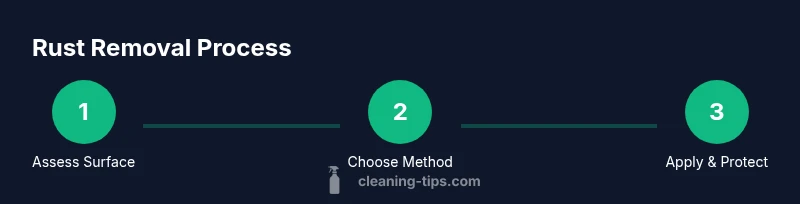
A structured plan reduces guesswork and improves results. Begin with safety prep and surface inspection, then choose appropriate methods based on rust depth and metal type. Apply non-chemical approaches first for light rust; escalate to chemical removers only if necessary. Finish with a protective coating to slow future oxidation and extend the metal’s life. Documentation of the process helps you repeat or adjust for future maintenance. Regular maintenance and proper drying are essential to keep surfaces rust-free.
Protection and prevention after cleaning
Once rust is removed, sealing and protection are crucial. Apply a rust-inhibiting primer or rust converter for iron or steel, followed by paint, powder coating, or a clear sealant suitable for the intended environment. For outdoor items, consider a weather-resistant finish and store or cover components exposed to moisture. Regular cleaning and drying, plus prompt attention to new spots, will slow recurrence. Reinspect treated areas every few weeks during the first year and reapply protective layers as needed. Preventive steps such as removing salts from outdoor metal and addressing humidity in storage areas can make a big difference.
When to seek professional help or replacement
Some rust problems exceed DIY capacity, especially when structural integrity is compromised, pitting is extensive, or coatings fail to protect after treatment. In such cases, consult a metal specialist or fabricator to assess whether repair, recoating, or part replacement is the safest option. For consumer items like tools and appliances with critical load-bearing roles, weigh the cost of professional restoration against replacement. With severe rust, safety should take priority over aesthetics, and a long-term solution might involve upgrading to corrosion-resistant materials.
AUTHORITY SOURCES
- https://www.osha.gov
- https://www.nist.gov
- https://www.britannica.com
Tools & Materials
- steel wool pad(Fine grade for delicate surfaces; avoid scratches on polished finishes)
- wire brush(Sturdy handle; use on flat surfaces, test on hidden area first)
- sandpaper (grit 120–150)(For smoothing and removing stubborn rust; pair with a sanding block)
- white vinegar(Mild acid for soaking or wet applications)
- lemon juice(Alternative natural acid for mild rust)
- baking soda(Create a paste for gentle abrasion)
- rust remover product(Follow label directions; use in well-ventilated area)
- protective gloves(Nitrile or latex; protects skin from acids and dust)
- eye protection(Goggles or safety glasses required)
- rags or microfiber towels(For wiping and drying surfaces)
- bucket or basin(For soaking small parts; ensure it’s large enough)
Steps
Estimated time: 45-90 minutes
- 1
Assess the rusted surface
Begin with a visual inspection of the metal: note depth of rust, presence of paint or coatings, and any signs of structural weakness. Gather your safety gear and choose a method aligned with the metal type. This initial step saves you from unnecessary work and helps tailor the approach.
Tip: Document any corrosion spots so you can track progress later. - 2
Choose a gentle method first
If rust is superficial, try non-chemical approaches like vinegar soak or baking soda paste. Apply and let sit, then scrub with a soft brush. Rinse and dry completely before deciding if a stronger method is needed.
Tip: Always test on a small hidden area before wide-area application. - 3
Apply a mechanical method
For more stubborn rust, use a nylon or brass brush, then progress to light sanding with 120–150 grit. Work with steady strokes and patience to avoid gouging the metal. Clean dust between passes.
Tip: Keep the surface dry to prevent flash rust during the process. - 4
Consider a chemical rust remover
If mechanical steps aren’t enough, apply a rust-removing chemical per the product label, in a ventilated space, with PPE. Rinse thoroughly to remove any residue.
Tip: Never mix cleaning chemicals; always read the label and follow safety instructions. - 5
Rinse, dry, and inspect
After final cleaning, rinse with clean water and dry with a towel. Inspect for remaining rust; repeat steps if needed. This ensures you aren’t sealing in moisture.
Tip: Drying completely reduces the chance of quick re-rust. - 6
Protect the cleaned surface
Apply a rust-inhibiting primer or protective coating suitable for indoor or outdoor use, then finish with paint, sealant, or clear coat. This step slows future oxidation and extends life.
Tip: Choose coatings compatible with the metal type and environment.
Questions & Answers
What is the fastest way to remove light surface rust?
Light rust often responds to non-chemical methods like a vinegar soak or lemon juice application followed by gentle scrubbing. Rinse and dry, then apply protective coating to prevent recurrence.
For light rust, start with a vinegar soak and a gentle scrub, then seal the surface to slow recurrence.
Can vinegar damage aluminum or galvanized steel?
Vinegar can etch some aluminum finishes and may react differently with galvanized coatings. Test on a small area first and use milder approaches or alternative methods on sensitive surfaces.
Test first on a hidden spot; if unsure, use milder methods.
Is it safe to use steel wool on painted surfaces?
Steel wool can scratch and remove paint. Use only on bare metal or very cautiously on uncoated areas. If in doubt, opt for nylon brushes or protect the painted sections.
Avoid steel wool on painted areas to prevent scratches.
What protective coating should I use after rust removal?
Choose a rust-inhibiting primer and a compatible topcoat (paint or clear sealant) suited to indoor or outdoor use. This protects the metal and slows future rust.
Apply primer and topcoat for long-lasting protection.
When should I replace instead of restore?
If the rust has caused significant structural damage or if the cost of restoration exceeds the value of the item, replacement is the safer option.
If the metal is structurally weakened, replacement is wiser.
Can rust be permanently removed from all metals?
Some rust can be reduced or halted, but deep pits and weakened metals may require ongoing maintenance or replacement. Always assess the material’s integrity.
Some rust can be managed, but not always fully reversed.
Watch Video
The Essentials
- Act quickly to prevent deep rust pits
- Start with non-chemical methods for mild rust
- Always dry surfaces thoroughly after cleaning
- Protect cleaned metal with a coating to slow recurrence