Can You Get a Clean Title From a Rebuilt Title: A Practical Guide
Explore whether a rebuilt title can become a clean title, what factors influence the outcome, and step-by-step actions to pursue a compliant title change with practical tips from Cleaning Tips.


Can you get a clean title from a rebuilt title? In many places, yes, but only after meeting strict state requirements, passing inspections, and resolving any liens. This process is not automatic and timelines vary. According to Cleaning Tips, understanding branding terms and coordinating with the DMV are essential first steps to a compliant title outcome.
What a clean title means in practice
When people ask can you get a clean title from a rebuilt title, they want to know if it's possible to remove the Salvage or Rebuilt brand from the vehicle's official record. A clean title signals that the car has not carried a branded history in the public record, making financing and resale easier in many cases. But the path from rebuilt to clean is not universal; it depends on how your state or province defines and handles branding, inspections, and documentation. According to Cleaning Tips, understanding the terminology—salvage, rebuilt, rebuilt with a brand, and clean—helps buyers navigate expectations and avoid misinterpretations. The Cleaning Tips team found that even when an inspection confirms solid repairs, a brand can linger if the process to erase it has not been completed through the proper channels. This block sets the stage for practical steps that follow and clarifies what terms to ask about at the DMV or equivalent agency.
Why brands exist and what “clean title” really means
Branded titles exist to flag vehicles with a history that may affect safety, reliability, or value. A clean title is typically viewed by lenders and insurers as a straightforward ownership record with no active brand. The challenge with rebuilt titles is ensuring the full history is transparent to future buyers. Cleaning Tips notes that, in practice, a title can become clean only after regulators verify repairs, certify roadworthiness, and officially update the record. Buyers should not assume automatic erasure of branding after repairs; each jurisdiction has its own process and thresholds.
The role of authorities and who keeps the record
Title branding is maintained by state or provincial motor vehicle agencies, and sometimes by third-party title databases. Because agencies differ, the same vehicle could have different outcomes depending on location. The DMV or equivalent agency evaluates documentation, inspection results, and lien status before deciding whether to remove or modify a brand. In some places, the brand may be permanent if the damage category is severe, while others allow removal after compliance checks. Understanding who issues the title and what tests are required helps set realistic expectations.
How inspections and appraisals shape the outcome
Inspections are a gatekeeper in the path from a rebuilt title to a clean title. A certified inspector will verify that the repairs meet safety standards and that the vehicle is roadworthy. Appraisals can influence a lender’s willingness to support a corrected title, especially if financing is involved. The criteria and required tests vary by jurisdiction, with some regions requiring emissions testing, brake system verification, frame integrity checks, and airbag system validation. Thorough inspections increase the likelihood of a favorable outcome, but poor documentation or gaps in repair history can derail the process.
The practical steps to pursue a title correction
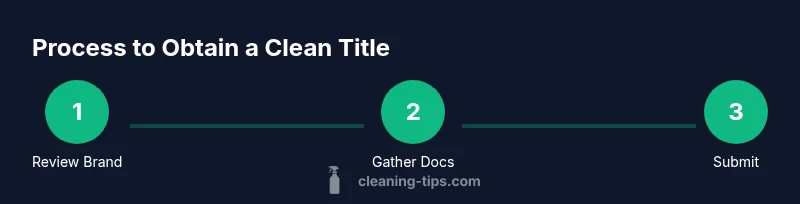
Pursuing a title correction involves a formal process with the DMV or its equivalent. Start by confirming the exact checklist for your location, then gather repair receipts, lien releases, a bill of sale, and any mechanic certification. A VIN verification and an official inspection are often required. If a court order or administrative review is necessary, you’ll need to follow those procedures as well. Throughout, keep copies of everything and maintain a clear record of communications with the agency and any service providers.
Documentation you’ll need (detailed list)
Preparation is the key to avoiding delays. Collect the original title and all branded documents, repair invoices that clearly show the work performed, parts receipts, and warranty statements. Include a vehicle history report, lien payoff letters, and proof of insurance. Have photos of damage and repairs ready, plus a certified mechanic’s statement affirming that repairs were completed to a standard and that the vehicle is roadworthy. Confirm with the DMV the exact documents required for your case, as requirements vary by jurisdiction.
Costs and timelines you should expect
Costs and timelines vary widely by state and by the complexity of the case. You may encounter filing fees, inspection fees, and lien processing charges. Processing times can range from several weeks to a few months, depending on backlog and whether documents require corrections. Plan for potential re-submissions and keep a buffer for delays. Staying organized and maintaining open communication with the issuing agency helps manage expectations and reduces surprises.
Common myths that can mislead you
One common myth is that a rebuilt title automatically becomes clean after an inspection. Reality is more nuanced: branding decisions depend on regulatory rules and documentation quality. Another misconception is that any repair performed by any shop is acceptable; many programs require licensed professionals and traceable work. Believing that a court order is always necessary can lead to unnecessary legal steps. Clarifying these myths helps you pursue the official route efficiently.
Practical tips for buyers and sellers
Whether you’re buying or selling, your goal is transparency and compliance. Ask the seller for a complete repair history, including technician licenses and proof of inspections. For buyers, request written guidelines from your DMV and ensure all disclosures are clear. For both parties, avoid shortcuts or unverified endorsements that promise a guaranteed clean title, and lean on official processes instead. As rules evolve in 2026, double-check current requirements and expected timelines with primary government sources.
Closing thoughts on staying informed and compliant
The journey from a rebuilt title to a clean title is a regulatory process, not a shortcut. Your best strategy is to rely on official forms, certified inspections, and documented lien clearance. Keeping thorough records protects you against back-and-forth disputes and helps preserve the vehicle’s value over time. Cleaning Tips emphasizes sticking to verified procedures and maintaining ongoing communication with the DMV to avoid delays and ensure you meet all criteria for a compliant title.
AUTHORITY SOURCES and where to learn more
To deepen your understanding, consult official sources: the National Highway Traffic Safety Administration (https://www.nhtsa.gov), the National Motor Vehicle Title Information System (https://www NMVTIS.gov), and the USA government guide on vehicle titles (https://www.usa.gov/vehicle-titles). These resources provide policy context, forms, and state-by-state variations that influence whether a rebuilt title can become clean.
Tools & Materials
- Vehicle history report(Obtain from a trusted source and review all branded events.)
- Official title application forms(Check the exact forms required by your state DMV.)
- Repair receipts and invoices(Include detailed itemization and vendor information.)
- Mechanic certification or letter(Certify repairs meet safety standards and roadworthiness.)
- Lien release documents(Provide payoff letters or lien clearance from lenders.)
- Odometer disclosure statement(May be required for certain age ranges; confirm with DMV.)
- VIN verification tools(Some jurisdictions require an in-person VIN check.)
- Photos of repairs(Useful to demonstrate the scope and quality of work.)
- Proof of insurance(Documentation for vehicle during the process.)
Steps
Estimated time: 2-8 weeks
- 1
Identify current title status
Review the existing title to confirm the current brand and exact language used (e.g., Salvage, Rebuilt). Note the jurisdiction and its rules for brand removal.
Tip: Take a high-quality photo of the title page for reference before submitting documents. - 2
Order a complete vehicle history report
Obtain a detailed history showing all brands, incidents, repairs, and ownership changes. This helps you anticipate requirements and present a clear repair story.
Tip: Cross-check the history against repair invoices to ensure consistency. - 3
Gather all repair documentation
Collect repair invoices, parts receipts, and any warranty statements tied to the repairs that addressed the branded condition.
Tip: Organize by date and repair shop; a single binder speeds review. - 4
Confirm your state’s exact requirements
Contact the DMV or equivalent agency to obtain a current checklist; requirements change and vary by jurisdiction.
Tip: Ask specifically about VIN verification, inspections, and lien rules. - 5
Resolve any liens
If a lien is outstanding, obtain lien release or payoff documentation before submitting the title change request.
Tip: Do not submit until lien status is fully resolved. - 6
Schedule required inspections and verifications
Book the official safety inspection and any emissions tests if applicable; ensure the vehicle is roadworthy for the test.
Tip: Confirm the inspection scope in advance to avoid surprises. - 7
Prepare the title application package
Assemble all forms, checks, identifications, and supporting documents in one organized submission.
Tip: Create a checklist to verify every item before mailing or presenting in person. - 8
Submit documents to the appropriate agency
Provide the package to the DMV or registrar. Ask for a receipt of submission and a tracking timeline.
Tip: Keep copies of everything and note any reference numbers. - 9
Monitor progress and respond to requests
If the agency asks for corrections or additional docs, respond promptly to avoid delays.
Tip: Set calendar reminders for review dates and expected deadlines. - 10
Receive preliminary decision and address deficiencies
If the title change is conditionally approved, complete any outstanding items promptly to finalize.
Tip: Double-check the final brand language on the new title. - 11
Obtain the final title and keep records
Receive the clean title (or updated branded title) and store it with all related documents for future reference.
Tip: Scan and back up the final title and related paperwork. - 12
Verify ongoing compliance and resale readiness
Confirm the title status in the official record is updated and communicate with your insurer and lender as needed.
Tip: Respect the timeframes for any required disclosures during resale.
Questions & Answers
Is a rebuilt title the same as a salvage title?
A salvage title indicates extensive damage; a rebuilt title means it has been repaired and re-inspected. The brands are related but represent different stages in a vehicle's history. Depending on the jurisdiction, one may be more complicated to clear than the other.
A salvage title signals major damage, while rebuilt means it passed after repairs; both require official review to change.
Will a rebuilt title ever be completely clean?
In many places, a rebuilt title can become clean if the required inspections are satisfied and the agency approves removing the branded history. It is not guaranteed and depends on local rules and documentation quality.
It can become clean, but it depends on meeting all local requirements and inspections.
How long does the process usually take?
Timeline varies by jurisdiction and case complexity. It may take a few weeks to several months, especially if documents require corrections or there are lien complexities.
It can take weeks to months, depending on the rules and paperwork.
Does a dealer guarantee a clean title?
No reputable dealer should guarantee a clean title for a rebuilt vehicle. Only official agency action can remove a brand, and timing depends on local processes.
Dealers shouldn’t promise a guaranteed clean title; rely on official channels.
What should I do if the title remains branded after inspection?
Review the agency’s feedback, address any deficiencies, gather new supporting docs, and re-submit. If unresolved, seeking legal counsel or a title specialist may be appropriate.
If it stays, follow up with the agency and get help if needed.
Watch Video
The Essentials
- Understand your title branding terms.
- Gather complete repair documentation before applying.
- Expect state-specific rules and timelines.
- Use official channels to pursue a title change.
- Keep organized records to avoid delays.