Can You Put Cleaning Solution in a Steam Mop: A Practical Guide
Learn whether steam mops can use cleaning solutions, when to dilute, risks, and safe methods. A practical, step-by-step guide from Cleaning Tips.


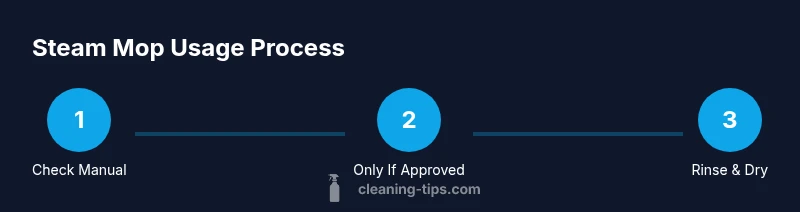
In most cases you should not add cleaning solutions to a steam mop unless the manufacturer explicitly allows it. Steam mops rely on pure water to generate steam; cleaners can damage seals, leave residues, and may void warranties. Always consult your manual and use only manufacturer-approved liquids if permitted. The Cleaning Tips team emphasizes following official guidance.
Why Steam Mops and Cleaning Solutions Interact
Steam mops are designed to heat water to generate a cleaning steam that loosens dirt from floors. They are designed to work with water-only in many models. The question 'can you put cleaning solution in a steam mop' comes up frequently, and the safe answer is: only if the manufacturer explicitly allows it. Most manufacturers advise water-only operation. Using cleaning solutions can foam inside the reservoir, travel lines, or nozzle, leading to clogs, gaskets wear, and reduced steam performance. Some cleaners may react with pump components or rubber seals, accelerating wear and potentially voiding warranties. Additionally, residue from detergents can transfer to floors, leaving streaks or a slippery film that defeats the purpose of steam cleaning. When this happens, you may end up needing more effort to remove sticky spots later. The Cleaning Tips team emphasizes sticking to the official guidance from your model's manual and only use liquids that are specifically approved.
Manufacturer Guidance You Should Follow
The safest approach is to rely on explicit statements from the device maker. Many popular steam mop manuals cite 'water only' or 'use only a designated solution' and warn that other liquids can damage the heating element or corrosion-prone parts. If a manual clearly states that a cleaning solution is permissible, it will specify the exact product type, dilution ratio, and usage steps. If not, do not introduce cleaners into the reservoir. The Cleaning Tips analysis 2026 reiterates that following the manufacturer's instructions minimizes risk to your device and keeps floors clean without compromising safety.
What Happens When You Add Cleaner to a Steam Mop
Adding a cleaning solution can change how steam behaves and interact with floor surfaces. Detergents may foam, creating air pockets in the heater system and leading to inconsistent steam output or leaks. Some cleaners leave a film that makes floors feel slick and attract more dirt, counteracting the goal of steam cleaning. Chemical residues can also mix with dirt to create stubborn stains that are harder to remove later. More importantly, cleaners are not tested for compatibility with every steam mop's seal, gasket, or plastic components, and long-term exposure can cause cracking or softening. For a homeowner, this often results in extra maintenance and higher costs than simply sticking to water.
When It’s Ever Allowed to Use Cleaning Solutions
There are rare cases where a model is designed to accept a cleaning solution. In these cases, the manual will specify a non-foaming, water-based product that is safe for the device. The solution is typically highly diluted and may require a separate reservoir or a dedicated nozzle. If you see a label that says 'for use with steam cleaners' or 'designed for steam mops', you can proceed with caution. The key is to ensure the product is explicitly tested for steam devices and that you follow the exact dilution guidance. If your model doesn’t provide these instructions, err on the side of water-only to avoid damage.
How to Prepare a Safe Solution (If It’s Approved)
If your manufacturer allows a cleaning solution, prepare it exactly as directed. Use only the product specified and never improvise with household cleaners. Dilution is usually essential; measure the product with a clean cup and mix with water in the ratio given by the manual. Fill the reservoir only to the indicated maximum line, avoiding overfilling. Before cleaning a visible area, perform a patch test on an inconspicuous floor patch to confirm there’s no adverse reaction. Finally, run the steam mop on a low setting to observe any unusual noises or signs of over-foaming before proceeding to broader cleaning.
Maintenance and Care After Using Liquids (or After a Water-Only Run)
After finishing, flush the system with plain water to remove any residual cleaner if permitted; otherwise, simply use water to rinse. Detach and rinse the mop head and cleaning pads thoroughly to prevent staining or residue. Wipe down the exterior to remove any droplets and let pads dry completely before reusing. Regularly check hoses and seals for signs of wear, particularly after using liquids. Store the device in a dry environment to prevent mold or rust.
Alternatives to Cleaning Solutions for Stubborn Dirt
If your goal is tough stains or sticky residues, consider non-chemical methods first. Pre-treat with a small amount of water and a microfiber cloth to loosen grime, then finish with steam on a clean pad. For frequent heavy use, rely on high-quality microfiber pads and proper technique with water-only steam. When in doubt, test on a small area and stick to the manufacturer’s recommended method to avoid damage and ensure consistent results.
Safety, Testing, and Residue Management
Always ventilate the area when using steam; wear gloves if you have sensitive skin. Never mix cleaners with bleach or ammonia. If you see any residue on the floor after steam cleaning, switch to water-only cycles and re-wipe with a clean microfiber cloth. Avoid using the steam mop on surfaces that aren’t approved by the manufacturer; some floors can warp or become slippery. Regular maintenance reduces the risk of damage and keeps your steam mop running smoothly.
Quick Usage Checklist and Safety Reminders
- Read the user manual to confirm compatibility.
- Only use a cleaning solution if the manual explicitly allows it, and follow the exact dilution.
- Do a patch test on a hidden area before broader use.
- If unsure, operate with water only and save cleaners for traditional mopping.
- After use, rinse or flush per guidance, dry pads, and store in a dry area.
Tools & Materials
- Steam mop(Ensure model supports water-only use unless liquids are approved by the manufacturer.)
- Manufacturer-approved cleaning solution(Only if explicitly recommended by the manufacturer.)
- Water(Tap or distilled depending on local mineral content.)
- Measuring cup(For precise dilution if approved.)
- Microfiber cleaning pads(New or washable pads; replace when worn.)
- Soft cloth(For drying and residue removal.)
- Gloves(Protect hands during maintenance and testing.)
Steps
Estimated time: 30-45 minutes
- 1
Read the manual and confirm compatibility
Begin by locating your steam mop’s manual or official support page. Look for explicit statements about whether any cleaning solution is permitted. If the manual says water-only, do not add cleaners. If it mentions a specific safe product, note the exact name and dilution.
Tip: Always start with official guidance to avoid voiding warranties. - 2
Unplug and prepare the device
Power off the unit and disconnect from the power source before opening any compartments. Detach the mop head if needed for cleaning and to access the reservoir. Inspect hoses and seals for signs of wear.
Tip: Safety first: ensure the unit is cool before handling. - 3
Decide on liquid usage based on the manual
If the manual allows a solution, verify the exact product and dilution ratio. Do not improvise with household cleaners. If not allowed, skip to water-only operation.
Tip: Use only the approved product and follow the ratio strictly. - 4
Fill reservoir with water or approved solution
Pour water or the diluted cleaning solution up to the recommended max line. Do not overfill, which could cause leaks or excessive foaming. Recheck the cap and seals before reassembly.
Tip: Avoid spills by using a measuring cup and pouring slowly. - 5
Test on a small, inconspicuous area
Before cleaning a visible floor, run the device on a small patch to observe any adverse reactions such as residue or discoloration. If you notice issues, discontinue use and revert to water-only.
Tip: Patch testing prevents surprises on floors you care about. - 6
Clean floors with overlapping passes
Move the mop slowly over the floor in overlapping strokes to ensure even coverage. Do not hold the steam head in one spot for too long to avoid moisture damage to delicate surfaces.
Tip: Consistency and technique matter for best results. - 7
Rinse and dry after cleaning
If allowed, flush the system with plain water to remove any residual cleaner. Detach pads and rinse them thoroughly; let them dry before reuse.
Tip: Residue buildup can affect future cleaning performance. - 8
Store and maintain your steam mop
Wipe the unit dry, store in a dry area, and check seals regularly for wear. Replace pads as needed and keep the reservoir clean to prevent odor and buildup.
Tip: Regular maintenance extends device life.
Questions & Answers
Can I put any cleaning solution in a steam mop?
Not unless your model’s manual explicitly allows it. Most steam mops are designed for water only, and using other liquids can damage components and void warranties.
Usually no—only liquids approved by the manufacturer should be used.
What are the risks of adding cleaning solution to a steam mop?
Detergents can foam and clog the system, leave a slippery floor film, and cause residue buildup. Chemicals may also harm seals and reduce steam efficiency.
Foaming and residue removal issues are common risks.
How can I tell if my steam mop is compatible with cleaners?
Look for explicit statements in the user manual or manufacturer support pages. If there is no mention of cleaners, assume water-only is required.
If it’s not clearly approved, don’t use cleaners.
Are there safe alternatives to using cleaners in a steam mop?
Yes. Use water-only steam with high-quality microfiber pads and routine pad changes for effective cleaning without chemicals.
Water-only with good technique often works well.
Should I use vinegar in a steam mop?
Many manufacturers warn against vinegar; it can be corrosive and leave odors or residues. Check your manual for guidance.
Avoid vinegar unless your manual says it’s safe.
If I accidentally added cleaner, what should I do?
Turn off and unplug, drain if instructed, and flush with water-only if permitted. Rinse pads and allow them to dry.
Shut it down and rinse to avoid residue.
Watch Video
The Essentials
- Check your manual before adding liquids
- Only use liquids if the manufacturer explicitly permits them
- Test a patch before full use
- Rinse/dry after cleaning to prevent residue
- Avoid cleaners with bleach or ammonia in steam devices