How to clean AC drain line: a practical guide
Learn to safely clean the AC drain line, prevent clogs, and protect your home from mold and moisture with a practical, step-by-step guide from Cleaning Tips.


Learn how to clean a dirty AC drain line safely and prevent future clogs. This guide covers the exact tools, a proven step-by-step method, and safety tips to avoid mold and water damage. By following these steps, homeowners can restore proper drainage and extend the life of their cooling system. We also note when to call a licensed technician.
Why Cleaning the AC Drain Line Matters
A clogged condensate drain line can create a cascade of problems, from water damage to mold growth. The condensate produced by your air conditioner should flow through a dedicated drain line to an outdoor area or a condensate pump. When the line backs up, water may pool in the drain pan, overflow into ceilings or walls, and increase indoor humidity. Regularly cleaning the line helps prevent these issues and keeps your cooling system running efficiently. According to Cleaning Tips, routine drain-line maintenance reduces the risk of hidden moisture and odors, protecting your home environment and health. Understanding the basics of how the line works makes it easier to spot trouble early and act before costly repairs are needed.
Common causes of clogs and warning signs
Clogs form from mineral buildup (calcium, gypsum), algae, dust, and organic debris that collect at the trap or inside the line. A poorly maintained air filter can accelerate debris flow toward the drain. In warmer months you may notice signs such as standing water in the drain pan, a musty or sour odor, or reduced cooling efficiency. Gurgling sounds from the drain, water leaks around the air handler, or excess humidity in living spaces are red flags. If you see mold growth around the condensate line or smell mildew when the unit runs, it's time to clean or call a pro. Cleaning Tips analyses note that early detection makes maintenance easier and cheaper in the long run.
Tools, cleaners, and safety gear
Before you start, assemble the essential tools and safety gear. Having the right items on hand makes the process smoother and safer. Key tools include protective gloves, safety goggles, a wet/dry vacuum, a bucket, and towels to catch spills. A plastic bottle brush or pipe-cleaning brush helps loosen debris inside the line, while a flexible pipe snake can aid in stubborn blockages. For cleaners, choose mild agents such as white vinegar or hydrogen peroxide instead of harsh chemicals. A flashlight or headlamp helps you see into low, narrow spaces. Optional items like a small pry bar should be avoided near electrical components. Following these basics reduces the risk of injury and damage to your HVAC system.
Step-by-step overview
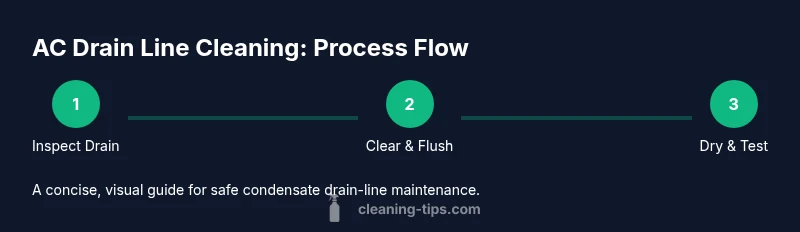
This guide presents a clear, safety-first approach to cleaning the condensate drain line. You’ll start by powering down the system, locating the line, and evaluating the trap and pan. Then you’ll remove standing water, loosen debris, and flush the line with a safe cleaner. Finally, you’ll inspect for leaks, dry the area, and test the unit to confirm proper drainage. Use the tools and cleaners described earlier for best results, and pause if you encounter persistent resistance or signs of mold. The steps below provide explicit actions in sequence to minimize guesswork.
Pro tips for tricky situations
- If you can’t access the line easily, don’t force it. Try a gentler brush or vacuum approach instead of prying with metal tools.
- Avoid mixing cleaners; choose one safe option (vinegar or hydrogen peroxide) and follow recommended dilutions.
- Keep the space well ventilated and wear eye protection to prevent splashes from splatter.
- If the drain line runs to a pump, ensure the pump intake isn’t clogged and test intermittently to confirm flow.
- After cleaning, run the AC for a short time and recheck the drain pan for any signs of standing water or overflow.
Prevention strategies to keep line clear year-round
Prevention is easier than repeated cleaning. Replace or clean the air filter every one to three months during heavy-use periods. Use a high-quality condensate line cover and ensure the drain line slope remains unobstructed for proper drainage. Consider a routine seasonal flush with a safe cleaner, and keep the area around the indoor air handler free of dust and debris. If you have a condensate pump, test it monthly and verify its float switch works correctly to prevent overflow.
When to involve a professional
Some situations are best handled by a licensed HVAC technician. If you consistently see standing water despite cleaning, notice persistent mold or foul odors, hear unusual grinding noises from the unit, or encounter electrical grounding concerns near the condenser, stop and call a professional. A pro can perform a thorough drain-line inspection, check for pressure issues, and safely service components that require specialized tools.
Real-world scenarios and case studies
In residential homes, a homeowner once found a musty odor only when the AC was running on hot days. After cleaning the drain line and replacing a dirty filter, the odor disappeared and airflow improved. In another case, a clogged line led to water pooling in the utility room ceiling; a quick flush and cleaning restored proper drainage and prevented further damage. These examples illustrate how regular maintenance and early intervention protect property from moisture-related problems and costly repairs.
Tools & Materials
- Protective gloves (nitrile)(to protect hands from bacteria and cleaning solutions)
- Safety goggles(to protect eyes from splashes)
- Wet/dry vacuum (shop vac)(for removing standing water and sludge)
- Bucket and towels(to catch spills and dry the area)
- Plastic bottle brush or pipe-cleaning brush(to loosen debris inside the line)
- Flexible pipe snake (optional)(for stubborn blockages)
- White vinegar or hydrogen peroxide(safe, mild cleaners; avoid mixing with bleach)
- Flashlight or headlamp(to improve visibility in tight spaces)
Steps
Estimated time: 45-60 minutes
- 1
Power down and prep
Shut off the HVAC circuit at the main panel and switch off the thermostat. Clear the area around the unit and lay towels to catch any spills. Wear gloves and goggles for protection.
Tip: Keep a dry workspace and unplug at the thermostat for safety. - 2
Locate drain line and trap
Find the condensate drain line running from the indoor unit toward the outside. Inspect the drain pan and any visible trap for early signs of blockage or standing water.
Tip: Use a flashlight to see inside the line’s opening. - 3
Remove standing water
Use the wet/dry vacuum to extract standing water from the drain pan and line entry. This reduces splash and makes the line easier to work with.
Tip: Do not run the vacuum while the line is plugged; remove loose material first. - 4
Loosen and flush
Gently brush the line and trap with a bottle brush to loosen debris. Flush with a small amount of distilled white vinegar or hydrogen peroxide, followed by clean water to push residue out.
Tip: Avoid heavy chemical cleaners; stick to mild, safe agents. - 5
Inspect and dry
Check for remaining clogs and signs of mold. Dry the area thoroughly using towels and confirm there’s no standing water.
Tip: Ventilate the area to reduce moisture lingering in the cabinet. - 6
Test the system
Restore power and run the AC for a short cycle. Observe the drain line and pan for normal drainage and any leaks.
Tip: If there’s unusual flow or no drainage, stop and consult a pro.
Questions & Answers
What causes an AC drain line clog?
Clogs form from mineral buildup, algae, and debris; a dirty filter can accelerate debris toward the line. Regular maintenance helps prevent buildup.
Clogs come from mineral buildup, algae, and debris; a dirty filter speeds it up. Regular maintenance helps prevent buildup.
Can I use bleach to clean the drain line?
Bleach is not recommended for AC drain lines because it can corrode components and create fumes. Use safer alternatives like vinegar or hydrogen peroxide with adequate ventilation.
Bleach isn’t recommended for AC drain lines. Use safer options like vinegar or hydrogen peroxide with good ventilation.
Is DIY cleaning safe or should I hire a pro?
For minor clogs and routine maintenance, DIY cleaning is typically safe when you follow proper safety steps. If you notice mold, persistent leaks, or electrical concerns, contact a professional.
DIY can be safe for simple clogs, but call a pro if you see mold or electrical issues.
How often should I clean the AC drain line?
Aim for a routine check during the cooling season and after periods of high humidity. Regular maintenance reduces the chance of repeated clogs.
Check and flush as part of your seasonal maintenance, especially in humid periods.
What signs indicate a clogged line besides puddling?
Look for musty odors, reduced airflow, dampness around the unit, or visible mold near the condensate line. These signals warrant investigation.
Musty smells, dampness, or mold near the line are red flags.
What should I do if I see mold around the condensate drain?
Do not delay cleaning and ventilation. Consider professional assessment if mold persists or spreads beyond the immediate drain area.
If you see persistent mold, call a pro for a thorough assessment.
Watch Video
The Essentials
- Inspect regularly to prevent mold and water damage
- Use safe cleaners like vinegar or hydrogen peroxide
- Avoid mixing cleaners and always vent the area
- If unsure, call a professional before attempting complex repairs