How to Clean an HVAC Drain Line: A Practical Guide
Learn how to clean an HVAC condensate drain line safely with a DIY step-by-step approach, essential tools, and prevention tips to prevent clogs and mold.


This quick guide shows you how to clean hvac drain line safely, remove clogs, flush the line, and prevent future problems. You’ll learn step-by-step actions, required tools, and safety checks. Follow these steps to keep your condensate system running efficiently. This guide emphasizes safety, minimal disruption to your system, and practical DIY tactics suitable for homeowners.
What is a clean hvac drain line and why it matters
According to Cleaning Tips, the HVAC condensate drain line is a small but critical pathway that removes moisture produced by your cooling system. When it clogs, water can back up into the drain pan, triggering overflow, mold growth, and higher humidity. A clean drain line keeps air quality steady, protects your home's structure, and reduces the risk of costly repairs. In homes with humid climates, neglecting this component can lead to persistent dampness and musty odors that linger long after you turn on the AC. This section explains how the drain line works, what a healthy line looks like, and the common causes of clogs such as mineral buildup, algae, and misdirected drainage. You’ll learn how to inspect for signs of trouble and prepare for a safe cleaning process.
Signs your HVAC drain line needs attention
This section helps you spot early warning signs of a clogged condensate line before a full failure occurs. Common indicators include standing water in the drain pan, moisture on the furnace cabinet, a rapid or gurgling noise from the drain line, and an AC that cycles off unusually or freezes due to humidity imbalance. Moldy odors near the air handler or near the return vent may indicate moisture lingering in the line or pan. If you notice a musty smell or damp spots on ceilings or walls beneath the unit, treat it seriously. Regular inspections are a smart habit, especially for households with pets, high humidity, or recent water events that could introduce debris into the drainage system.
How the cleaning process helps protect your home
A clean hvac drain line is part of a broader maintenance routine that supports indoor air quality and energy efficiency. When the line is clear, the condensate can flow freely to the exterior or into a designated drain; this prevents overflow and potential water damage. Cleaning the line also reduces the chance of microbial growth in the tray and along the pipe, which can contribute to odors and allergic reactions. The process you follow should be gentle yet effective, using safe cleaners and mechanical methods that won’t corrode the plastic or metal components. This section outlines the general approach, explains why each step matters, and helps you decide when to DIY and when to call a pro.
Tools, safety, and prep steps you should know
Before you start, gather tools that make the job safer and cleaner. Safety gloves protect your hands, eye protection guards against splashes, and a mask helps when you’re working with chemicals. Have a wet-dry vac ready to remove debris from the line, plus a flashlight to inspect inaccessible sections. You’ll also need a bucket, towels, a flexible drain snake or plumber’s auger (if accessible), and a hose for flushing. Prepare an area to catch wastewater, and turn off power to the furnace or air handler to avoid accidental shocks. Finally, set aside time for a thorough check of surrounding drainage systems to prevent repeated clogs.
Practical, tested methods to clean the line
There are several reputable methods to remove clogs and residues in a condensate drain line. A common DIY approach uses a wet-dry vac to suck out the blockage from the access point, followed by gentle flushing with warm water and a mild cleaning solution. For firmer blockages, a drain snake can be fed into the line with slow, steady pressure to break up debris. Some homeowners prefer a vinegar and warm water flush as a natural option; avoid mixing chemicals with bleach or ammonia. After clearing the line, flush thoroughly until the water runs clear and the trap is dry. This reduces residue and helps prevent future buildup.
Maintenance and prevention to last between cleanings
To reduce future clogs, implement a simple maintenance routine. Check the condensate drain line monthly for standing water and signs of slow drainage. Ensure the line slope directs water away from the unit, and clear the exterior outlet to avoid backflow. Consider installing a drain trap or an inline filter if your system is prone to debris; replace or clean it as recommended by the manufacturer. Use approved cleaners and avoid harsh acids that can corrode the drain pipes. Finally, schedule professional inspections as part of your seasonal maintenance plan.
Authority references and further reading
This section provides external references for deeper understanding and best practices. For general indoor air quality and moisture control, see EPA’s indoor air quality resources (https://www.epa.gov/indoor-air-quality) and ASHRAE guidelines (https://www.ashrae.org/standards). For HVAC system care and safe cleaning methods, consult Energy.gov’s maintenance tips (https://www.energy.gov/energysaver/maintaining-your-air-conditioner) and the CDC mold and dampness resources (https://www.cdc.gov/mold/dampness_rooms.html). These sources help homeowners make informed decisions about when DIY is appropriate and when to hire a professional.
Quick reference checklist for future cleanings
- Confirm access to the condensate line cleanout and drain pan.
- Gather safety gear: gloves, eye protection, and a mask.
- Test power at the breaker before touching any HVAC components.
- Use a wet-dry vac to remove debris, then flush with warm water.
- Document any signs of recurring clogs and consider professional inspection if needed.
Tools & Materials
- Safety gloves (nitrile)(Protect hands from cleaning solutions and debris)
- Eye protection(Goggles or safety glasses to shield from splashes)
- Wet-dry vacuum(Essential for removing line debris from the access point)
- Bucket(Catch wastewater and drips during cleaning)
- Towels or rags(Clean up spills and dry the line after flushing)
- Flexible drain snake or plumber’s auger(Use if accessible and you encounter stubborn blockages)
- Garden hose(Flush the line and test drainage flow)
- Mild cleaning solution or vinegar(Avoid harsh chemicals; do not mix with bleach)
- Flashlight(Inspect hard-to-see sections of the line)
Steps
Estimated time: 45-60 minutes
- 1
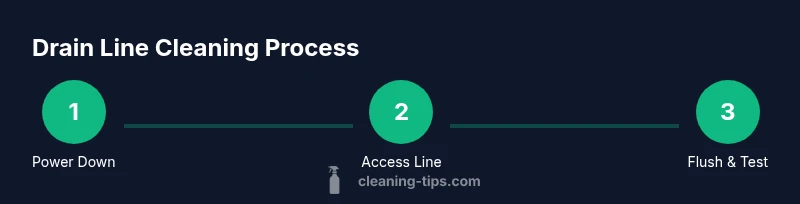
Power down and prepare safety measures
Shut off power to the furnace or air handler at the thermostat and breaker panel. This prevents shocks and accidental start-ups while you work. Put on safety gloves and eye protection before touching any components.
Tip: Double-check that both the thermostat and breaker are off before starting. - 2
Locate the drain line access and confirm drainage path
Find the condensate drain line and the drainage pan. Note where the line exits the unit and where it ends, so you know where to apply suction or flushing. Ensure the area around the line is clear of clutter.
Tip: Use a flashlight to inspect bends or joints that may hide debris. - 3
Prepare the work area and catch water
Place towels and a bucket to catch spills. Position the vacuum hose near the access point without sealing the line, to avoid pushing debris further. Have a dedicated area for drained liquid to prevent water damage nearby.
Tip: Keep a spill mat or tray under the exterior drain opening. - 4
Remove the clog with suction or mechanical means
If you can access the line end, use the wet-dry vac to pull out loose debris. For stubborn blockages, gently insert a drain snake and rotate to break up the clog. Do not force the snake beyond resistance.
Tip: Apply steady, gentle pressure; abrupt moves can damage fittings. - 5
Flush the line with a cleaning solution
Attach the garden hose and flush warm water through the line. You may add a mild cleaning solution or vinegar to help dissolve residue. Rinse until the water runs clear and the trap appears dry.
Tip: Do not mix cleaners with chlorine bleach or ammonia. - 6
Test and reassemble, then monitor
Restore power and run the HVAC system to verify condensate drains properly. Check the pan and exterior outlet for signs of overflow. Clean up the work area and document any recurring issues for future maintenance.
Tip: If you see repeated clogging, it may indicate larger system problems.
Questions & Answers
What is an HVAC condensate drain line and what does it do?
The condensate drain line carries water produced by the cooling process away from the system. Keeping it clear prevents water damage, mold, and poor indoor air quality.
The condensate drain line removes moisture from your AC. Keep it clear to avoid water damage and mold.
How often should I clean the drain line?
Frequency depends on usage and climate, but inspecting monthly during high humidity and cleaning every 6-12 months is a solid baseline.
Inspect monthly in hot, humid climates and clean every 6 to 12 months unless you notice issues.
Can I use bleach or harsh chemicals to clean the line?
Bleach is generally not recommended for condensate lines. Use mild cleaners or vinegar and water, and never mix cleaners with bleach or ammonia.
Avoid bleach and harsh cleaners. Use mild cleaners or vinegar and water instead.
What are signs of a clogged drain line?
Signs include standing water in the drain pan, damp or moldy odors near the unit, or water leakage around the furnace cabinet.
Look for standing water, damp smells, or leaks near the unit.
Is DIY cleaning safe for renters?
DIY steps are generally safe with proper precautions. If the unit is under warranty or you’re unsure, consider a licensed technician.
Yes, with care. If unsure or under warranty, hire a pro.
What if water keeps backing up after cleaning?
If backups persist, a larger blockage or a failing condensate pump may be involved. Stop using the system and contact a professional.
If it still backs up, stop using the system and call a pro.
Watch Video
The Essentials
- Identify the drain line and its path before starting.
- Use safety gear and de-energize the unit to prevent shocks.
- Clear the line with suction or a snake, then flush with warm water.
- Test the drain and maintain a regular cleaning schedule.