How to clean a dishwasher drain: a step-by-step guide
Learn a practical, safe method to clean a dishwasher drain. This guide covers when to act, what tools to use, step-by-step actions, maintenance tips, and when to call a professional.


This guide helps you clean a dishwasher drain safely and effectively. You’ll identify common clog causes, gather the right tools, follow a clear step-by-step process, and know when to call a plumber. Expect a thorough, practical approach that minimizes mess and downtime while protecting your appliance.
Why clean dishwasher drain matters
A clean dishwasher drain is essential for reliable drainage, odor control, and overall appliance performance. When debris builds up in the filter, sump, or drain hose, water may pool in the bottom, cycles can fail, and unpleasant smells can emerge from the cabinet. According to Cleaning Tips, routine maintenance reduces clogs and extends the life of your dishwasher. The Cleaning Tips team found that many drainage issues stem from neglecting the filter, improper loading, or using the wrong cleaning routines. In this section we’ll cover how drain design works, what blocks drains, and how a disciplined cleaning routine can prevent problems before they start. Expect practical checklists, model-agnostic steps, and safety reminders that keep both you and your appliance safe. This conversation centers on the goal of a clean dishwasher drain, minimized downtime, and fresh-smelling dishes after each cycle.
Common causes of a clogged dishwasher drain
Clogs don’t appear out of nowhere. They usually start with food particles, starch from pasta, and fibrous bits from vegetables that accumulate in the filter and sump. Over time, grease and soap scum form a sticky layer that binds debris together and narrows the drain path. Small objects from loading mistakes can slip into the drain, with the basket and spray arm area being common entry points. A malfunctioning air gap, a kinked hose, or a mis-seated filter can all restrict water flow and cause standing water. If you notice slow drainage, gurgling, or water backing up, you’re likely facing one or more of these culprits. Regular inspection of the filter and sump, plus mindful loading, dramatically reduces these risks.
Safety basics before you start
Before you begin any cleaning, power down the unit to avoid electric shock. Unplug the dishwasher or switch off the circuit breaker. If you’ll flush with hot water, shut off the hot water supply to limit scalding risk. Wear rubber gloves and use towels to catch spills. Keep children and pets away, and never mix cleaning products, which can create dangerous fumes. If you must work inside the sink area, ensure the area is well lit and dry. Finally, consult your model’s manual for any disassembly warnings or warranty implications. Following these precautions protects you and the appliance during the process.
A practical approach to cleaning the drain
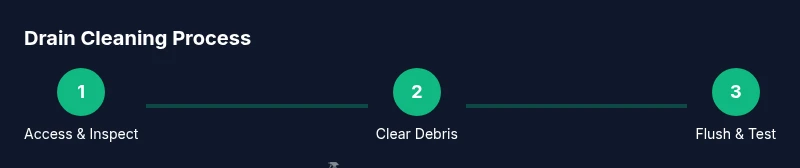
This section blends mechanical cleaning with safe cleaners that won’t harm seals. Start by removing the bottom rack to access the filter and drain area, using a flashlight to inspect the sump for visible debris. If you see large pieces, remove them with gloves or tongs. Then, use a flexible drain auger to break up or pull out deeper clogs by gently feeding it into the hose and rotating as needed. After dislodging the blockage, flush with hot water and run a short cycle with an enzyme-based cleaner designed for dishwashers. Rinse thoroughly, reassemble the filter, and run an empty cycle to confirm the drain is clear. For clarity, refer to a simple diagram or photo guide to visualize the path from the spray arms to the pump.
Chemical and natural cleaners: what to use and avoid
Avoid mixing bleach with ammonia or other cleaners; the combination can generate dangerous fumes. For a gentle flush, baking soda followed by hot water or a small amount of white vinegar can help, but use these with moderation and never in a sealed system. Enzyme-based cleaners formulated for dishwashers can effectively curb organic buildup without damaging seals. Check product labels for compatibility with stainless steel and plastic components. If stubborn buildup persists near the pump or trap, a dedicated dishwasher cleaner every few months may help. Remember that aggressive solvents can degrade rubber seals over time, so use sparingly and per the manufacturer’s instructions.
Step-by-step quick overview (overview, not full instructions)
Here’s a concise roadmap you can skim before diving in. Step 1: Power down and prep the area. Step 2: Remove the rack and filter, inspect for debris. Step 3: Use tongs to remove large pieces and a snake to clear the hose. Step 4: Rinse with hot water and run a test cycle. Step 5: Check for drainage and odors; if needed, repeat. Step 6: Clean the filter thoroughly and reassemble. Step 7: Run a final empty cycle to verify the path is clear. Step 8: Establish a monthly maintenance routine to prevent future clogs.
Maintenance routine to prevent future clogs
Adopt a simple, sustainable maintenance plan. Weekly: scrape, rinse, and keep the filter in place. Monthly: remove and clean the filter and wipe the sump. Quarterly: inspect hoses and spray arms for wear and signs of leaking. An easy, predictable routine reduces the chances of a clog and keeps your dishwasher smelling fresh. The goal is to create a habit that prevents buildup, rather than fighting a stubborn clog after it forms.
Troubleshooting stubborn clogs
If water still backs up after cleaning, the clog may be deeper in the drainage path or in the pump. Stop and reassess, and avoid forcing the auger if you feel resistance. In some models, check valves or internal pumps require special tools. If you cannot clear the clog after careful mechanical cleaning and flushing, it’s time to contact a plumber who can diagnose internal lines and assess potential leaks or valve issues.
Tools & Materials
- Rubber gloves(Protect hands from dirty water and debris)
- Bucket(Catch water and loosened debris)
- Flashlight(Allow visibility into sump and hose)
- Old towels or rags(Contain spills and dry surfaces)
- Tongs or BBQ tongs(Remove visible debris safely)
- Drain snake / flexible auger(Clear deeper clogs in hoses)
- Dish soap(Helpful for initial cleaning)
- Enzyme-based dishwasher cleaner(Safe for routine maintenance)
- White vinegar(Natural cleaner for minor buildup)
- Baking soda(Mild abrasive for freshening)
- Screwdriver (if needed)(For model-specific disassembly)
Steps
Estimated time: 45-60 minutes
- 1
Power down and prep
Unplug the dishwasher or switch off the circuit breaker. If you plan to flush with hot water, briefly shut off the hot water supply. Move the racks out of the way and lay towels to catch spills. This initial prep reduces the risk of electric shock and makes it easier to access the drain area.
Tip: Take a quick photo of the interior before disassembly to help with reassembly. - 2
Access the drain and filter
Remove the bottom rack and locate the dishwasher filter and sump area. Gently remove the filter cap or basket, depending on your model. Clear visible debris with gloved fingers or tongs, and set debris in the bucket.
Tip: Keep small parts organized in a tray to avoid losing pieces. - 3
Inspect the trap and hose
Use a flashlight to inspect the drain hose and trap for blockages. If you see obvious obstruction, remove it with tongs. Note any signs of leaks or kinks in the hose that could cause drainage issues.
Tip: If you feel resistance while pulling, stop to avoid damaging the hose. - 4
Run the drain auger
Gently feed the drain snake into the hose or trap, turning the handle to dislodge the clog. Retract slowly and pull out any debris you retrieve. Repeat until no more resistance is felt.
Tip: Do not force the auger too hard; breaking seals or hoses can cause bigger problems. - 5
Flush and test
Rinse the area with hot water and reinsert the filter. Run an empty cycle to flush the system. Check the drain output and listen for any abnormal sounds or backflow.
Tip: If odors persist, run a cycle with a dishwasher-safe cleaner labeled for your model. - 6
Reassemble and verify
Reassemble the filter and racks. Run a short cycle with dishes to verify proper drainage. If water drains normally and no leaks appear, you have completed the cleaning process.
Tip: Keep a log of when you cleaned the drain and any observations for future reference. - 7
Cleanup and maintenance
Wipe all surfaces dry, run an empty cycle again for good measure, and clean the filter monthly. Inspect hoses for wear and reseal any connections to prevent future leaks.
Tip: Schedule a quarterly maintenance reminder to prevent repeat clogs. - 8
Know when to escalate
If the drain remains clogged after mechanical cleaning and flushing, the clog could be deeper in the plumbing or in the pump. Do not force tools into places that could cause damage; call a professional.
Tip: Persistent clogs may indicate valve or pump issues requiring licensed help.
Questions & Answers
How often should I clean the dishwasher drain and filter?
Aim for a monthly filter clean and a quarterly drain flush or enzyme cleaning. Regular maintenance helps prevent buildup that leads to clogs.
Clean the filter monthly and flush the drain every few months to prevent clogs.
Can baking soda and vinegar clear clogs in a dishwasher drain?
Baking soda and vinegar can help with minor buildup, but they are not a guaranteed fix for deep clogs. Use them sparingly and follow with a hot water flush.
Baking soda and vinegar can help with light buildup but may not clear deep clogs. Use them carefully with hot water flushes.
What should I do if water still drains slowly after cleaning?
Check for deeper blockages in the hose or pump and consider using a drain snake. If problems persist, a professional plumber can diagnose internal components.
If drainage is still slow, inspect deeper in the hose or pump or call a pro.
Is it safe to use a plunger on a dishwasher drain?
Plungers are not typically recommended for dishwasher drains because of the risk of forcing water into the wrong pathways. Use a drain snake or manual removal of visible debris instead.
Plungers aren’t usually recommended. Try a snake or manual debris removal instead.
Should I remove the filter during cleaning?
Yes. Removing and cleaning the filter gives you direct access to the sump and drum, helping you remove trapped food and grease.
Yes, remove and clean the filter to access the sump.
When should I call a plumber?
If clogs persist after mechanical cleaning, if you notice leaks, or if you suspect a faulty pump or valve, call a licensed plumber. Electrical hazards also require professional attention.
Call a plumber if clogs persist or you suspect pump or valve issues.
Watch Video
The Essentials
- Inspect the filter monthly to prevent clogs
- Use a drain snake for deeper blockages
- Avoid chemical misuse in closed appliances
- Run maintenance cycles to verify drainage
- Schedule routine upkeep to minimize future issues