Clean Jewelry Ultrasonic Cleaner: A Step-by-Step Guide
Learn how to choose and use a clean jewelry ultrasonic cleaner safely, protect stones, and achieve sparkling results with a step-by-step guide from Cleaning Tips.


You will learn how to safely clean jewelry with an ultrasonic cleaner. This guide covers selecting the right cleaner, preparing pieces, running a cleaning cycle, rinsing, drying, and inspecting results. By following these steps, you can remove grime effectively while protecting settings and stones.
What is an ultrasonic jewelry cleaner?
Ultrasonic jewelry cleaners use high-frequency sound waves to create tiny bubbles in a cleaning solution. When those bubbles collapse, they generate micro-scrubbing action that lifts dirt from crevices brushing might miss. The result is a gentle but thorough cleaning for metal surfaces, settings, and many stones. According to Cleaning Tips, choosing the right cleaner and proper settings is essential to protect delicate pieces while maximizing results. For most jewelry made of gold, silver, and platinum, a mild solution and short cycles are effective; always start with the least aggressive cycle and test on a less valuable item if you’re unsure.
Why use an ultrasonic cleaner for jewelry?
One of the main reasons homeowners turn to ultrasonic cleaners is the ability to reach tiny crevices that brushing alone can't access. The oscillating energy creates microbubbles that gently lift dirt from prongs, under settings, and between cutouts without scrubbing or tangling delicate chains. For many metals like gold, silver, and platinum, ultrasonic cleaning provides a quick, thorough refresh that reveals brilliance that hand cleaning might miss. In addition, it reduces the time you spend on jewelry maintenance and helps keep settings tight by removing oils and residues that can loosen stones over time. Cleaning Tips notes that selecting the correct cleaner and solution is essential: read the manual, choose a cycle suitable for your piece, and avoid aggressive cycles on fragile items. However, not every piece is a good candidate. Soft stones and certain finishes can suffer from ultrasonic agitation, and glued components may loosen if cycled too aggressively. Pearls, opals, and some turquoise pieces require gentler, hand-cleaning methods. Always check with the jeweler or manufacturer if you are unsure about a specific stone or setting, and test with a non-valuable item before applying to precious pieces.
How to choose a clean jewelry ultrasonic cleaner
When selecting a cleaner, look for a model with a capacity that fits the types of jewelry you own (rings, bracelets, and small earrings). Frequency in the range of typical jewelry cleaners provides a balance between effectiveness and gentleness; higher frequency cleaners scrub more softly but may be slower for stubborn grime. A stainless-steel tank resists corrosion and is easier to sanitize, while a built-in heater can help loosen oily residues for tougher jobs. Check that the unit provides smooth operation, an adjustable timer, and a safe lid to minimize splashes. If you wear sensitive stones, seek a cleaner with a “low-power” or “gentle” cycle, and always start with the mildest setting. Read the manual to understand recommended solutions and ensure compatibility with the stones in your collection. Cleaning Tips recommends confirming warranty coverage and spending time reviewing customer feedback to gauge real-world performance.
Preparing your jewelry before cleaning
Before you start, inspect every piece for loose stones, damaged clasps, or fragile settings. Remove any pieces with glued elements or painted finishes that could be damaged by ultrasonic action. Group similar metals together, and place pieces in a protective rack or mesh basket to prevent them from knocking against one another. Remove all jewelry from jewelry boxes, and lay out a clean workspace with a towel or mat to catch spills. If you notice any loose stones upon inspection, do not proceed with cleaning; seek professional repair first. Cleaning Tips emphasizes that preparation greatly reduces the risk of damage and improves results.
Step-by-step usage guide (overview)
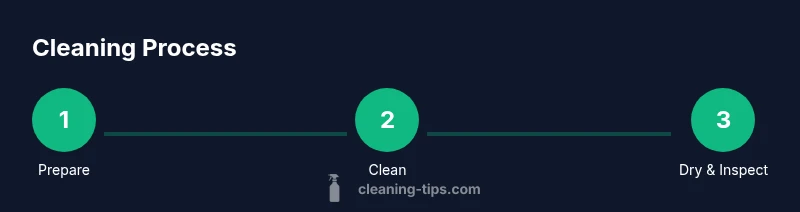
The following overview provides a practical framework for using an ultrasonic cleaner with jewelry. Always follow your specific model’s manual for exact steps and cycle times. Start with a mild solution and a short cycle, then adjust if necessary based on the level of soil and the sensitivity of stones.
Aftercare: drying, inspecting, and storing
After the cycle completes, remove the pieces promptly and rinse with clean water to remove any residual cleaning solution. Dry each piece thoroughly with a soft microfiber cloth, then allow air-drying in a clean, dust-free space. Inspect settings and stones for looseness or damage, and store pieces in a soft-lined box to prevent scratching. Regularly clean the cleaner’s interior and rinse containers to prevent residue buildup that could affect future cycles.
Common mistakes and how to avoid them
Avoid over-cleaning cycles and never use acidic or abrasive cleaners in the ultrasonic bath. Don’t clean soft stones (like pearls and opals) or glued components in an ultrasonic unit. Always test with a less valuable item if you’re unsure about a stone’s compatibility, and never mix different jewelry types in the same cycle. Use distilled water when possible to minimize mineral deposits that can dull metal over time.
Maintenance and troubleshooting for the cleaner
Keep the tank free of debris and perform periodic descaling if your model’s manufacturer recommends it. Replace the cleaning solution as needed, and clean the basket and lids regularly to prevent grime buildup. If the unit stops vibrating or becomes unusually loud, consult the user manual for troubleshooting steps or contact customer support.
Tools & Materials
- Ultrasonic jewelry cleaner(Choose a model with a small to medium tank that fits rings and bracelets)
- Jewelry cleaning solution or mild dish soap(Avoid harsh cleaners; opt for jewelry-specific solutions if available)
- Distilled water(Used for rinsing, reduces mineral deposits)
- Soft-bristle brush or toothbrush(For light brushing after the cycle)
- Lint-free cloth or microfiber towel(Drying and buffing)
- Small glass bowl(For rinsing pieces)
- Safety gloves(To protect hands when handling cleaning solutions)
Steps
Estimated time: 25-45 minutes
- 1
Set up your workspace
Clear the area, unplug the unit, and read the manual. This prevents spills and ensures you know the appropriate cycle settings for your model. Position the cleaner away from edge hazards and keep a timer handy.
Tip: Keep the unit on a stable, heat-resistant surface to prevent accidents. - 2
Prepare jewelry for cleaning
Inspect each piece for loose stones, damaged clasps, or fragile settings. Remove any jewelry that has glued-in stones or enamel that may be sensitive to agitation. Place pieces in a small basket or rack to keep them submerged.
Tip: Test on a less valuable piece if you’re unsure about a stone’s compatibility. - 3
Fill cleaner and select a mild cycle
Add the cleaning solution according to the manufacturer’s directions and fill with enough water to cover items. Choose the gentlest cycle first (short duration and low power) to minimize risk to delicate stones.
Tip: If your model has a heater, turn it off for delicate stones. - 4
Run the cleaning cycle
Lower the pieces into the basket so they don’t touch each other. Run the cycle for the recommended time, typically a few minutes. Remove items immediately when the cycle ends to avoid overexposure.
Tip: Never let stones contact each other during cleaning. - 5
Rinse and dry
Rinse pieces in clean distilled water or lukewarm tap water if distilled is unavailable. Pat dry with a lint-free cloth; allow to air-dry completely before storage to prevent water spots.
Tip: Avoid leaving metal surfaces wet for extended periods. - 6
Inspect and store
Check each piece for remaining grime or loosen stones. Store in a soft-lined jewelry box or pouch to prevent scratching. Wipe the cleaner’s interior after use and let it dry.
Tip: Keep a regular maintenance schedule for the cleaner.
Questions & Answers
Can I use ultrasonic cleaning on all jewelry?
Most gold, silver, and platinum pieces respond well to ultrasonic cleaning, but stones like pearls, opals, and those set with glue may be damaged. Always verify stone and setting compatibility.
Most metals respond well, but pearls and glued stones can be damaged; verify compatibility before cleaning.
Is ultrasonic cleaning safe for pearls and soft stones?
Ultrasonic cleaning is generally not recommended for pearls and many soft, porous stones. Hand cleaning with mild soap is safer for these pieces.
Pearls and soft stones are better cleaned by hand to avoid damage.
Can I use vinegar, ammonia, or bleach in the cleaner?
Avoid acidic or caustic cleaners in ultrasonic machines. Use mild dish soap or jewelry-specific solutions as recommended by the manufacturer.
Avoid harsh cleaners inside the ultrasonic cleaner; use mild soap.
How long should a cleaning cycle last?
Most cycles run 3-5 minutes for standard jewelry. Delicate pieces may require shorter cycles, while heavily soiled items may benefit from a second cycle after a brief rinse.
Typical cycles are short; adjust for delicacy and soil.
What should I do after cleaning?
Rinse, dry thoroughly, and inspect for any loose stones. Store pieces safely to prevent scratches and reuse the cleaner according to the manual.
Rinse, dry, and inspect; store safely.
Watch Video
The Essentials
- Choose the right cleaner and cycle for your pieces
- Prepare and separate jewelry to avoid damage
- Rinse and dry thoroughly after cleaning
- Inspect for loose stones and damage before storing
- Maintain the cleaner for long life