How to Clean a Pool Filter Cartridge: A Practical Guide
Learn how to clean a pool filter cartridge safely and effectively. This guide covers prep, soaking, scrubbing, reassembly, and maintenance to keep your pool water clear and the filtration system efficient.


To clean a pool filter cartridge, remove the cartridge from the filter housing, then rinse the pleats with a garden hose. Soak in a cartridge cleaner-approved solution, scrub gently, and rinse thoroughly. Inspect for damage, then reassemble and run the pump to flush the system. Regular cleaning extends filtration life and keeps water clear.
Why Clean Pool Filter Cartridge Matters
A clean pool filter cartridge is the heartbeat of a healthy swimming pool. When a cartridge is dirty, the pump has to work harder, reducing efficiency and increasing energy use. According to Cleaning Tips, maintaining clean cartridges helps preserve filter media, extends service life, and keeps your water clearer by improving particle capture. In most residential pools, the cartridge is designed to trap debris and organic matter; when it becomes clogged, flow is restricted, leading to higher pressure and less effective filtration. Regular cleaning removes built-up oils, sunscreen residues, and algae spores that can accumulate on pleated fabric. The result is better water circulation, more consistent chlorine distribution, and fewer backwashing requirements (if your system supports it). This section explains why you should clean rather than replace at the first sign of dirt, and how to recognize when a cartridge needs more than a rinse. By following a simple routine, homeowners and renters can extend cartridge life and maintain water quality between full service visits.
Different Types of Pool Filter Cartridges
Pool filters use pleated media inside a durable plastic shell. The most common cartridge materials are polyester and cellulose blends; pleated designs maximize surface area for better filtration. Depending on media, cleaning may require different soaking times or gentler scrubbing to avoid damaging fibers. When replacing, check end caps for cracks, ensure the gaskets seal properly, and confirm the unit’s maximum operating pressure. The Cleaning Tips team notes that performance is similar across media at a given flow, but cartridge care can differ slightly by design. Always follow the manufacturer’s cleaning recommendations to protect warranties and prolong life.
Safety, Prep, and Tools
Before you begin, power down the filter and pump, and release any built-up pressure following your system’s guidelines. Wear gloves and eye protection, and work in a well-ventilated area. Gather tools and materials ahead of time to minimize interruptions. For reference, the Cleaning Tips team emphasizes using manufacturer-approved cleaners and avoiding harsh solvents that can degrade the cartridge media. Keep an old towel nearby to catch drips and place a tray to hold small parts during disassembly.
Cleaning Process Overview
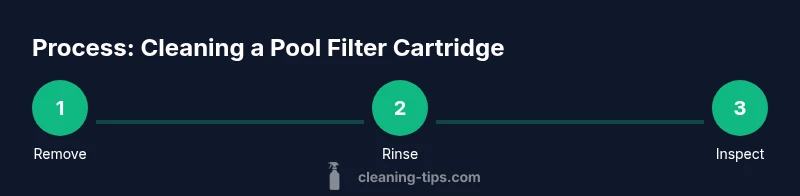
The standard workflow starts with removing the cartridge from the housing, a quick pre-rinse to knock off loose dirt, soaking in a cartridge-safe cleaner, a thorough scrub of the pleats, a final rinse, and a visual inspection before reassembly. This approach minimizes wear and helps restore flow across the filter. You’ll want to avoid blasting with too much pressure, which can bend or tear delicate pleats. By following this overview, you’ll have a solid foundation for the detailed steps that follow.
Cleaning Process in Detail
Begin by removing the cartridge from the housing and performing a light pre-rinse to remove loose debris. Then select a cartridge cleaner recommended by the manufacturer and soak the cartridge for 15–30 minutes. After soaking, use a soft brush to scrub the pleats, rinse well, and inspect for tears or thinning. Finally, allow the cartridge to dry briefly before reinstalling it with a proper gasket and seating. This process restores flow, reduces strain on the pump, and improves water clarity.
Rinse, Soak, and Scrub Best Practices
- Rinse technique matters: Always work from the clean end toward the dirty end to avoid recirculating debris.
- Soaking time: Short soaks are effective for light dirt; longer soaks are better for oils and mineral buildup, per manufacturer guidelines.
- Brushing: Use a bristle brush with soft to medium stiffness; hard brushes can fray the media and shorten cartridge life.
- Water quality: If your tap water is hard or heavily chlorinated, limit soaking duration and follow up with a thorough rinse to prevent residues.
- Drying: Allow sufficient drying time to prevent mold growth in humid environments.
Post-Cleaning Checks and Reassembly
After cleaning, inspect the cartridge for tears, bent pleats, or swollen areas. Replace any cartridge showing signs of wear, as a compromised filter can reduce water clarity and increase chemical costs. Reinstall with a fresh or correctly positioned gasket, ensuring a snug seal. Run the pump on low to test, then gradually raise flow to normal operating level while watching the pressure gauge. If the pressure remains high, re-check for leaks or mis-seated cartridges.
Maintenance Schedule and Troubleshooting
Create a simple maintenance calendar that aligns with pool usage, weather, and chemical balance. As a general rule, inspect cartridge cleanliness monthly during peak season, and clean when you notice a 10–15% rise in pressure or reduced flow. Troubleshooting tips include checking gaskets, verifying proper seating, and ensuring there is no algae growth on pool surfaces. If cleaning doesn’t restore flow or the cartridge shows damage, replacement is the safer option. Regular cleaning reduces backwashing, saves water, and supports consistent sanitization.
Tools & Materials
- Garden hose with adjustable nozzle(Firm spray, not high-pressure jet)
- Cartridge cleaner (manufacturer-recommended)(Do not use bleach unless specified)
- Bucket or basin for soaking(Large enough to fully submerge cartridge)
- Soft-bristled brush or microfiber sponge(Avoid stiff brushes that damage pleats)
- Safety gloves (rubber or nitrile)(Protect hands from cleaners and debris)
- Safety glasses(Protect eyes from splashes)
- Towel or absorbent rags(Catch drips during disassembly)
- Old clothes or apron(Keep solvents and dirt off clothing)
Steps
Estimated time: 30-45 minutes
- 1
Power down and access cartridge
Shut off the pool pump at the breaker and release any residual pressure per your equipment manual. Open the filter housing and carefully remove the cartridge, noting its orientation for reinstallation.
Tip: Take a photo of the cartridge orientation before removing it to avoid reassembly mistakes. - 2
Initial rinse
Rinse the cartridge from the clean side outward to dislodge loose debris without forcing particles deeper into the pleats.
Tip: Use a steady, low-pressure spray to avoid damaging delicate pleats. - 3
Soak in cleaner
Submerge the cartridge in the recommended cartridge cleaner solution for 15–30 minutes to loosen oils and mineral deposits.
Tip: Follow the cleaner’s concentration guidelines to prevent media damage. - 4
Scrub pleats
Gently scrub the pleats with a soft brush, focusing on heavily soiled areas. Rinse periodically to evaluate cleaning progress.
Tip: Avoid scrubbing too hard, which can tear or compress the media. - 5
Final rinse and inspection
Rinse until water runs clear and inspect for signs of wear, tears, or swollen end caps. If damage is found, replace the cartridge.
Tip: If you see any tearing or thinning, replace rather than reusing. - 6
Reinstall and test
Dry the cartridge briefly, reinstall with a clean gasket, and run the pump to verify proper flow and pressure.
Tip: Check for leaks around the housing and ensure the seals sit evenly.
Questions & Answers
How often should I clean a pool filter cartridge?
Most pools benefit from monthly checks during peak season and cleaning when pressure rises or flow declines. If you notice persistent debris or oil buildup, clean sooner. Always align with manufacturer guidelines and pool usage.
Check the cartridge monthly during busy seasons and clean when pressure climbs or flow drops; follow manufacturer guidelines for best results.
Can I use a pressure washer to clean the cartridge?
A pressure washer can damage the pleats and shorten cartridge life. Use a garden hose with a steady spray and avoid harsh jets unless the manufacturer approves high-pressure cleaning.
No, avoid pressure washers; use a garden hose with a gentle spray unless your manual says otherwise.
What cleaners are safe for cartridges?
Use cleaners specifically designed for cartridge filters and approved by the manufacturer. Avoid household solvents or bleach unless explicitly recommended for your model.
Stick to manufacturer-approved cleaners and avoid general solvents unless the manual allows them.
When should I replace a cartridge instead of cleaning it?
If you notice torn pleats, swollen end caps, persistent reduced flow after cleaning, or obvious wear, replacement is the safer option to protect water quality and equipment.
Replace if there are tears, warping, or ongoing poor performance after cleaning.
Will cleaning immediately improve water quality?
Yes. Cleaning removes buildup that restricts flow, allowing better filtration and quicker restoration of clearer water once the system stabilizes after reassembly.
Expect a noticeable improvement in water clarity after a thorough cleaning and proper reassembly.
Should I soak cartridges in tap water or pool water?
Soak in the cleaner solution as directed by the manufacturer. Rinsing with clean water afterward helps prevent chemical residues from entering the pool.
Follow the cleaner’s directions for soaking; rinse well afterwards to protect the pool.
Watch Video
The Essentials
- Turn off power and depressurize before removing the cartridge.
- Rinse, soak, and scrub with manufacturer-approved cleaners.
- Inspect for wear and replace damaged cartridges.
- Reinstall correctly and monitor pressure after restarting.