Dryer Vent Clean Kit: A Complete How-To Guide
Learn how to choose, assemble, and use a dryer vent clean kit to remove lint, improve airflow, and reduce fire risk. Step-by-step instructions, safety tips, and maintenance guidance for DIY and professional decision-making.


Using a dryer vent clean kit is a practical DIY task that improves airflow and safety. This concise answer covers what you’ll need and the basic steps. See our detailed step-by-step guide for safe, thorough cleaning.
What is a dryer vent clean kit and why you need one
A dryer vent clean kit is a collection of tools designed to remove lint and debris from the duct that carries warm, moist air from your dryer to the outdoors. It typically includes a set of flexible rods, a rotating brush or cone brush, a vent brush head, and sometimes a reflective light or inspection mirror. The basic idea is to physically dislodge and capture lint that escapes the appliance’s lint trap but becomes trapped further along the duct. Regular use of a kit helps maintain proper airflow, shorten drying times, and reduce energy use.
According to Cleaning Tips, timely vent maintenance is one of the most practical steps homeowners can take to boost efficiency and lower fire risk. The Cleaning Tips team found that many residential dryer fires originate in the vent due to lint buildup rather than a malfunctioning machine. By keeping the vent clear, you support safe operation and extend the life of the dryer.
Safety considerations before you begin
Before you touch the dryer or vent, unplug the machine and shut off the power to avoid electric shock. Wear safety goggles and gloves to protect against sharp edges and lint irritants. Work in a well-lit area and use a sturdy ladder or step stool to reach the exterior vent safely. Do not push lint into the exterior wall or into the outlet; lint can accumulate in corners and create a bigger blockage. If the vent runs through unstable or inaccessible spaces, pause and reconsider DIY cleaning. If you smell burning or hear loud buzzing, stop immediately and unplug the dryer.
Choosing the right dryer vent clean kit
Look for a kit that includes a rod set (at least 6–10 feet total length), a brush head designed for round ductwork, and a compatible adapter if you have a rigid vent. Some kits use water-repellent or vent-safe brushes; others offer expanding rods that snap together. Consider your vent type (rigid metal versus flexible foil) and the vent location (interior crawl spaces, attic, or exterior wall). For most households, a mid-range kit with a good range of rod lengths and a firm brush is sufficient. Avoid kits with metal filings that can break off or fragile handles that bend easily. If you rent, check with the landlord before making modifications to exterior vents.
Essential tools and materials you’ll need
Make sure you have the following items ready before you start: a dryer vent clean kit with rods and brush, a vacuum with a hose attachment to catch lint, a sturdy ladder, safety glasses, gloves, a flashlight, and some painter’s tape to seal vent connections. Optional items include a HEPA-filter vacuum for dust control and a drop cloth to protect the floor. Having these on hand prevents mid-task trips to the toolbox and keeps the process smooth.
How to set up your workspace for cleaning
Clear the area around the dryer, remove small items, and unplug the appliance. Move the dryer slightly away from the wall to access the vent outlet from the back; if necessary, unplug at the wall outlet to avoid shock. Place a drop cloth under the dryer to catch loose lint, then seal the area around the exterior vent with painter’s tape to help you observe lint movement. Turn off the gas line if you’re working with a gas dryer and vent to avoid gas exposure. Confirm the exterior vent cap is accessible and not blocked by debris.
How to use a dryer vent clean kit (high-level overview)
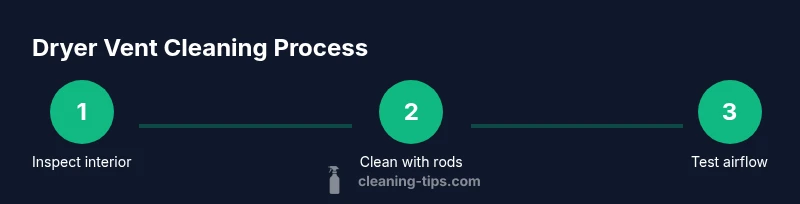
With your kit assembled, start at the interior end of the vent. Feed the rods slowly into the duct, using the brush head to dislodge lint. Pull back and clear lint into the vacuum. Repeat until you notice little or no lint on the brush. Then inspect the exterior vent for any obstruction and clean as needed. Finally, reassemble the dryer, run it on a short cycle to observe airflow, and listen for any unusual noises. This overview helps you gauge the scale of the job before you dive into step-by-step actions.
Common mistakes and how to avoid them
One common error is pushing lint deeper into the duct rather than back toward the exterior. Another is using a too-forceful brush, which can deform flexible ducts or cause damage. Never reuse a brush head that’s worn or bent out of shape. Avoid using metal rods in tight bends; instead, switch to shorter segments. Finally, neglecting to unplug the dryer or wiping the exterior vent can leave you exposed to risk and reduce results.
Maintenance, frequency, and signs of clogs
Most homes benefit from cleaning their dryer vent at least once a year; high-use homes or households with older vents may need quarterly checks. Signs of a clogged vent include longer drying times, clothes that feel hot or damp after a cycle, and a burning odor. Keep the lint trap clean, check the vent cap outside for blockage, and consider a professional inspection if you cannot reach the entire run. A well-maintained vent improves energy efficiency and prevents overheating.
DIY kit vs professional service: pros and cons
DIY kit advantages include lower cost, flexible scheduling, and immediate action. However, professional cleaning can access hard-to-reach sections and verify the entire exhaust path with specialized equipment. If you’re not comfortable working in cramped spaces, or if the vent runs through the attic or roof, a pro may be safer and more thorough. In some jurisdictions, code requires professional inspection after certain types of chimney or vent issues; check local codes if in doubt.
Troubleshooting your kit: fit and reach
If a kit cannot reach certain sections, try a longer rod length or different brush head. Inspect for trapped bends in the duct; replace damaged segments before attempting more cleaning. If you notice a persistent lint buildup near the dryer, attempt cleaning from the interior outlet first, then from the exterior, ensuring all segments are connected securely. If tools slip, pause and re-approach the task with better lighting or a stable ladder.
AUTHORITY SOURCES
- https://www.cpsc.gov
- https://www.nfpa.org
- https://www.energystar.gov
Real-world checklist: quick-start 5-minute prep
- Unplug the dryer. 2) Gather tools and materials. 3) Inspect the exterior vent cap for blockages. 4) Set up a drop cloth and confirm you have a clear path. 5) Plan your rod lengths and brush heads. 6) Begin cleaning from the interior, then check the exterior. 7) Reconnect and run a test cycle to verify airflow.
Tools & Materials
- Dryer vent clean kit (rods + brush head)(Ensure total rod length reaches the full vent run; choose a kit compatible with your vent type)
- Vacuum with hose attachment(HEPA preferred to trap fine lint; empty after use)
- Sturdy ladder or step stool(Stable surface; have a spotter if you’re on a ladder)
- Safety glasses(Protect eyes from dust and debris)
- Work gloves(Grip and protect hands from sharp edges)
- Flashlight(Bright beam to inspect tight ducts)
- Painter’s tape(Seal exterior vent during inspection)
- Drop cloth or old sheet(Catches falling lint from the area around the dryer)
- Dust mask (optional)(Wear if lint dust is heavy)
Steps
Estimated time: 45-60 minutes
- 1
Prepare your space
Unplug the dryer, move any obstacles, and set a drop cloth. Place your ladder securely and gather all tools. This prep minimizes mid-task trips and keeps you from accidentally reshuffling lint into the system.
Tip: Double-check that the outlet is de-energized before touching the dryer’s wiring. - 2
Inspect the interior vent path
Look into the access panel from the inside to identify bends and potential blockages. Use a flashlight to spot lint pockets. If the run is long or has multiple bends, plan your rod length before starting.
Tip: Address tight bends first; they’re common choke points. - 3
Assemble the kit properly
Connect rods end-to-end, test the brush head fit, and ensure all connections are snug. If your kit comes with adapters for rigid vents, attach the correct one for a secure seal.
Tip: Tighten connectors finger-tight, then give a half-turn with pliers if needed—don’t overtighten. - 4
Feed the rods into the vent
Begin at the interior end and push the rods slowly through the duct while rotating the brush. Stop if you encounter resistance; don’t force the rod. Retrieve lint with the vacuum as you pull back.
Tip: Pause intermittently to collect lint in the vacuum before continuing. - 5
Address exterior obstructions
Inspect the exterior vent cap and clean away any visible lint or debris. Use painter’s tape to mark the boundary and confirm airflow when you re-run the dryer.
Tip: If the exterior is blocked by debris, remove the obstruction from outside, not by pushing it back inside. - 6
Re-test airflow and cycles
Plug the dryer back in, run a test cycle on low heat, and listen for changes in airflow and dryer speed. Observe whether clothing dries faster and whether the vent remains cool to the touch after a cycle.
Tip: If you still notice poor airflow, repeat the cleaning pass or consider a pro inspection. - 7
Restore and tidy up
Reconnect any panels, remove tape, and store tools. Empty the vacuum and clean the workspace. Document the date of cleaning for future reference.
Tip: Keep a quarterly calendar reminder for vent checks.
Questions & Answers
What is a dryer vent clean kit used for?
A dryer vent clean kit helps remove lint and debris from the exhaust duct to improve airflow, reduce drying times, and lower the risk of vent fires. It is designed for DIY maintenance in accessible vent runs.
A dryer vent clean kit removes lint from the exhaust duct to improve airflow and reduce fire risk.
Is it safe to clean a dryer vent myself?
DIY cleaning can be safe if you follow proper safety steps: unplug the dryer, use protective gear, and work calmly with appropriate tools. If you encounter complex vent paths or outside access is blocked, consider a professional.
Yes, it can be safe if you follow safety steps and use the right tools.
How often should I clean my dryer vent?
Most homes benefit from vent cleaning about once a year; high-use homes or older vents may require more frequent checks. Regular inspection helps prevent lint buildup and efficiency loss.
Typically once a year, or more often if you notice slower drying.
What signs indicate a clogged vent?
Longer drying times, clothes staying hot after a cycle, and a musty or burnt smell can indicate a clogged vent. If you see these signs, inspect and clean the vent promptly.
If you notice longer dry times or a burning smell, inspect the vent.
Should I remove the vent cap from outside during cleaning?
You can inspect from the exterior and remove obvious blockages, but avoid forcing debris back inside. Reassemble and test airflow after cleaning for best results.
Inspect the exterior cap and clear obvious blockages, then re-test airflow.
When should I hire a professional?
If the vent is long, located in the attic or roof, or if lint buildup recurs after cleaning, a professional inspection may be safer and more thorough and can ensure compliance with local codes.
Consider a pro if vents are difficult to reach or problems persist.
Can a dryer vent cleaning kit damage my ducts?
Damage is unlikely with proper technique, but forcing tools or using worn brushes can bend flexible ducts or scratch metal. Stop if you encounter resistance and reassess.
Use care and stop if you feel resistance to avoid damage.
Watch Video
The Essentials
- Plan and prep thoroughly before starting.
- Use the correct kit for your vent type and length.
- Avoid pushing lint deeper; clean toward the exterior.
- Test airflow after cleaning to confirm improvements.