Maximizing Dishwasher Cleaning Efficiency: A Practical Guide
Learn practical, step-by-step strategies to maximize dishwasher cleaning efficiency, from loading and detergents to cycle selection and maintenance. Save water, energy, and time with proven techniques.


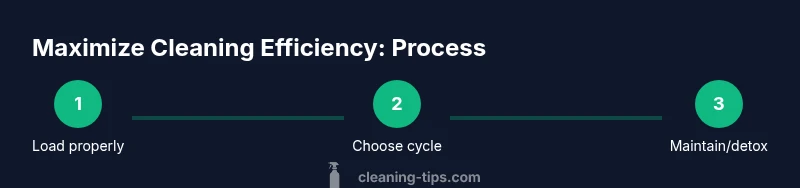
By following a deliberate loading strategy, using the right detergent, and selecting efficient cycles, you can maximize dishwasher cleaning efficiency. Start with a clean filter, avoid overloading, and pre-rinse only lightly. With the steps below, you’ll reduce rewash cycles and save water while getting sparkling dishes even on tough loads.
Why cleaning efficiency in a dishwasher matters
Understanding how to maximize dishwasher cleaning efficiency begins with recognizing its impact on everyday life. If you have a busy family or you cook frequently, a dishwasher that cleans well saves time, water, and energy. In this article, we address how can cleaning efficiency of a dishwasher be maximized by optimizing loading, detergents, cycles, and maintenance. When you adopt a consistent approach, you reduce rewash cycles, prevent residue on glasses, and extend the life of your appliance. According to Cleaning Tips, small changes to routine can yield noticeable improvements without expensive upgrades. This section will map out the core levers you can control—loading geometry, water contact, and cycle logic—so you can implement practical changes starting today. Water temperature should be hot enough to dissolve detergents—usually near 120-140 degrees Fahrenheit in many homes—yet avoid scorching items. The choice of detergent and the amount used should align with water hardness and soil level. A clean filter and spray arm ensure water reaches every dish. The aim is to reduce splotches, food particles, and cloudy glassware without extra cycles.
Loading strategy for optimal water flow
A well-planned loading layout ensures water reaches every surface. Place plates at an angle to encourage drainage, center bowls upright, and avoid nesting items that block spray arms. Heavy pots and pans should ride on the bottom rack, while delicate glassware goes on the top rack with cleavage space between items. Do not stack dishes tightly; leave gaps so water can circulate. Ensure nothing obstructs the spray arms or the filter, as blocked pathways dramatically reduce cleaning performance. By optimizing spacing and orientation, you maximize cleaning efficiency with the same rinse cycle and minimize the need for additional wash cycles.
Maintenance habits that boost performance
Maintenance is the quiet workhorse behind consistent results. Regularly clean the filter and spray arms to remove trapped food and mineral deposits, which can choke water flow. Run a cleaning cycle every 1–3 months or when you notice a decline in performance. Wipe gaskets and door seals to prevent food from sticking and to maintain a tight seal during cycles. A clean interior prevents soap scum and improves drying. According to Cleaning Tips analysis, routine maintenance is as important as loading technique for sustained cleaning efficiency.
Detergent selection and dosing
Choose detergents that match your water quality and soil level. Powder detergents, liquids, and pods each have pros and cons; pods offer consistent dosing but can be expensive per load. Avoid overloading with detergent, which can leave residue and attract more grime. For hard water, you may need a stronger or additional detergent, but always follow the manufacturer’s recommended dose. Using the right amount prevents buildup on dishes and within the dishwasher itself.
Rinse aid and water chemistry
Rinse aid improves drying and reduces water spots by promoting sheeting of water off surfaces. If you have hard water, enable rinse aid or use a rinse aid with higher flow. Check that the rinse aid dispenser is not blocked and refill as needed. Water hardness affects cleaning efficiency; consider running a water test or consulting your local utility to understand your hardness level and adapt dosing accordingly. This combination keeps dishes sparkling and minimizes post-wash towel drying.
Cycle selection and optimization
Not every load needs the same cycle. Use eco or standard cycles for everyday dishes to save water and energy, reserving longer cycles for heavily soiled pots and pans. Pre-select options like extra rinse only when necessary, and avoid high-temperature settings for lightly soiled items to reduce wear. If you notice residue or poor cleaning, adjust to a longer, more aggressive cycle the next time, then compare results to fine-tune your settings. Consistent cycle selection is a powerful lever for sustained cleaning efficiency.
Pre-wash and load orientation
A light pre-wash can remove obvious food particles, reducing the burden on the main wash. Rinse off large debris and scrape plates before loading—this reduces clogs and improves overall performance. Maintain proper orientation: place items with soil facing the spray path and ensure tall items do not block spray arms. This careful setup helps ensure each dish benefits from the full cleaning action of the machine.
Drying and post-wash care
Efficient cleaning also relies on good post-wash care. Leave the door ajar for a few minutes after a cycle to improve air circulation and reduce moisture buildup, which can cause odor. If your dishes still feel damp, run a short drying cycle or use a dedicated drying option if available. Regularly wipe the interior with a damp cloth to remove mineral buildup and prevent spots on glassware.
Common mistakes that ruin results
Overloading, poor spacing, and blocking spray arms are the top culprits that undermine cleaning efficiency. Using too much or too little detergent can leave residue or insufficient cleaning power. Neglecting to clean filters or run maintenance cycles leads to degraded performance over time. Avoid washing items that trump the dishwasher’s design, such as large utensils blocking the spray path or non-dishwasher-safe materials that shed debris.
Troubleshooting subpar results and when to call a pro
If you notice persistent film, spots, or food residue after multiple cycles, inspect spray arms for clogs, check water temperature, and verify the detergent’s suitability for your water hardness. Mineral buildup on heating elements or spray arms may require professional descaling. If problems continue, consult a service technician to evaluate seals, motor function, and overall efficiency.
Tools & Materials
- Dishwasher-safe loading rack(Ensure rack is clean and undamaged before loading)
- Dishwasher-safe utensils and dishware(Place items to avoid blocking spray arms)
- Dishwasher detergent (pod/powder/liquid)(Follow manufacturer dosing for your water hardness)
- Rinse aid(Enable in hard water zones)
- Soft cloth or sponge(Wipe seals and door after cycles)
- Old toothbrush or brush(Clean spray arms and filters)
- Measuring cup or scale for dosing(Helps achieve consistent detergent dosing)
- Water hardness test kit or local guidelines(Tailor detergent and rinse aid usage)
- Timer or clock(Track cycle durations for optimization)
Steps
Estimated time: 60-90 minutes
- 1
Prepare the dishwasher for cleaning efficiency
Power it off, remove racks, and inspect for any loose items or debris. A clean start reduces early obstructions and ensures water can flow freely during the cycle. Check seals for damage and have replacement parts ready if needed.
Tip: Tip: Remove large debris before loading to minimize filter clogging. - 2
Pre-rinse lightly and sort dishes
Rinse off obvious food particles to prevent clogs, but avoid a heavy pre-wash that wastes water. Sort by soil level: heavily soiled on bottom, lighter items on top. Avoid mixing metals and plastics that can trap residue.
Tip: Tip: Let soils loosen naturally instead of scrubbing until they appear clean. - 3
Load dishes for optimal spray coverage
Place plates at an angle to maximize water contact, bowls facing downward, and glasses secured to prevent tipping. Ensure tall items do not overhang or block spray arms. Leave space between items for water to circulate.
Tip: Tip: Keep pots and pans on the bottom rack for better cleaning power. - 4
Add detergent and dosing correctly
Use the recommended amount for your detergent type and soil level. In hard water, slightly increase dosing or switch to a product formulated for hard water. Do not mix different detergents in a single load.
Tip: Tip: Use a single, consistent detergent to avoid residue. - 5
Add rinse aid and adjust for water hardness
Fill the rinse aid dispenser if you notice water spots or poor drying. In hard water areas, ensure rinse aid is active and set to a higher level if possible. This helps water sheet off surfaces more effectively.
Tip: Tip: Refill rinse aid when you see a decrease in drying performance. - 6
Select the right cycle and options
Choose a cycle appropriate to soil level; eco cycles save water and energy for everyday loads. Add extra rinse only when soils are stubborn or if your water is hard. Avoid heat while loading delicate items if it risks damage.
Tip: Tip: Use eco cycles for daily loads and reserve intensive cycles for pots and pans. - 7
Run the cycle and monitor performance
Start the cycle and listen for unusual noises that may indicate an obstruction. If you have a smart dishwasher, monitor cycle status and adjust settings as needed. Record results for future loads to refine your routine.
Tip: Tip: Note any unresolved spots to adjust detergent or load arrangement next time. - 8
Clean filters and spray arms after cycle
Remove and rinse filters under running water. Check spray arms for blockages and clean with a brush if necessary. Reassemble components carefully to maintain optimal water flow for the next cycle.
Tip: Tip: Do this after every 1–2 cycles if you notice residue. - 9
Identify and fix common issues proactively
If you see film, spots, or food streaks, review detergent choice, rinse aid usage, and cycle selection. Check seals and hoses for leaks or wear. Early intervention prevents major malfunctions.
Tip: Tip: A quick descaling every 6–12 months can improve performance in hard water areas. - 10
Set a maintenance routine for sustained efficiency
Create a simple monthly schedule: inspect filters, wipe gaskets, run a cleaning cycle, and verify proper loading. Recording outcomes helps you optimize over time.
Tip: Tip: Treat maintenance as part of your cleaning routine, not a rarity.
Questions & Answers
What is the best cycle for heavily soiled dishes?
For heavily soiled dishes, use a longer standard or heavy cycle with an extra rinse if available. Pre-rinsing helps, but avoid excessive washing before loading. Always verify you’re using the correct detergent dose for the soil level.
For tough soils, select a longer standard or heavy cycle with an extra rinse. Pre-rinsing lightly helps, and ensure the detergent dose matches the soil level.
How often should I clean the dishwasher filter?
Clean the filter at least once a month or whenever you notice decreased cleaning performance. A clean filter improves water flow and reduces the chance of food redepositing on dishes.
Clean the filter about once a month, or whenever you notice reduced cleaning performance.
Can hard water affect cleaning efficiency?
Yes, hard water can reduce detergent effectiveness and leave spots. Use a rinse aid and consider a detergent formulated for hard water. You may need to adjust dosing based on water hardness.
Hard water can reduce cleaning power and cause spots; use rinse aid and the right detergent for hard water.
Is pre-rinsing necessary for every load?
Pre-rinsing is optional in many cases. Lightly remove visible debris, but avoid washing everything thoroughly, as it wastes water. The main wash should handle the majority of cleaning.
Pre-rinsing isn't always necessary; remove obvious debris and rely on the main wash for cleaning.
Does using a rinse aid improve drying?
Rinse aid improves drying by helping water sheet off surfaces, reducing spots and speeding up drying time. Use it if you notice water spots on glassware or slower drying.
Rinse aid helps drying and reduces spots; use it if you see water marks.
What are signs my dishwasher needs service?
Look for persistent residue, odd noises, leaks, or failure to complete cycles. If performance declines after maintenance, a technician may be needed to inspect seals, hoses, and the motor.
Signs include residue, noises, leaks, or incomplete cycles; consult a technician if problems persist.
Watch Video
The Essentials
- Load strategically for optimal water contact
- Choose detergent and rinse aid based on water quality
- Maintain filters and spray arms regularly
- Select cycles and options aligned with soil level
- Create a simple maintenance routine for ongoing efficiency