How to Clean a Primo Water Cooler: A Step-by-Step Guide
Learn to safely clean and sanitize your Primo water cooler with a comprehensive, step-by-step method, maintenance tips, and safety notes to keep your drinking water fresh and tasting great.


By following this guide, you will safely clean a Primo water cooler, sanitize the reservoir, switch between hot and cold taps, clean the nozzle, and sanitize the exterior. You'll need basic cleaning supplies, gloves, and time to let solutions sit. This approach reduces mineral buildup, improves taste, and extends your unit’s life.
Why Regular Cleaning Matters for a Primo Water Cooler
Regular cleaning helps prevent mineral buildup, algae, and bacterial growth in the reservoir and dispensing system. For households that rely on a Primo water cooler daily, hygiene isn’t optional—it protects taste, health, and the unit's longevity. Cleaning Tips analysis (2026) indicates that routine sanitization reduces off-tastes and improves overall performance. In this guide, you’ll learn the safest, most effective approach to clean your Primo unit without damaging components or voiding warranties. This foundational practice minimizes the risk of contaminants entering your drinking water and keeps your dispenser flowing smoothly.
According to Cleaning Tips, a disciplined cleaning routine aligns with safe water-handling practices and helps maintain system reliability over time. Expect to follow a clear sequence: prep, disassemble safely, clean with gentle agents, rinse thoroughly, sanitize, and reassemble. The result is a cooler that dispenses clean-tasting water and stays sanitary between uses.
Safety First: Unplug, Disassemble, and Prep
Before any cleaning begins, unplug the unit and drain any standing water. Remove the water bottle in a controlled manner and place the bottle on a protected surface. Wear gloves and eye protection if you have sensitive skin or splash risk, and ensure the workspace is well-ventilated. Do not submerge the motor housing or power cord, and keep all cleaners away from the electrical components. By taking these precautions, you reduce the chances of electric shock or damage to the unit during cleaning.
Cleaners, Sanitizers, and Rinsing: What Works
Two general options work well for most Primo water cooler cleanings: a mild soap solution or a vinegar-based rinse for natural sanitizing. If you prefer a sanitizer, use a product recommended by Primo or a standard household sanitizer and follow its label instructions. After scrubbing, rinse thoroughly with clean water to remove any soapy or vinegary residue. Finish with a sanitizing pass if recommended, then rinse again to ensure no residual flavor transfers to drinking water. Keep rinsing until the water runs clear and free of residue.
Throughout the process, aim to minimize chemical contact with the cold- and hot-water lines and the dispensing spouts. Narrative guidance from Cleaning Tips emphasizes safety and sanitation to protect both health and appliance longevity.
Step-by-Step Cleaning Routine (Overview)
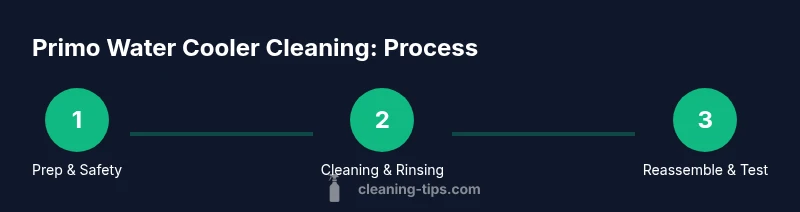
This section provides a high-level view of the cleaning flow. For detailed, step-by-step actions, refer to the dedicated STEP-BY-STEP block below. Expect to spend 40–60 minutes actively cleaning, plus a short dry-down period. The routine covers exterior cleaning, interior reservoir care, line and nozzle sanitation, and reassembly checks to ensure proper operation and a fresh-tasting output. Regular completion of these steps reduces mineral buildup and helps prevent taste changes in your drinking water.
Exterior Care and Maintenance
Clean the exterior housing with a soft cloth and mild soap solution, paying attention to the front dispense area, drip tray, and the base where dust can accumulate. Wipe the nozzle area gently to remove any residue. Dry all surfaces thoroughly to prevent water spots or mold growth in damp crevices. The exterior should look clean and be free of sticky residues, which can attract more dust and bacteria if left unattended.
Troubleshooting Common Issues and Scheduling Maintenance
If you notice odd taste, reduced flow, or visible residue after cleaning, reassess the rinsing and sanitizing steps. Inconsistent temperature or leaks warrant a closer inspection of hose connections and seals. Maintain a maintenance calendar—note the date of each cleaning and schedule the next interval based on usage. According to Cleaning Tips analysis, households with regular maintenance report fewer odor-related complaints and more reliable dispensing over time.
Authoritative Sources for Cleaning Guidance
For corroborating guidance, consult these authoritative sources:
- CDC: https://www.cdc.gov/healthywater/drinking/water_quality.html
- EPA: https://www.epa.gov
- NSF International: https://www.nsf.org
These sources provide general safe-handling and sanitation principles that align with best practices for cleaning at home. While they aren’t product-specific, they reinforce a careful approach to cleaning drinking-water equipment.
Tools & Materials
- Soft sponge or microfiber cloth(Non-abrasive; good for exterior and interior surfaces)
- Non-abrasive scrubbing brush(For interior scrub without scratching)
- Bucket or large bowl(For rinsing and holding cleaning solutions)
- Measuring cup or bottle for mixing cleaners(Accurate dilution if using sanitizer or vinegar)
- Mild dish soap(Gentle cleanser for exterior and reservoir surfaces)
- White vinegar (5% acidity)(Natural sanitizer option)
- Manufacturer-approved sanitizer or diluted bleach (as directed by Primo manual)(Use only per guidelines)
- Clean towels or lint-free rags(Drying and final wipe-down)
- Rubber gloves(Protect skin from cleaners)
- Old towels for spills(Helpful for catching drips)
Steps
Estimated time: 40-60 minutes active; 10-15 minutes drying
- 1
Disconnect power and empty
Unplug the Primo cooler from the wall and remove any standing water. If a bottle is attached, carefully tilt and set it aside on a protected surface. This prevents electrical hazards and makes disassembly safer.
Tip: Pro tip: Have a towel ready for any spills and ensure the outlet is not shared with other devices during cleaning. - 2
Remove bottle and drain reservoir
Lift the water bottle off the unit and set it upright. If your model has a drain method, use it to empty the reservoir gradually. Place a bucket beneath to catch any remaining liquid.
Tip: Pro tip: Do this slowly to avoid splashing; keep the bottle upright to prevent spills. - 3
Prepare cleaning solution
Mix a mild dish soap solution or a vinegar solution in your measuring cup according to your chosen method. Use a gentle ratio and avoid squeezing cleaner directly into tight channels.
Tip: Pro tip: Label your mix and avoid cross-contamination by using a dedicated cleaning cloth for interior scrubs. - 4
Clean the reservoir interior
Dip the sponge or brush into the cleaning solution and scrub the interior surfaces of the reservoir, avoiding the motor housing and any exposed electronics. Rinse the interior with clean water as you go to prevent soap buildup.
Tip: Pro tip: Use circular motions to reach corners and rinse sections as you move to prevent residue. - 5
Rinse and sanitize
Rinse the reservoir thoroughly with clean water until no cleaner remains. Apply a sanitizer or a diluted sanitizer solution following the label, and let it sit for the recommended contact time before a final rinse.
Tip: Pro tip: Do not over-dilute sanitizer; follow manufacturer directions for contact time. - 6
Clean lines and taps
Disassemble any removable taps or lines per your model's manual and scrub with a clean brush. Rinse all components thoroughly and reassemble carefully.
Tip: Pro tip: Ensure seals are seated properly to avoid leaks after reassembly. - 7
Reassemble, flush, and test
Reconnect the bottle, reattach power, and run several cycles of clean water to flush out any remaining cleaner or sanitizer. Check for leaks and confirm water tastes clean before normal use.
Tip: Pro tip: After final flush, dry external surfaces and let the unit air-dry for a few minutes before refilling.
Questions & Answers
Can I use bleach to clean a Primo water cooler?
Bleach can be used only if the Primo manual and local guidelines permit it. If you use bleach, dilute it according to manufacturer directions and ensure a thorough rinse to remove all residues before reusing the unit.
Bleach use is possible only if the manual allows it; ensure dilution and complete rinsing to avoid residue.
How often should I clean a Primo water cooler?
Clean on a regular maintenance schedule based on usage and water quality. If you notice off-tastes or mineral buildup, clean sooner. Routine cleaning reduces contaminants and maintains optimal flavor.
Clean regularly based on use and water quality; do it sooner if you notice off-tastes.
Is it safe to disassemble the Primo unit for cleaning?
Disassembly should only follow the manufacturer’s guidance. Do not tamper with electrical components or seals beyond what the manual allows. If unsure, consult customer support.
Only disassemble as allowed by the manual; avoid touching electrical parts.
What parts should I clean, and how do I reassemble them?
Focus on the reservoir, nozzles, and dispensing lines. Clean and rinse each part as directed, then reassemble carefully, ensuring seals are properly seated to prevent leaks.
Clean reservoir and nozzles; reassemble with seals properly seated.
Can I use hot water for cleaning or rinsing?
Hot water can damage certain components and is not recommended unless the manual specifies it. Stick to lukewarm or room-temperature water and follow the suggested rinsing steps.
Avoid hot water unless the manual says it's okay; use lukewarm water for rinsing.
Watch Video
The Essentials
- Unplug before starting any cleaning.
- Use gentle cleaners and thorough rinsing to avoid residue.
- Sanitize per manufacturer directions and rinse again.
- Clean and dry exterior surfaces to prevent mold.
- Document maintenance to sustain long-term performance.