How to Clean an Engineered Wooden Floor
Learn how to clean an engineered wooden floor safely with gentle, pH-neutral cleaners, a damp mop, and prompt spill cleanup. This practical guide covers routine care, product choices, and pro tips to protect the floor’s finish for lasting beauty.


This guide shows how to clean an engineered wooden floor safely and effectively. You’ll learn how to dust, choose a gentle cleaner, mop with a damp microfiber mop, and dry promptly to prevent water damage. The method avoids standing water, harsh detergents, and vinegar that can dull finishes. Follow these steps for a pristine, long-lasting floor.
how to clean an engineered wooden floor: understanding the surface
Engineered wood floors combine a plywood core with a thin veneer veneer on top. This construction makes them more stable than solid wood but also more susceptible to moisture damage if treated with too much water. The goal when cleaning is to remove dust and grime without soaking the surface. According to Cleaning Tips, the safest approach centers on dry dusting, followed by a light, non-abrasive damp mop with a pH-neutral cleaner. This combination preserves the finish, minimizes swelling, and maintains the floor’s natural luster over time. When you see traffic patterns or stubborn spots, adjust your method rather than switching cleaners. Consistency is key to longevity, and gentler products often outperform strong cleaners in daily use.
If your floor has a wax or polyurethane finish, be mindful of residue. Always test a small, inconspicuous area before applying any cleaner across the room. A quick test helps you confirm that the product won’t dull the sheen or leave a film that attracts more dust. The Cleaning Tips team finds that routine care now reduces the need for deeper remediation later, helping you maintain a healthy, attractive floor for years to come.
Tools and materials you’ll need for engineered wood floor care
- Soft-bristled broom or vacuum with a hard floor setting (required)
- Microfiber mop (required) and a dry microfiber cloth for detail work
- pH-neutral, wood-safe cleaner (required) — avoid strong alkaline or acidic cleaners
- Distilled water for dilution (recommended)
- Optional mats or felt pads to reduce grit and wear (recommended)
- Towels or rags for quick spot drying (required)
Pro tip: Keep a small spray bottle of diluted cleaner for touch-ups instead of flooding the floor with cleaner. This helps you maintain the floor’s moisture balance and finish.
A practical daily maintenance routine
Daily care should be light but consistent. Start with a quick dry dusting or vacuum to remove dirt that can scratch the veneer. Mop with a barely damp microfiber pad, following the direction of the grain where possible to minimize streaks. Dry any remaining damp spots immediately with a microfiber cloth. If you notice sticky spots, re-clean with a fresh microfiber pad and a tiny amount of cleaner diluted in water. Regular maintenance reduces the need for stronger cleaners and helps protect the finish over time.
Seasonal checks are useful too. Look for peeling edges, water stains, or suspicious discoloration. Address these issues early with targeted cleaning and, if needed, consult a flooring professional for refinishing options. Cleaning Tips analysis shows that routine, gentle cleaning leads to fewer long-term problems and preserves the floor’s appearance as seasons change.
Step-by-step cleaning routine you can follow
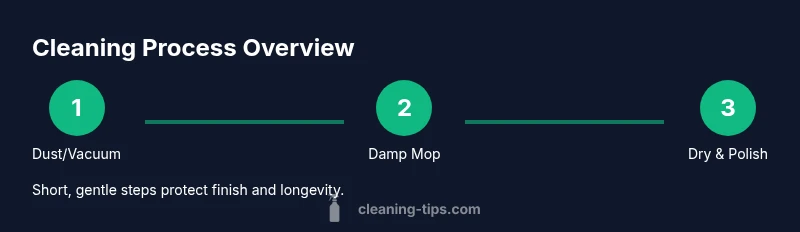
This section offers a clear, repeatable routine to keep engineered floors looking new. Start with dry dusting, then proceed to a light damp mop, followed by quick drying.
- Vacuum or sweep the floor thoroughly to remove dust and grit that can scratch the surface.
- Mix a small amount of pH-neutral cleaner with distilled water according to the product label.
- Wring the mop until it is just damp. Wipe the floor in sections, moving with the grain to avoid streaks.
- Rinse the mop frequently and change the solution if it becomes dirty.
- Dry the floor with a clean, dry microfiber cloth or towel to remove any remaining moisture.
- Spot-clean stains by applying a tiny amount of cleaner to a cloth and dabbing gently until lifted.
Why this order? Dry cleaning first eliminates loose debris that could grind into the finish during mopping. A damp mop cleans without saturating the surface, and dry final pass prevents water damage. This method balances cleanliness with protection, extending the life of your engineered floor.
What to avoid: common mistakes that can damage finishes
- Never use soaking-wet mops or large amounts of water. Excess moisture is a primary cause of warping and veneer damage. Always wring your mop thoroughly before use.
- Avoid abrasive pads, ammonia-based cleaners, or acidic solutions like straight vinegar, which can dull finishes or remove protective coatings.
- Don’t flood transitions or planks. Water can seep into seams and cause swelling; keep moisture to a minimum on high-traffic zones.
- Skip steam cleaners on engineered wood floors. The intense heat and moisture can damage both the veneer and the core.
- Don’t rely on DIY recipes without testing first. Some home mixtures can leave residues that attract dust or harm the finish.
Safe cleaning is about restraint and technique. The goal is to maintain a clean surface without introducing moisture exposure that can lead to costly repairs later.
Deep cleaning and periodic refreshers for tough grime
Occasionally, you may need a deeper clean for heavily trafficked areas or stubborn grime. Use a dedicated wood floor cleaner and a slightly damp microfiber pad to lift stuck-on residue. Avoid scrubbing too hard, which can scratch the finish. For persistent spots, apply cleaner to a cloth, not directly to the floor, and work in small, controlled circles. After deep cleaning, dry the area thoroughly to prevent any moisture from soaking into seams.
If your floor wears unevenly or starts to show water stains, consider a professional assessment. A re-seal or refinishing may be suggested to restore uniformity and protect the veneer. Regular, gentle maintenance remains the best defense against future issues, and it’s typically more cost-effective than frequent deep cleaning.
Troubleshooting stains, spills, and odors on engineered wood floors
Spills should be blotted up immediately with a dry cloth. If a stain remains, use a small amount of pH-neutral cleaner on a cloth and dab gently—never pour cleaner directly onto the floor. For oil-based stains, repeat with a cleaner formulated for wood surfaces and avoid mineral spirits that can dry out the finish. Persistent odors can indicate moisture behind the surface; in such cases, ventilate the area and consider using a wood-safe deodorizer.
If you notice warping, lifting, or discoloration, stop using water on the affected area and consult a flooring professional. Early intervention helps prevent further damage and can extend the life of your engineered floor.
Long-term care: maintenance tips that protect the finish
- Place welcome mats at entry points to reduce grit tracked onto the floor and protect the finish from abrasive dirt.
- Use felt pads under furniture legs and avoid dragging heavy objects across the floor.
- Clean up spills within 15 minutes to minimize moisture exposure.
- Schedule periodic maintenance checks with a flooring professional to assess finish condition and sealant integrity.
- Choose cleaning products labeled safe for engineered wood and test any new product in a hidden corner first.
With consistent care, engineered wood floors maintain their beauty longer, resisting scratches and moisture-related issues that can otherwise shorten their lifespan.
FAQ: quick answers to common concerns about engineered wood floor cleaning
- How often should I clean an engineered wood floor? Regular light cleaning weekly, with deeper cleanings as needed based on traffic. A quick wipe after meals can prevent sticky residues.
- Can I use water to mop? Use a barely damp mop. Excess moisture is the main risk to the veneer and core.
- Is vinegar safe? No, avoid straight vinegar. Use a pH-neutral cleaner designed for wood.
- Can I use a steam cleaner? Steam cleansers are not recommended for engineered wood floors as moisture and heat can cause damage.
- What about spills from pets? Blot promptly, then clean with a wood-safe cleaner if needed. Dry thoroughly to prevent moisture uptake.
Key information and next steps
This guide provides a practical, step-by-step approach to cleaning engineered wood floors with a focus on safety and longevity. By following gentle cleaning methods and promptly addressing spills, you can protect the veneer and core over time. Remember to test cleaners in a small area before full use, and avoid soaking the floor. Consistency is the key to a durable, beautiful surface.
Tools & Materials
- Soft-bristled broom or vacuum with hard-floor setting(Protects the veneer from scratches)
- Microfiber mop and dry microfiber cloth(Wrings out completely to leave floor damp, not wet)
- pH-neutral wood-safe cleaner(Avoid ammonia, vinegar, or harsh detergents)
- Distilled water (for dilution)(Reduces mineral residue)
- Mop bucket or spray bottle(For controlled damp cleaning)
- Towels or microfiber cloths for drying(Essential to remove residual moisture)
- Optional mats and felt furniture pads(Prevents grit and scratches)
- Spot-clean cloths (soft)(For stain handling without oversaturation)
Steps
Estimated time: 30-45 minutes
- 1
Prepare and inspect the space
Clear furniture and rugs from the area. Vacuum or sweep to remove loose dust and grit that can scratch the finish. Inspect for any exposed damp spots or spills that need attention before you begin mopping.
Tip: Check for any signs of moisture under edges; address before proceeding. - 2
Dust and dry clean
Give the floor a thorough dry clean using a microfiber broom or vacuum on hard-floor setting. This minimizes grit that can grind into the veneer during wet cleaning.
Tip: Go slowly in high-traffic zones to catch hidden dust. - 3
Prepare the cleaning solution
Mix a small amount of pH-neutral cleaner with distilled water according to the product label. Avoid over-diluting or using concentrated products that can leave a residue.
Tip: Test in a corner first to confirm no dulling or streaking. - 4
Dampen the mop, then clean in sections
Wring the mop until just damp. Clean in manageable sections, following the grain direction when possible to minimize streaks. Rinse the mop regularly and change the water if it becomes dirty.
Tip: Never pour cleaner directly onto the floor. - 5
Dry and inspect
Go over the floor with a dry microfiber cloth to remove any remaining moisture. Inspect for spots that need a second pass with a tiny amount of cleaner.
Tip: Ensure there's no pooling water near baseboards or joints. - 6
Spot cleaning and stain handling
Treat stains by applying cleaner to a cloth and gently dabbing the affected area. Avoid scrubbing aggressively to prevent finish damage.
Tip: For stubborn stains, repeat with a fresh cloth to avoid re-depositing grime.
Questions & Answers
Can I use water to mop engineered wood floors?
Yes, but only with a barely damp mop and minimal solution. Excess moisture can cause swelling and damage over time. Always dry the floor promptly after cleaning.
Yes, but keep the mop only slightly damp and dry the floor quickly to avoid moisture damage.
Is vinegar safe for engineered wood floors?
Straight vinegar or acidic cleaners can erode protective finishes. Use a pH-neutral cleaner recommended for wood floors instead.
Vinegar is not recommended; use a pH-neutral wood cleaner instead.
Can I use a steam cleaner on engineered wood floors?
Steam cleaners are generally not recommended for engineered wood floors due to moisture and heat risks. Stick to a damp mop and dry wipe.
Steam cleaners aren’t advised for engineered wood floors; use a damp mop instead.
How often should I perform a deep clean?
Deep cleaning is usually needed only a few times a year or when heavy grime accumulates in high-traffic areas. Regular light cleaning is sufficient most weeks.
Deep clean only a few times a year unless there’s heavy buildup; keep up with light cleaning weekly.
What should I do about spills from pets or water leaks?
Blot spills immediately with a dry cloth and follow with a light clean using a wood-safe cleaner if needed. Dry thoroughly to prevent moisture infiltration.
Blot spills right away and dry the area to prevent moisture damage.
Can I use wax on engineered wood floors?
In most cases, engineered floors do not require wax and applying it can build up residue. Check your finish type and use products compatible with it.
Avoid wax unless your floor’s finish specifically requires it.
Watch Video
The Essentials
- Dust before mopping to prevent scratches
- Use a pH-neutral cleaner and barely damp mop
- Dry surfaces promptly after cleaning
- Test products first to protect the veneer