How to Clean LG Washing Machine: A Step-by-Step Guide
Learn practical steps to clean your LG washing machine, remove odors, prevent mold, and keep it running efficiently with a simple, safe, step-by-step routine.


This guide explains how to clean your LG washing machine safely and effectively, covering odor removal, door-seal maintenance, detergent-drawer cleaning, and running a cleansing cycle. You’ll get a clear, practical plan, essential tools, and best-practice tips from Cleaning Tips to keep your appliance performing at its best.
How LG washing machines accumulate residue and why cleaning matters
LG washing machines are designed to handle heavy use, but their interior can accumulate detergent residue, mineral deposits, and mold in damp seals. Regular cleaning helps prevent musty odors, sticky residue, and reduced drum performance. According to Cleaning Tips, establishing a simple routine can extend the life of your appliance and improve efficiency. In practice, a clean washer runs more evenly, uses water and energy more efficiently, and reduces the risk of mold spores circulating in laundry cycles. The most common culprits are the rubber door seal (gasket), the detergent drawer, and the tub lining. Build a habit of visual checks after every few uses: look for any standing water in the gasket, inspect the drawer for soap buildup, and note any unusual smells. By understanding what tends to accumulate, you can tailor your cleaning to address the real problems.
Establishing a predictable cleaning pattern also helps you avoid surprise downtime. If you notice persistent odors or a slimy film, the issue is usually related to one of the three areas above. Keeping the gasket and drawer dry between uses reduces the chance of mold growth. With this knowledge in hand, you can approach each cleaning session with confidence and a clear plan rather than guesswork.
Tools you’ll need for LG washer cleaning
Before you start, gather the essential tools and materials. Having everything on hand saves time and makes the process smoother. The following items cover the core needs and offer practical substitutes if you already own related products.
- White vinegar (5-6% acidity) — required; use 1 cup per cleaning cycle to help dissolve mineral deposits.
- Baking soda — required; helps neutralize odors and loosen buildup.
- Washing machine cleaner or a dedicated powder — required; follow product directions for the correct amount.
- Microfiber cloths — required; at least two for wiping surfaces and drying the gasket.
- Soft-bristled brush or old toothbrush — required; ideal for scrubbing folds in the door seal and dispenser.
- Spray bottle — required; for applying vinegar solutions or cleaners.
- Small bucket — optional; handy for soaking the detergent drawer.
- Cleaning gloves — optional; protects hands during scrubbing.
Tip: Keep a spare cloth near the washer to wipe surfaces after each cleaning to prevent repeat buildup.
Step-by-step routine for cleaning the drum and door seal
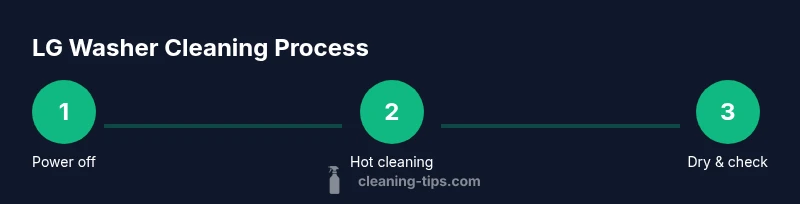
A disciplined approach keeps the drum clean and the seal mold-free. Follow these actions in order to thoroughly refresh the drum and gasket. Start by unplugging the machine and ensuring the power is off to prevent electric shock. Run a hot water cleaning cycle with a washer cleaner or cup of white vinegar, selecting the hottest program your LG model allows. Pause briefly if the cycle offers a pause function, to add additional cleaner to the drum if needed. Once the cycle completes, open the door and wipe the drum interior, including the folds of the rubber gasket, with a microfiber cloth. Inspect for any remaining residue and treat stubborn spots with a soft brush. Leave the door ajar to air-dry for at least an hour.
This routine tackles the two biggest problem areas first: the drum and the gasket. The heat and cleaning agent help dissolve buildup, while the wiping removes what the cycle can’t fetch. Regular attention makes subsequent cleanings faster and more effective, and it reduces the risk of mold returning between sessions.
Cleaning the detergent drawer and hoses
Detergent drawers collect soap scum, fabric softener residue, and sometimes mold. Remove the drawer entirely if possible, rinse under warm running water, and soak in a solution of warm water and mild soap for 5–10 minutes. Use a soft brush to scrub away any stubborn residue, paying particular attention to the corners and spray holes. Rinse thoroughly and dry before reinstalling. If hoses are accessible, inspect them for mineral buildup or cracks and run a rinse cycle to flush any lingering cleaner from the system. Reinsert the drawer securely to prevent leaks or misalignment.
Regular drawer maintenance prevents clogging, ensures even dispensing of detergent, and keeps cycles running smoothly. This small preventive step pays off with cleaner clothes and quieter operation.
Descaling and odor elimination: deodorizing the tub and seals
Hard water and residual soap can leave a mineral film in the tub that harbors odors. A descaling approach using vinegar or dedicated descaling products can help. Run a hot cleaning cycle with vinegar or cleaner, then wipe the drum and gasket again to remove any loosened deposits. If you live in hard-water areas, consider adding a monthly vinegar bath or a dedicated descaler to your routine. After cleaning, leave the door ajar so air circulates and the surfaces dry thoroughly, reducing the chance of mold growth. Consistent drying and ventilation are as important as the cleaning itself for odor control.
Maintenance schedule and routine tips for long-term care
To keep your LG washer fresh, set a quarterly or monthly reminder depending on usage and water hardness. Use the highest water temperature allowed for the cycle you select, and alternate between a cleaner cycle and a vinegar-based cleaning session to balance mineral removal with odor control. Consistently wipe the gasket and detergent drawer after cycles, and leave the door open between uses to aid drying. If you notice recurring smells or visible mold, adjust the schedule to more frequent cleanings and inspect the seals and connections for leaks that could contribute to moisture retention.
A simple log of cleaning dates helps you stay on track, and documenting any unusual findings can guide when you need service or more intensive maintenance.
Troubleshooting common issues after cleaning
If you still detect odors after cleaning, re-run the cleaning cycle with fresh cleaner and inspect the door gasket folds for hidden mold. A persistent smell may indicate mineral buildup or detergent residue deeper in the tub, which may require a second cycle or a dedicated descaler treatment. If you observe leaks or unusual noises, stop using the machine and consult the LG user manual for safe reset procedures. In most cases, a disciplined, repeatable cleaning routine eradicates odor and residue and restores performance.
Remember: if odors persist despite cleaning, there could be a deeper underlying issue such as a clogged drain or failing seal; in that case, contact a professional technician.
Authoritative sources
For further guidance and safety considerations, consult authoritative sources:
- Energy.gov – Appliances and energy efficiency guidance relevant to cleaning and maintaining home appliances.
- EPA – Indoor air quality and residential appliance maintenance best practices.
- OSHA – General safety considerations for household maintenance and electrical safety during cleaning tasks.
Tools & Materials
- White vinegar (5-6% acidity)(Use 1 cup per cleaning cycle to dissolve mineral deposits)
- Baking soda(Neutralizes odors and helps remove buildup)
- Washing machine cleaner or dedicated powder(Follow product directions)
- Microfiber cloths(At least two; for surfaces and drying)
- Soft-bristled brush or old toothbrush(Scrubs folds in gasket and dispenser)
- Spray bottle(Mix vinegar or cleaner solutions)
- Small bucket(Optional for drawer soaking)
- Cleaning gloves(Protect hands during scrubbing)
Steps
Estimated time: 60-75 minutes
- 1
Power off and unplug
Unplug the washer before cleaning to prevent electrical shock. If there is a master switch, turn it off first and then unplug the cord.
Tip: Keep the cord away from water and keep it in sight to avoid tripping hazards. - 2
Run a hot cycle with cleaner
Add a washer cleaner or a cup of white vinegar into the detergent compartment. Run the hottest cycle your model allows.
Tip: If your LG model has a dedicated deep-clean option, use it for a more thorough refresh. - 3
Wipe drum and door seal
After the cycle, wipe the drum interior and the folds of the door gasket with a microfiber cloth. Look for mold and residue and address it with a light scrub.
Tip: Don’t miss the gasket folds where mold tends to hide. - 4
Clean the detergent drawer
Remove the drawer if possible, soak in warm soapy water, scrub with a soft brush, rinse, and dry before reinserting.
Tip: Pay attention to spray holes and corners to prevent future clogs. - 5
Flush hoses and run rinse cycle
Run another hot cycle with plain water to flush out any remaining cleaner. If odors linger, run a second rinse or use a dedicated descaler.
Tip: Check hoses for kinks and proper drainage during the rinse. - 6
Dry unit and ventilate
Leave the door or lid open to air-dry the tub and gasket. Use a fan in humid spaces to speed drying.
Tip: Ventilation reduces future mold risk and keeps interiors dry. - 7
Address mineral buildup
If hard water is common in your area, perform a monthly vinegar bath and consider a water-softening solution to reduce mineral deposits.
Tip: A simple water-softener can lessen ongoing buildup. - 8
Create a maintenance plan
Set reminders for regular cleanings and adjust frequency based on usage and detergent type. Keep a cleaning log.
Tip: Document the date and any notable findings to guide future sessions.
Questions & Answers
How often should I clean my LG washing machine?
Aim for a deep clean every month if you use it frequently; in hard-water or high-use homes, cleaning every 2-4 weeks may be helpful. Adjust based on odor and residue.
Clean it monthly, or more often if you notice odors or buildup.
Can I use vinegar to clean my LG washer?
Yes, vinegar is a common, gentle cleaner for washing machines. Avoid mixing it with bleach or ammonia, and use it in moderation.
Vinegar is fine for cleaning, but don’t mix it with bleach.
What if I notice mold in the door seal after cleaning?
Repeat the cleaning cycle focusing on the seal folds. If mold persists, consider a dedicated mildew remover safe for washing machines and check for leaks.
If you see mold, re-clean the seal folds and consider a milder mildew remover.
Are there LG-specific cleaning recommendations?
Consult the LG user manual and use hot water with a mild cleaner; avoid harsh solvents that could damage seals or plastics.
LG manuals suggest hot-water cleaning with mild cleaners; avoid harsh chemicals.
Is it safe to unplug during cleaning?
Yes. Unplug before cleaning. If you must unplug during a cycle, stop the cycle safely and then unplug.
Yes—unplug first and avoid touching live parts.
What should I do if the odor persists after cleaning?
Run another cleaning cycle with fresh cleaner, check the gasket and drawers for hidden buildup, and consider a mineral-descaling cycle if needed.
If the smell sticks around, run another cleaning cycle and inspect the seals.
Watch Video
The Essentials
- Unplug before cleaning to stay safe.
- Use hot water plus cleaner or vinegar for best results.
- Wipe seals and drawers to remove hidden mold-prone residue.
- Run a cleansing cycle and an extra rinse to flush residues.
- Maintain a monthly cleaning routine to prevent buildup.