Trash Can Clean Service: How to Hire, Prepare, and Maintain
Learn how to hire and use a trash can clean service to keep bins odor-free and hygienic. This guide covers selecting a provider, preparation steps, what to expect during visits, maintenance tips, and safe practices.


With a trash can clean service, you’ll learn how to prep, what to expect during a visit, and how to maintain odor-free bins. This guide covers when to hire, safety steps, and aftercare for a lasting clean. By following these steps, you can achieve a healthier, fresher trash can with minimal guesswork.
What is a trash can clean service and why you might need it
A trash can clean service is a specialized cleaning session focused on sanitizing both the interior and exterior of household trash cans. Professionals use purpose-built tools, cleaners, and procedures to remove stuck residues, rinse away debris, and neutralize odor-causing compounds. The goal is not just a quick rinse but a thorough, hygienic reset that helps prevent bacteria growth and lingering smells in kitchens, laundry rooms, and shared spaces. You might consider this service if odors are persistent, if you share bins with roommates or family members, or if you simply want to reduce the time you spend scrubbing every week. For households with pets, kids, or compost setups, regular professional cleaning can contribute to better indoor air quality and a more pleasant living environment. According to Cleaning Tips, investing in a periodic trash can clean service can lower recurring odor complaints and improve sanitation without creating extra work for you. The service is a good option for busy homeowners who want a reliable, hands-off approach to bin hygiene.
How a professional service differs from DIY cleaning
Professional trash can cleaning employs industrial-grade cleaners, dedicated equipment, and standardized sanitation protocols that are typically beyond what a household bottle of cleaner can achieve. A service visit often includes interior scrubbing, exterior wipe-downs, lid sanitation, deodorizing, and disinfection with products chosen for efficacy and safety around food-contact containers. DIY cleaning, by contrast, relies on store-bought cleaners, hand scrubbing, and ad hoc odor control. While DIY methods can be sufficient for light residue, a professional service provides a deeper clean, consistent results, and time savings—especially for high-traffic or shared bins. The Cleaning Tips team notes that regular professional cleaning can lead to more reliable odor control and a lower risk of cross-contamination in kitchens and service areas.
What is included in a trash can clean service
Most providers offer a comprehensive package that covers both interior and exterior cleaning. Typical inclusions are exterior rinsing and scrubbing, interior scrubbing, lid cleaning, deodorizing, and disinfection of all contact surfaces. Some services may replace liners or offer odor-neutralizing treatments and a quick scrub of nearby can accessories. It’s common to request a pre-clean inspection to identify stubborn residues, rust spots, or wear that could affect performance. Always confirm whether the service uses child- and pet-safe cleaners and whether they have certifications or insurance. A transparent provider will outline steps, products, and any add-on options before you commit.
Prep steps before the service visit
Before the technician arrives, clear the area around your bins and remove any trash bags. If possible, place cans in a sheltered or outdoor space to minimize mess indoors. Jot down any known odors, bin materials, and whether you use recycling or compost liners so the cleaner can tailor the approach. If you have multiple bins or special containers (such as a compost bin with partial contents), note their locations and any restrictions. Removing loose debris from the exterior and rinsing the interior briefly can help speed up the visit, but do not scrub heavily or soak overnight; the service will handle heavy residues with appropriate tools.
What happens during the cleaning appointment
During the appointment, a technician assesses each bin, confirms the scope of work, and follows a standardized cleaning protocol. They typically remove liners, treat interior surfaces, scrub stubborn spots, rinse, and dry surfaces thoroughly. Deodorizing agents or disinfectants may be applied to neutralize odors and prevent bacteria growth. The lid and handle areas receive special attention to remove grime that accumulates from frequent handling. If a bin is very worn or corroded, the provider may suggest replacement or a longer-term maintenance plan. Expect the process to take roughly the time needed for the number of bins being serviced.
Aftercare and odor control tips
Once the cleaning is complete, allow bins to air-dry completely before returning liners. To maintain freshness between visits, keep lids closed, wipe down surfaces weekly, and consider a lightweight odor absorber like baking soda or a sealed deodorizer placed near the cans. Regular maintenance, such as weekly rinsing and a monthly disinfectant spray, can prolong results. If odors return quickly, discuss a higher-maintenance plan or additional deodorizing options with your service provider. Documenting results with photos can help you track improvements over time and justify ongoing service to household members.
DIY maintenance between visits
Between professional visits, you can maintain hygiene with a simple routine. Rinse and dry bins after disposal, wipe interior walls with a mild soap solution, and spray a non-staining disinfectant on high-touch areas. Avoid mixing cleaning agents that can produce fumes; never combine bleach with ammonia. Use liners to minimize residue, replace them frequently, and keep bins in a ventilated area. By establishing a quick weekly routine, you reduce odor buildup and extend the life of your bins, whether you rely on a trash can clean service or handle maintenance yourself.
How to choose a provider
Choosing a reputable trash can cleaning provider requires clear communication, safety assurances, and transparent pricing. Look for insured and trained technicians, a defined cleaning protocol, and a written estimate. Ask about eco-friendly products, service frequency options, and whether they accommodate home sanitation standards or food-contact bins. Reading customer reviews and requesting references can help you verify consistency. Finally, confirm scheduling flexibility and whether the provider can handle multiple can sizes and configurations.
Authority sources and safety considerations
For best practices in cleaning and disinfection, consult authoritative sources on cleaning protocols and safe products. The CDC’s guidelines on cleaning and disinfecting homes provide general principles you can apply to trash can hygiene, while the EPA offers information about approved disinfectants and safe usage. The World Health Organization also publishes public guidance on sanitation and household hygiene. These sources help inform safe, effective approaches and support decisions about whether to hire a professional service or manage cleaning in-house. Links: https://www.cdc.gov/coronavirus/2019-ncov/prevent-getting-sick/cleaning-disinfection.html, https://www.epa.gov/coronavirus-disinfectants, https://www.who.int/emergencies/diseases/novel-coronavirus-2019/advice-for-public
Tools & Materials
- Nitrile gloves(Protect hands during cleaning)
- Scrub brush (soft and firm)(For interior and exterior surfaces)
- Dish soap or mild detergent(General cleaning power)
- Disinfectant spray or diluted bleach solution(Sanitizing surfaces (follow label))
- Bucket or spray bottle(Carry water and cleaners)
- Microfiber cloths(Wipe and dry surfaces)
- Odor absorber or baking soda(Neutralize smells between cleanings)
- Bin liners(Fresh liners for after cleaning)
- Gloves for exterior handling(Protect hands when moving cans)
Steps
Estimated time: 60-120 minutes (plus scheduling)
- 1
Identify goal and scope
Decide whether you’re scheduling a one-off professional clean or setting up a recurring service. Clarify bin types, locations, and any odour concerns. This helps the provider tailor the visit to your needs.
Tip: Document bin sizes, materials, and any special handling notes. - 2
Find providers and request quotes
Search local options, compare services, and request quotes. Ask about products used, safety certifications, and whether they service your bin configuration.
Tip: Ask for a written plan outlining steps and product safety data. - 3
Prepare bins for service
Empty all trash and remove liners. Rinse exterior surfaces and move cans to a reachable area. Provide any access instructions or parking notes to the technician.
Tip: Remove fragile lids or accessories that may complicate cleaning. - 4
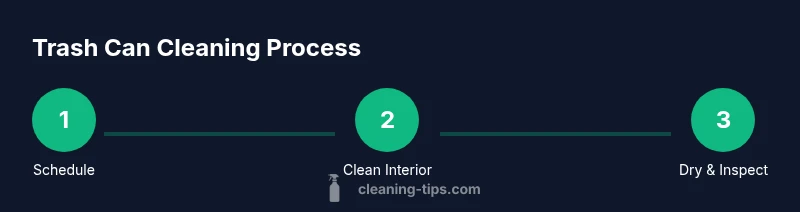
Schedule the appointment
Choose a convenient date and time window. Confirm expectations such as interior cleaning, deodorizing, and any add-ons. Share bin quantities and locations.
Tip: Ask about cancellation policies and rescheduling options. - 5
On arrival and assessment
The technician assesses the bins, confirms scope, and prepares the workspace. They may outline any precleaning steps or safety cautions for your household.
Tip: Ensure pets and children are kept away during the visit. - 6
Cleaning and disinfection
Interior and exterior scrubbing, lid sanitation, and odor neutralization are performed using approved cleaners. Any stubborn spots receive targeted treatment.
Tip: If you prefer fragrance-free products, confirm in advance. - 7
Drying and inspection
Bins are dried thoroughly to prevent moisture and mold. The technician reviews results and confirms if you’re satisfied or if follow-up is needed.
Tip: Ask for best practices to prevent future odors. - 8
Post-service maintenance
Return liners, store bins properly, and implement a simple routine to keep bins clean between visits. Consider a maintenance plan if odor recurs.
Tip: Keep a small deodorizing kit handy near the bins. - 9
Follow-up and feedback
Provide feedback, request receipts, and discuss future scheduling. A good provider will offer flexible options and clear communication.
Tip: Note any issues for future improvements.
Questions & Answers
What is included in a trash can clean service?
Most services include exterior cleaning, interior scrubbing, lid sanitation, deodorizing, and disinfection. Some plans add liner replacement and odor neutralizers. Always confirm the exact scope before booking.
Most services include exterior cleaning, interior scrubbing, lid sanitation, and deodorizing; confirm the exact scope before booking.
How often should I schedule trash can cleaning?
Frequency depends on usage, odor levels, and household needs. Busy households or shared spaces often benefit from a quarterly or bi-monthly schedule to maintain hygiene and freshness.
Frequency depends on usage and odors; many households opt for every few months.
Is it safe for plastic bins and food-contact surfaces?
Most providers use products that are safe for plastic bins and food-contact surfaces when used as directed. Always ask about product safety data and whether they offer fragrance-free options.
Providers use safe cleaners for plastics; ask for fragrance-free options if needed.
Do I need to empty or rinse the bin before service?
Yes. Empty the bin and remove liners. A light rinse helps, but avoid heavy scrubbing that could splash cleaners onto non-target surfaces.
Please empty the bin and remove liners before the visit.
What is the typical cost of a trash can cleaning service?
Prices vary by location, bin size, and service level. Expect a range based on the number of bins and whether add-ons are included; ask for a written quote before scheduling.
Costs vary by location and service level; get a written quote first.
Can I do it myself if I can’t hire a service?
Yes. Use a mild detergent, hot water, and a disinfectant approved for plastics. Rinse thoroughly and allow drying between uses. This can help in-between professional visits but may not replace a deep clean.
You can DIY with safe cleaners; it won't always replace a deep professional clean.
Watch Video
The Essentials
- Clarify goals before hiring a service.
- Choose products and methods with safety in mind.
- Prepare bins and spaces to streamline the visit.
- Maintain results with a simple between-visit routine.