How to Use a Clean Trash Bin Service for Odor-Free Bins
Discover how a clean trash bin service works, what to expect, and how to prepare. This guide covers selecting providers, scheduling, and maintenance tips for odor-free bins.


A clean trash bin service is a professional cleaning solution that sanitizes, deodorizes, and disinfects residential or commercial bins on-site, using safe cleaning agents and odor-control methods. It helps reduce bacteria, pests, and persistent odors while extending bin life. This guide explains how to evaluate providers, what to expect during a visit, and how to maintain cleanliness between services.
Why a Clean Trash Bin Service Matters
Odors from bins can linger for days, creating an inviting environment for bacteria, mold, and pests. A dedicated trash bin cleaning service targets the root causes: organic residue, moisture, and cross-contamination between uses. The Cleaning Tips team notes that professional cleaning goes beyond rinsing; it uses appropriate disinfectants and odor-control methods that are safe for homes and the environment. Regular cleaning reduces biofilms, minimizes cross-contamination, and helps bins last longer. For households with children or pets, a hygienic bin becomes a safer, more comfortable part of daily life. In warmer months, service frequency often increases to counteract heat-driven odor growth. Booking a service also gives you a fresh start—bins are returned to you clean, dry, and ready for use. According to Cleaning Tips, a focused trash bin cleaning service can dramatically cut odors and bacterial buildup, especially when combined with a simple between-service maintenance routine. In short, a professional clean bin service acts as a practical, proactive defense against everyday messes.
What a Typical Trash Bin Cleaning Service Includes
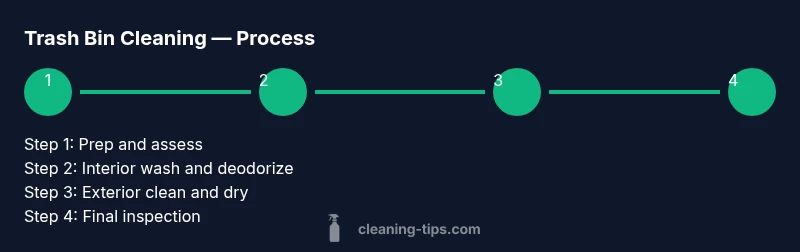
Most providers begin with a surface wipe to remove loose debris, then give the interior and lid a thorough wash using degreasers and mild disinfectants compatible with plastic and stainless steel bins. Odor-control is often achieved with enzymatic or citrus-based deodorants rather than harsh solvents. Some services offer exterior cleaning, rust protection, and liner replacement to simplify maintenance between visits. The goal is complete sanitation, not just appearance. Based on Cleaning Tips analysis (2026), professional bin cleaning emphasizes safe, non-toxic products and clear communication about what is or isn’t included in the price. Expect a service to cover interior scrubbing, exterior rinsing, deodorization, dry-down, and a quick inspection for damage. If your bin has stubborn residues or strong odors, ask about specialized treatments and whether they require pre-treatment or extra time. A reputable provider will also discuss sanitation standards, whether they use hot water or steam, and how they handle waste water. By the end, your bins should be visibly cleaner, smell fresher, and be dry to the touch.
Frequency, Scheduling, and Value
How often you should schedule depends on usage, location, and household factors. A family with frequent waste, compost, and sensitive residents may benefit from monthly visits, while smaller households or offices may manage with quarterly cleanings. Consistency matters more than exact timing; regular service prevents odor buildup and reduces the need for stronger cleaning agents. The Cleaning Tips analysis indicates that routine bin cleaning correlates with fewer odor complaints and lower microbial presence within bins. In apartment buildings, shareable cleaning plans or community discounts can lower per-bin costs. When evaluating cost, consider not just per-visit price but also travel fees, bin size, and whether the service includes liner replacement, interior drying, or odor blockers. For seasonal peaks (summer, holidays), you may opt for short-term increases in frequency. A smart approach is to start with a baseline schedule (e.g., every 6 weeks) and adjust based on results and budget.
How to Choose the Right Trash Bin Cleaning Provider
Look for eco-friendly products (biodegradable detergents, non-toxic disinfectants) and clear label information about ingredients. Check whether the provider follows local hygiene regulations and whether they hold any certifications or training in sanitation. Customer reviews, transparent pricing, and a consistent service window are practical signals of reliability. Ask about water usage, drying methods, and whether bins are sanitized with heat, steam, or chemical disinfection. If you prefer DIY approaches, some companies offer a hybrid model: you book the service while they also provide guidance for at-home maintenance. The Cleaning Tips team recommends looking for providers that publish a simple, written process, so you know exactly what to expect during a visit, from arrival to completion. Also verify accessibility for your building’s entry, elevator, or restricted spaces, and confirm whether they offer a satisfaction guarantee or a re-clean if you’re not satisfied.
How to Prepare Your Bins and Space
Before the cleaners arrive, empty bins and remove liners; place lids in a quarantine spot if possible to avoid cross-contamination. Clear a nearby parking space or entry path, and ensure water and power access if the service requires heating or steam. Remove any personal items from inside the bin area, as well as attractants like pet food or leftovers that could hinder the cleaning process. If odors are especially strong, inform the team in advance so they can plan the appropriate deodorization method. For apartments, coordinate with building management about access times and security protocols. Having a labeled, accessible area reduces scheduling delays and helps technicians work efficiently. As a best practice, place a note for the cleaning crew with any specific requests or sensitive items. According to Cleaning Tips, preparation improves results and reduces the risk of re-contamination after service.
What to Expect During a Visit
Technicians typically arrive within a scheduled window, introduce themselves, and perform a quick site assessment. Interior cleaning usually starts with removing loose debris, a thorough wash with approved cleaners, and a deodorizing treatment. Exterior surfaces, lids, and handles receive focused attention. Drying steps are important to prevent moisture-induced odors. The team may seal the bin to prevent future odors for a period, or provide an odor-blocking liner for ongoing use. If sanitizing is included, you’ll hear about the disinfectant dwell time: the period products need to stay wet on surfaces to work effectively. After the cleaning, technicians inspect for any damage or wear and provide care tips for the bin. Expect a brief recap and a reminder of follow-up maintenance windows. For better outcomes, confirm whether the visit includes interior odor testing or a quick microbial check.
DIY Maintenance Between Cleanings
Between visits, you can extend cleanliness with simple routines: rinse bins with a mild vinegar solution, dry thoroughly, and air out lids after disposal. Use liners and replace them regularly to reduce residue buildup. Keep the outside area free of food scraps to prevent attracting pests. Store cleaning tools in a dedicated cabinet to avoid cross-contamination with other surfaces. If you spot mold or mildew, treat promptly with a diluted bleach solution or an EPA-approved cleaner, following safety guidelines. For households with children or pets, consider a routine that prioritizes odor control and secure storage of cleaners. Remember, even small, consistent actions can dramatically improve bin hygiene until the next service.
Common Myths About Trash Bin Cleaning
- Myth: Cleaning is optional in cooler months. Reality: Odor and residue can accumulate year-round. Regular maintenance helps prevent buildup.
- Myth: Any cleaner will do. Reality: Harsh chemicals can degrade bins and pose safety risks; non-toxic options are best.
- Myth: DIY cleaning is always cheaper. Reality: Professional services can prevent costly damage and provide better odor control.
- Myth: Bins don’t need drying. Reality: Proper drying reduces bacteria growth and prevents mildew.
- Myth: Odors disappear on their own. Reality: Odors persist without targeted deodorization and sanitation.
Cost ranges and Scheduling (Value for money)
Typical per-bin price ranges from $20-$60 for interior cleaning to $70-$150 for full-service cleaning including exterior surfaces and deodorization. Many providers offer package deals for multiple bins or recurring schedules (monthly, quarterly, or on-demand). When evaluating value, consider whether the price includes liners, odor blockers, travel fees, and the number of bins cleaned per visit. If you have a shared building, inquire about bulk rates or community plans. A clear contract that lists services, guarantees, and re-clean options helps prevent surprises and ensures you get consistent results. Remember that higher upfront costs may yield better odor control and longer bin life, reducing long-term maintenance expenses.
Tools & Materials
- Biodegradable cleaning solution(Non-toxic, suitable for plastic and metal bins)
- Non-toxic disinfectant (EPA-registered)(Follow label directions; avoid mixed chemical use)
- Nitrile gloves(Comfortable, powder-free; for chemical handling)
- Scrub brush(Stiff-bristled interior scrubbing tool)
- Microfiber towels(For drying and detailing surfaces)
- Trash liner bags(Used for liner replacement when included in service)
- Bucket(For diluted cleaners and rinsing)
- Hose with spray nozzle(Access to water; hot water optional)
Steps
Estimated time: 60-120 minutes
- 1
Define your goals
Identify why you want service (odor control, sanitation, frequency). Clarify bin count and any accessibility needs. This helps you choose the right package.
Tip: Write down expected outcomes and any hard constraints (parking, building access). - 2
Request quotes and compare
Contact multiple providers, ask for a written scope of work, and compare included services, products, and guarantees.
Tip: Request a copy of the cleaning product list to ensure non-toxic options. - 3
Choose a plan and book
Select frequency (monthly, quarterly) and confirm visit windows. Confirm access instructions and currency of the contract.
Tip: Ask about a satisfaction guarantee or re-clean option. - 4
Prepare bins for service
Empty bins, remove liners, and ensure path to the cleaning area is clear. Note odor hotspots to the technician.
Tip: Provide building access details and security protocols in advance. - 5
Receive service and observe
Watch the team perform interior and exterior cleaning, drying, and deodorization. Note any recommended next steps.
Tip: Ask for a quick recap and care tips before they leave. - 6
Inspect and schedule follow-up
Check that the bins are dry, clean, and odor-free. If results aren’t satisfactory, discuss the re-clean policy.
Tip: Keep a simple calendar reminder for your next visit.
Questions & Answers
What exactly is included in a trash bin cleaning service?
Most services include interior cleaning, exterior washing, deodorization, and drying. Some providers also offer liner replacement and odor-blocking solutions. Always check included items before booking.
Most bin cleanings cover interior and exterior cleaning, deodorizing, and drying; liners and odor control may be extra.
Are eco-friendly products available?
Yes. Reputable providers offer non-toxic, biodegradable cleaners and EPA-registered disinfectants. If you have sensitivities, verify product lists beforehand.
Yes, eco-friendly options are commonly available; always confirm the product list before service.
How long does a typical visit take?
A standard interior-exterior cleaning for a few bins generally takes about 60 to 120 minutes depending on bin size and condition.
Most cleanings take about an hour to two hours.
How often should I schedule trash bin cleaning?
Frequency depends on usage and location. Monthly to quarterly cleanings are common; high-usage households may benefit from monthly visits.
It depends on how noisy your bin is, but monthly to quarterly is typical.
Do I need to be present for the service?
Not always. Many providers can access bins via building management or a pre-arranged entry plan. Check with your chosen service.
Usually you don’t need to be there; arrange access with the provider.
What if I’m not satisfied with the results?
Ask about the provider’s re-clean policy or guarantee. Re-cleans are common if issues persist after the initial service.
If you’re not happy, contact the provider for a re-clean under their guarantee.
Watch Video
The Essentials
- Choose an eco-friendly provider with clear processes
- Regular bin cleaning reduces odors and pests
- Prepare bins and access to speed up the visit
- Ask about guarantees and what’s included to ensure value
- Schedule a consistent maintenance cadence for best results