What Clean Hardwood Floors With: A Practical Guide
Learn how to clean hardwood floors safely using minimal moisture, a pH-neutral cleaner, and a damp microfiber mop. This guide covers tools, steps, tips, and common questions from Cleaning Tips for durable, healthy wood floors.


This guide shows you how to clean hardwood floors with care, using minimal moisture, a pH-neutral cleaner, and a damp microfiber mop. You’ll learn the essential steps, the right tools, and safety tips to protect finishes, prevent warping, and keep floors looking fresh. Follow these methods for durable results across daily, weekly, and seasonal cleaning routines.
Understanding what clean hardwood floors with really means
Understanding what clean hardwood floors with really means boils down to two ideas: minimize moisture and choose a pH-neutral cleaner. The Cleaning Tips team emphasizes that wood finishes vary, and some polyurethane or wax layers react differently to household cleaners. In practice, this means selecting products labeled safe for hardwood, applying them with a damp microfiber mop, and avoiding soaking the floor. Moisture is the enemy of untreated or poorly sealed wood, so quick-drying after cleaning is essential. When you ask what clean hardwood floors with, you are seeking a maintenance routine that protects the finish, preserves shine, and extends the life of the wood. The best results come from pairing a simple routine with the right tools and a clear plan that matches your floor’s finish and environment. Your approach should include dust-free prep, controlled moisture, and timely drying to prevent water from penetrating seams and edges. Cleaning hardwood floors is not about using the strongest cleaner; it’s about using the right cleaner, the right amount of moisture, and the right timing to preserve beauty over years.
Tools and cleaners: choosing safe options
Selecting the right tools and cleaners is as important as the method itself. For hardwood floors, use tools that don’t scratch or saturate the wood. A soft-bristle broom or a dry dust mop helps remove loose debris before any liquid cleaning. A vacuum with a hard-floor setting (and no aggressive beater bar) is ideal for crevices between planks. For cleaning, choose a pH-neutral hardwood floor cleaner and follow label directions. Avoid generic dish soap, vinegar, or ammonia-based products, which can dull finishes or leave residue. Keep a microfiber cloth handy for spot cleaning and drying after damp mopping. Testing cleaners in an inconspicuous corner is a small step that saves you from costly refinishing later, a principle Cleaning Tips emphasizes in every guidance.
Routine planning: daily, weekly, seasonal
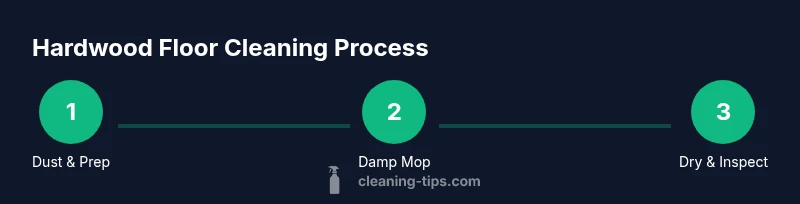
A structured cleaning schedule keeps hardwood floors looking their best. Daily, perform light dusting or a quick sweep to remove grit that can abrade the finish. Weekly, perform a damp mop with a well-wrung microfiber mop to lift grime without saturating the wood. Seasonal care may include deeper cleaning with a dedicated wood floor cleaner and a careful inspection of the finish for scratches or wear. Always dry the floor thoroughly after any damp cleaning and avoid letting standing moisture sit on the surface. This rhythm minimizes wear and helps you spot potential issues early, such as swelling gaps or worn finishes that may require refinishing.
Stain, spill, and damage management
Spills should be wiped immediately with a dry microfiber cloth or a lightly damp cloth, then dried promptly. For sticky residues, rub with a small amount of cleaner on a cloth rather than pouring liquid directly onto the floor. Avoid harsh abrasives or steel wool that can scratch. If you notice dulling or a cloudy film, re-check your cleaner selection and application method; sometimes buildup can mimic damage. If moisture has caused warping or lifting, contact a professional about refinishing or possible board replacement. Regular maintenance combined with careful cleaning reduces the risk of long-term damage.
Tools & Materials
- Soft-bristle broom(Use for dry dusting before mopping)
- Dust mop or microfiber sweep(Alternative to a broom with softer fibers)
- Vacuum with hard-floor setting(No beater bar to prevent scratches)
- Microfiber mop(Wring well to keep floor damp, not wet)
- Microfiber cloths(Spot cleaning and drying; lint-free)
- pH-neutral hardwood floor cleaner(Follow label directions for dilution)
- Water bucket(Use only for dilution if the cleaner requires it)
- Dry towels or chamois(Speed drying after damp cleaning)
- Gloves(Skin protection if you have sensitive hands)
- Edge-safe scraper or putty knife(Gently lift tough residues without scratching)
Steps
Estimated time: 60-75 minutes
- 1
Clear the space and remove obstacles
Move furniture and rugs away from the cleaning area. This ensures you can reach every plank and prevents moisture from getting trapped under heavy items. Clear lighting helps you spot dust and debris that could abrade the finish during cleaning.
Tip: Plan your route so you finish with a central area you can easily dry. - 2
Dry-dust or vacuum edges first
Use a soft broom or vacuum with a hard-floor setting to remove loose dust at the edges and in corners. This reduces drag and prevents grit from grinding into the surface during damp cleaning.
Tip: Always move along the grain when possible to minimize scratching. - 3
Vacuum or sweep the main surface
Pick a method you’re comfortable with for the main surface, ensuring you cover every plank. Avoid damp mops until you’ve removed loose debris completely to prevent muddying the floor.
Tip: Keep the vacuum nozzle slightly above the floor to avoid gouging. - 4
Prepare cleaning solution according to label
Pour or mix the cleaner as directed on the bottle. Use a bucket only if dilution is required, and never pour cleaner directly onto the floor. This helps control moisture and prevents finish damage.
Tip: If you’re unsure about dilution, test in a small area first. - 5
Dampen the mop and clean in sections
Wring the microfiber mop until it is damp, not wet. Clean the floor in manageable sections, following the grain where possible and avoiding pooling water. Rinse the mop frequently to prevent redepositing grime.
Tip: Avoid circular scrubbing that can wear down the finish. - 6
Spot-clean stuck-on residue
Apply a tiny amount of cleaner to a cloth and rub the residue gently. Do not scrub aggressively; this can scratch the surface. Move from edge to center to prevent recontamination.
Tip: Use a scraper only if necessary and carefully to avoid surface damage. - 7
Dry the floor completely
Go over the surface with dry towels or a clean microfiber cloth to absorb residual moisture. A dry surface reduces standing water risk and helps you see if any area needs re-cleaning.
Tip: Ventilate the room to speed up drying if possible. - 8
Return furniture and inspect finish
Replace items once the floor is fully dry. Inspect for any dull spots or moisture damage and plan refinishing if you notice wear. Document what worked for future cleanings.
Tip: Place felt pads under heavy furniture to minimize future scratches.
Questions & Answers
Can I use vinegar on hardwood floors?
Vinegar is acidic and can dull finish over time. It’s safer to stick with a pH-neutral cleaner formulated for hardwood and only use it as directed. Always test any cleaner in a hidden area first.
Vinegar can dull the finish, so it’s best to avoid it on hardwood floors and use a pH-neutral cleaner instead.
Is steam cleaning safe for hardwood floors?
Steam cleaning is generally not recommended for hardwood floors due to the risk of moisture damage and warping. Stick to damp mopping with a properly diluted cleaner and dry immediately.
Steam cleaning is usually not recommended because moisture can damage hardwood floors.
How often should I mop hardwood floors?
You don’t need to mop daily. Prioritize dry dusting daily, then perform a damp mop weekly or as needed based on dirt buildup and traffic. Always dry the floor after mopping.
Dry dust daily and damp mop weekly, then dry thoroughly to finish.
What should I do about spills and sticky spots?
Wipe spills immediately with a dry cloth, then damp-wipe if needed and dry right away. For sticky residues, use a small amount of cleaner on a cloth rather than applying liquid directly to the floor.
Wipe spills right away and use a cloth with cleaner for sticky spots, then dry.
Can I use a steam mop on engineered hardwood?
Steam mops pose a risk to engineered hardwood because of moisture. Check your flooring specifications and use damp cleaning methods only when approved by the manufacturer.
Steam mops can cause moisture damage on engineered hardwood; follow manufacturer guidance.
Should I wax hardwood floors after cleaning?
Most modern finishes do not require wax and can be damaged by wax buildup. Follow the finish manufacturer’s recommendations and use only approved products.
Wax isn’t usually needed and can build up on some finishes; follow your finish’s guidance.
Watch Video
The Essentials
- Use minimal moisture to protect the wood finish.
- Choose a pH-neutral cleaner and follow label directions.
- Always dry the floor promptly after cleaning.
- Spot-clean and test products before wide use.
- Protect floors with felt pads and proper furniture care.