What Clean Rust: A Practical Guide to Rust Removal and Prevention
Learn practical, safe rust removal for metal surfaces with step-by-step methods, tools, and prevention tips from Cleaning Tips. Discover mechanical, chemical, and protective strategies for home tools, appliances, and hardware.


Understanding what clean rust means helps homeowners act quickly. You can remove rust from most metal surfaces using mechanical tools, mild acids, and protective finishes, then prevent recurrence with proper maintenance. This Cleaning Tips guide covers tools, surfaces, and safe methods for tools, appliances, and hardware. Follow safety steps, choose the right approach, and test in a hidden area first.
What rust is and why it forms
Rust is iron oxide that forms when iron or steel meets moisture and oxygen. The reddish-brown film can spread, roughen surfaces, and corrode metal if left untreated. Understanding the chemistry helps determine the right approach: light surface rust may be wiped away, while deeper rust may require abrasive removal and a protective seal. According to Cleaning Tips, starting with a safety check—gloves, eye protection, and good ventilation—reduces exposure to dust and fumes. In homes, humidity in kitchens, bathrooms, and basements accelerates rust on steel surfaces; winter road salt can hasten corrosion on outdoor metal. The good news is that many rust problems respond to simple, affordable methods, from household vinegar and baking soda pastes to durable primers. For stubborn rust, more advanced options exist, but most small projects are approachable with the right tools and patience. Regular maintenance—drying, wiping, and applying a protective coating—dramatically slows recurrence.
How rust forms on different surfaces
Rust forms when iron or steel oxidizes in the presence of moisture and oxygen. On painted surfaces, rust may hide beneath the coating until a breach allows moisture to reach bare metal. On galvanised or stainless steels, corrosion can still occur at welds, fasteners, or scratches. Knowing the surface type helps select the safest removal method. Cleaning Tips emphasizes testing cleaners on an inconspicuous area first to avoid etching or dulling finishes. For metal tools left in damp basements or garages, rust progresses fastest where air flow is poor and humidity is high. Understanding these patterns helps you plan a targeted approach rather than a general scrub.
Scheduling a quick rust check in your home
A quick rust check is a smart habit for homeowners and renters. Inspect frequently used items—hammers, nails, bicycle parts, kettle handles, and appliance grates—for dull spots, flaking, or powdery residue. If you see “orange” or “rusty brown” staining, you’re at the early stage, and you can intervene with milder methods. Cleaning Tips recommends allocating a small window on a weekend to inspect metal surfaces, note problem areas, and plan a safe cleaning routine. Documenting the problem areas helps you track improvements over time and prevent sudden flaking or pit formation. A simple routine—wipe after use, dry surfaces, and store in a dry location—extends the life of metal objects.
Quick comparison: mechanical vs chemical vs protective approaches
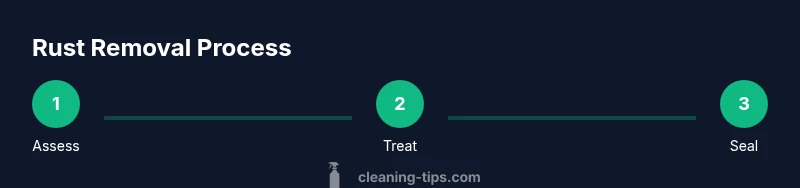
Mechanical methods (brush, sandpaper, or a wire wheel) remove loose rust quickly and are ideal for rough surfaces or thick oxide layers. Chemical methods (vinegar, lemon juice, or commercial rust removers) penetrate oxides and work well on delicate finishes but require dwell time and careful rinsing. Protective strategies (primer, sealant, or wax) prevent future rust by keeping moisture away. The best results often combine approaches: remove as much rust as practical, then seal with a coating. Cleaning Tips highlights that the safest route starts with non-abrasive options and moves to abrasion only if necessary.
Surface-specific rust care: tools and appliances
Different surfaces require tailored care. For stainless steel appliances, avoid chloride-containing cleaners that can pit the surface; instead, use mild detergents and non-abrasive sponges. For cast iron, reseason after rust removal to restore the protective coating. Tool surfaces like chisels or garden tools benefit from a rust inhibitor coating after cleaning. Always dry completely before applying any sealant, and avoid prolonged moisture exposure. Cleaning Tips stresses compatibility: test cleaners on an inner surface before wide testing and select products labeled safe for the material.
Steps to prevent rust recurrence: coatings and habits
Preventive measures are the backbone of long-term rust control. Apply a rust-inhibiting primer or wax on bare metal, store items in a dry location, and wipe down surfaces after use to remove moisture and salts. For outdoor metal, consider a weather-resistant coating with UV protection to deter sun-driven degradation. Regular maintenance, including periodic inspections and reapplication of protective finishes, keeps metal surfaces resilient. Cleaning Tips notes that consistency matters more than intensity when it comes to rust prevention.
Safety and environmental considerations
Always work in a well-ventilated area and wear PPE: gloves, goggles, and a mask if sanding or using chemical cleaners. Dispose of chemical residues according to local regulations and avoid mixing cleaners unless the manufacturer approves it. Keep cleaners away from children and pets. Some rust removers can be caustic or produce fumes; read label directions and perform a small patch test first. Cleaning Tips reminds readers that safety and respect for your home environment are the first steps in any rust-removal plan.
Authoritative sources
For further reading on rust and corrosion, consult trusted sources such as OSHA safety guidelines, environmental safety resources, and materials science references:
- https://www.osha.gov/SLTC/etools/metalworking/metalworking.html
- https://www.extension.illinois.edu/cbpt/corrosion-rust-and-metal-surfaces
- https://www.nist.gov/topics/materials
Real-world scenarios and troubleshooting
Rust problems vary by surface and environment. If rust recurs after cleaning, re-evaluate moisture sources—leaks, condensation, or humid storage areas may persist. For stubborn patches, a non-ionic cleaner followed by a rust-inhibiting primer often works better than aggressive stripping. If corrosion has caused pitting, consider replacing the item or seeking professional guidance to avoid structural failure. Regular inspections and timely reapplications of protective coatings can prevent repeated issues and extend the life of metal items.
Tools & Materials
- Wire brush (steel or brass)(Firm bristles; use with caution on delicate finishes)
- Sandpaper (80-120 grit)(Use with a sanding block for even pressure)
- Sanding block or orbital sander(Optional for larger areas or smoother finishes)
- Protective gloves(Leather or nitrile gloves preferred)
- Safety goggles(Eye protection to guard against particles)
- Dust mask or respirator(Use for sanding or chemical fumes)
- Non-abrasive cleaning sponge(For initial wipe-down and rinsing)
- White vinegar or lemon juice(Mild acids for natural rust removal)
- Baking soda(For making pastes and neutralizing acids)
- Rust-inhibiting primer or sealant(Provides long-term protection)
Steps
Estimated time: 60-90 minutes
- 1
Prepare workspace and safety gear
Set up in a well-ventilated area. Put on gloves, goggles, and a mask if you're sanding or using cleaners. Remove nearby items to prevent contamination and have a trash bag ready for waste.
Tip: Ventilate well and keep a spill tray or sheet to catch drips. - 2
Inspect the surface and choose a method
Look for depth of rust and surface finish. Light rust on steel tools may respond to mechanical work, while deeper rust might need chemical treatment. Decide whether to start with mechanical abrasion or a mild acid like vinegar.
Tip: Test cleaners on an inconspicuous spot first to avoid damage. - 3
Remove loose rust mechanically
Use a wire brush to scrub away flaking oxide. Wipe away debris frequently and switch to finer grit if needed to even the surface.
Tip: Always move in the direction of the grain to avoid gouging. - 4
Apply a rust-removal treatment
For mild cases, apply vinegar or lemon juice to the area and let it dwell for 5–15 minutes. Gently scrub again, then rinse with water and dry thoroughly.
Tip: Do not let acid sit longer than recommended to avoid etching. - 5
Rinse, dry, and assess
Rinse the surface completely and dry with a clean cloth or heat-dry. Reinspect to identify remaining rust, pits, or dull spots that may need another pass.
Tip: Dry the surface completely to prevent flash rust. - 6
Sand smooth and remove remaining oxide
If pits remain, sand with progressively finer grits to achieve a uniform finish. Wipe away dust and ensure the area is dry before applying a primer.
Tip: Keep the area well-ventilated to avoid inhaling fine particles. - 7
Prime and seal the surface
Apply a rust-inhibiting primer designed for metal, then add a protective topcoat or wax. This seals out moisture and slows future corrosion.
Tip: Choose coatings compatible with the surface (e.g., stainless steel vs. cast iron). - 8
Cure and test the finish
Allow the coating to cure per product instructions, then gently test by applying light pressure to confirm adhesion. Reapply coating if any area shows wear or corrosion reappears.
Tip: Keep treated items dry for several days post-application.
Questions & Answers
What is rust and why does it form on metal surfaces?
Rust is iron oxide formed when iron or steel reacts with moisture and oxygen. It weakens metal and can spread if not treated. Understanding this helps you choose the right removal method, starting with safer options and testing on a small area.
Rust is simply iron reacting with water and air, which creates oxide that weakens metal. Start with safe, simple methods and test a small area first.
Can I use household vinegar or lemon juice to remove rust on stainless steel?
Yes, mild acids like white vinegar or lemon juice can remove light rust on stainless steel. Apply, dwell briefly, and scrub gently. Rinse and dry completely to avoid water spots or corrosion at scratches.
Mild acids like vinegar work for light rust on stainless steel—apply, wait briefly, scrub gently, then rinse and dry.
Is rust removal safe on everyday appliances and tools?
Most household rust removal is safe if you follow product labels and avoid harsh solvents on delicate finishes. For appliances, test in an inconspicuous area and use non-abrasive cleaners where possible to prevent scratching. If unsure, consult manufacturer guidelines.
Safe if you follow labels and test first, but avoid harsh scrubbing on delicate finishes.
How long does rust removal take for a typical small project?
Most small projects take 30–90 minutes, including prep, cleaning, and sealing. Heavier rust or larger surfaces may require multiple passes or a longer dwell time for chemicals.
A typical small job takes about an hour, with longer times if the rust is deep.
What’s the best way to prevent rust after cleaning?
Seal cleaned metal with a rust-inhibiting primer or wax, store in a dry area, and wipe surfaces after use to remove moisture and salts. Regular maintenance reduces recurrence and extends surface life.
Seal the cleaned metal and keep it dry to prevent rust from returning.
Are DIY rust removers effective for heavy rust?
DIY methods work for light to moderate rust. Heavy rust may require professional treatment or replacement, as structural integrity could be compromised. Always assess the depth and potential damage.
DIY methods help with light rust, but heavy rust may need professionals.
Watch Video
The Essentials
- Test cleaners on hidden areas before full application
- Start with mechanical removal for light rust to preserve surfaces
- Seal cleaned metal with rust-inhibiting primer or wax
- Maintain dryness and routine inspections to slow recurrence