Baking Soda Clean Toilet Bowl: A Practical How-To
Learn a simple, affordable method to clean a toilet bowl using baking soda. This step-by-step guide covers prep, safety, and maintenance for a sparkling bathroom without harsh chemicals.


You can clean a toilet bowl effectively using baking soda as the primary cleaning agent, with optional vinegar or hot water for boost. This method targets stains, mineral buildup, and odors while avoiding harsh chemicals. Gather simple tools, follow the steps, and observe safety tips for a healthier bathroom. The quick guide shows a practical, inexpensive approach you can start today.
Why this method works
The baking soda clean toilet bowl approach leverages simple chemistry and practical scrubbing power. Baking soda is sodium bicarbonate, a mild alkali that helps dissolve grime and neutralize odors. When used dry or with warm water, it forms a gentle paste that lifts mineral deposits without scratching porcelain. The small amount of friction from brushing is what actually removes stains, and the powder’s texture makes it easier to reach under the rim where buildup tends to hide. This method avoids harsh solvents, making it-friendly for households aiming for lower chemical exposure. For many homes, sticking with baking soda keeps bathrooms clean between visits from professional cleaners or stronger products, while still delivering noticeable results.
What you’ll need before you start
Preparing the right tools and ingredients saves time and reduces mess. You’ll want baking soda, a sturdy toilet brush, rubber gloves, and access to hot water. Optional items include white vinegar, a measuring spoon, an old toothbrush for tight spots, and a spray bottle for easy application. Clearing the surrounding area helps protect floors from splashes. Read all product labels and ensure good ventilation in the bathroom. This setup ensures you perform the cleaning efficiently and with minimal hassle.
The basic baking soda method (no strong chemicals)
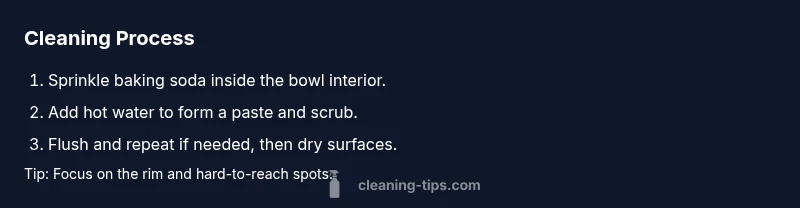
Begin by sprinkling 4–6 tablespoons of baking soda around the interior of the bowl, focusing on stained zones and under the rim. Add a small amount of hot water to help dissolve the powder into a paste. Scrub thoroughly with a toilet brush in a circular motion, paying attention to mineral rings and gumlines. This method relies on mechanical action and the mild abrasive nature of baking soda to remove grime while preserving porcelain. Rinse by flushing to reveal a cleaner surface.
Using vinegar for a boost (optional)
If you want extra whitening power, you can follow the baking soda step with a splash of white vinegar poured into the bowl. The fizz helps lift stubborn residue, but avoid mixing baking soda and vinegar for a prolonged reaction in a closed container—it's fine in the toilet but do not seal the bowl. Let the mixture sit for 2–5 minutes, then scrub again and flush. This combination is common in DIY cleaning but should be used sparingly.
Stubborn stains and mineral buildup tips
Rust stains or hard-water rings may require additional steps. Create a paste by combining baking soda with a small amount of water, apply to the stain, and let sit for several minutes. For persistent mineral deposits, a gentle soak with warm water overnight can help the powder work more effectively. Always scrub afterward and flush to verify results. If stains persist, consider repeating or trying a citrus-based cleaner on the spot after your bake-and-scrub cycle.
Safety and household safety
Always wear gloves to protect skin, and ensure the bathroom is well-ventilated when using cleaners. Do not mix cleaners that contain bleach with ammonia or acids other than those recommended by the product label. Baking soda is generally safe for septic systems in typical household use, but avoid creating strong chemical reactions. Keep cleaners out of reach of children and pets when not in use. After cleaning, rinse surfaces and vent air to reduce lingering odors.
Maintenance and prevention tips
To keep toilet bowls cleaner longer, flush regularly, wipe down the rim weekly, and consider a weekly quick sprinkle of baking soda as a preventative measure. For high-mineral areas, consider using a soft brush and a mild overnight soak with baking soda and hot water. Regular cleaning reduces the effort required for deep cleans and helps maintain whiteness.
Alternatives and complements
Hydrogen peroxide can be used in small amounts with baking soda for extra whitening; never mix with ammonia; test on a small area first. Commercial cleaners with simpler formulas may also work if you have heavy buildup, but read labels for safe usage.
Common mistakes to avoid
Using cold water instead of hot reduces powder dissolution. Overusing vinegar with baking soda at the same time can cause froth and mess, though it is safe; do not mix powders with bleach. Skipping the rinse step leaves residue.
Environmental impact and cost
Baking soda is inexpensive and widely available, making it a sustainable choice for bathroom cleaning. Compared to harsh chemical cleaners, it reduces the release of strong fumes and reduces packaging waste. A typical household uses a few tablespoons per clean, making the cost per session low.
Quick-check list before you start
Have gloves, brush, baking soda, hot water; ensure ventilation; check for rust; keep pets and kids away during cleaning; prepare towels or a mat to catch splashes.
What to expect after cleaning
Expect a brighter bowl, reduced odors, and less visible buildup. If you notice remaining stains, a second pass with a fresh paste and additional scrubbing will usually resolve it. Maintain results with light, regular upkeep rather than infrequent heavy cleans.
Final tips for renters and homeowners
Renters should document any pre-existing stains and cleaning outcomes to avoid disputes. Homeowners can store baking soda in a dry, labeled container and keep cleaning tools in a dedicated basket for quick touch-ups. Consistent practice yields long-term cleanliness with minimal effort.
Tools & Materials
- baking soda(4–6 tablespoons for one cleaning; more for heavy staining)
- toilet brush(Sturdy bristles, long handle for hard-to-reach areas)
- rubber gloves(Protect hands from residue and odors)
- hot water(Hot, not boiling; helps dissolve paste)
- white vinegar (optional)(Used for a boost after baking soda; do not seal the bowl while fizzing)
- measuring spoon(For precise amounts of baking soda)
- spray bottle (optional)(For applying vinegar or water to targeted spots)
- old toothbrush (optional)(For tight spots under the rim)
Steps
Estimated time: 20-30 minutes
- 1
Put on gloves and ventilate
Don protective gloves and open a window or turn on the exhaust fan to ensure good airflow. This step protects your skin and keeps odors manageable during cleaning.
Tip: Ventilation improves comfort and safety during cleaning. - 2
Sprinkle baking soda inside the bowl
Evenly distribute 4–6 tablespoons of baking soda around the interior, paying attention to the rim and any stained areas. This creates the cleaning paste that lifts grime.
Tip: Pour slowly to avoid spills and splashes. - 3
Add hot water to form a paste
Pour a small amount of hot water to activate the powder and form a paste. The heat helps dissolve residues more effectively.
Tip: Hot water enhances cleaning power without harsh chemicals. - 4
Scrub with the toilet brush
Use steady circular motions to scrub the interior, focusing on the rim, under the edge, and any rings of mineral buildup. Cover all accessible surfaces.
Tip: Keep the brush head in contact with the porcelain to maximize friction. - 5
Optional boost with vinegar and wait
If desired, add a splash of white vinegar and let sit for 2–5 minutes before scrubbing again. This can help lift stubborn stains.
Tip: Do not seal the bowl; the fizz needs air to escape. - 6
Rinse by flushing
Flush to rinse away residue and rinse particle matter. If needed, repeat a short scrub-and-flush cycle for stubborn areas.
Tip: A second flush ensures you remove loosened grime. - 7
Final wipe and dry
Wipe the bowl with a dry cloth or allow air to dry. This prevents water spots and leaves the surface looking clean.
Tip: Drying reduces streaks and helps you evaluate the result clearly.
Questions & Answers
Is baking soda safe for septic systems?
Yes, baking soda is generally safe for septic systems when used in typical household amounts. It breaks down and does not severely disrupt bacterial balance when not used in excess.
Baking soda is septic-safe in normal use; don’t overdo it.
Can I use baking soda with vinegar at the same time?
They fizz together but don’t provide extra cleaning power when mixed; use them separately for a quick boost, not as a long reaction.
You can use them separately for cleaning, not together in a long reaction.
Will baking soda remove stubborn rust stains?
Baking soda can help lighten minor stains, but heavy rust may require specialty products or professional advice. Avoid mixing with bleach.
It helps with light stains, but heavy rust may need another product.
How often should I clean my toilet with baking soda?
Weekly or biweekly cleanings work well for most households to prevent buildup and maintain a bright bowl.
Most homes do a quick weekly clean or every other week.
What if baking soda doesn’t work on my toilet?
If results are not satisfactory, try a second pass with fresh baking soda paste or consider a mild alternative cleaner. Do not mix with incompatible chemicals.
If it doesn’t work the first time, try again or use a different mild cleaner, avoiding dangerous mixes.
Watch Video
The Essentials
- Baking soda provides a gentle, affordable clean
- Prepare tools and ventilation before starting
- Avoid mixing with bleach or ammonia
- Regular short cleans reduce heavy buildup
- The method works well with optional vinegar boosts