Bleach Clean Mold: A Practical How-To Guide
Learn how to bleach clean mold safely on non-porous bathroom surfaces with proper dilution, timing, and safety tips. Includes step-by-step guidance, tools, and prevention.


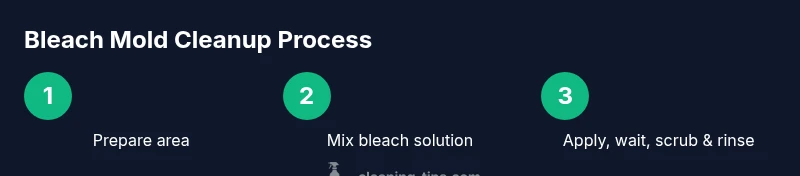
Bleach clean mold on non-porous bathroom surfaces by applying a diluted chlorine bleach solution, letting it sit briefly, then scrubbing and rinsing. Use 1 cup of regular household bleach per gallon of water (about 240 ml to 3.8 L) for a 1:16 dilution. This works on tiles, tubs, and sealed grout; avoid porous materials and always ventilate and wear protection.
Why bleach clean mold is a common choice
According to Cleaning Tips, many homeowners reach for bleach to tackle visible mold on bathroom surfaces. Bleach can disinfect and fade stubborn stains on non-porous materials, helping surfaces look clean again. This approach is most reliable on tiles, glazed grout, fiberglass tubs, shower pans, and sealed enamel surfaces. It’s important to note that bleach does not fix underlying water problems, and it will not fully penetrate porous materials. Before you begin, ensure you’re cleaning in a well-ventilated area and wearing gloves, eye protection, and a mask if fumes are strong.
Mold growth happens when moisture lingers. Bleach works best when the surface is clean and dry, so you can apply the solution evenly and prevent runoff. If you see a lot of growth behind wall coverings or on porous materials like drywall, you should stop and consider professional remediation. Bleach is a surface cleaner, not a magic cure for deep-seated mold.
Surfaces and molds: what bleach can handle
Bleach is most effective on non-porous surfaces such as ceramic or porcelain tile, glazed grout, enamel-coated tubs, glass, and shower doors. On these surfaces, a proper dilution and adequate contact time can reduce visible mold and restore brightness. However, on porous materials—like untreated drywall, untreated wood, fabric, carpet, or paper-backed surfaces—bleach may not reach the mold roots and can further damage the material. In those cases, consider alternatives or material replacement. Always test a small, inconspicuous area first to ensure colorfastness and material integrity. Cleanliness also depends on proper ventilation and thorough drying afterward. Cleaning Tips analysis shows that combining ventilation with prompt cleanup minimizes regrowth risk.
Safety first: protective gear and ventilation
Mold cleanup with bleach releases fumes that can irritate the eyes, throat, and lungs. Always wear non-porous gloves, eye protection, and a mask or respirator when working with bleach, and keep children and pets out of the room. Ensure adequate ventilation by opening windows and running a fan directed toward an open door. Do not mix bleach with ammonia or acidic cleaners, as that can create hazardous gases.
If fumes become overwhelming, pause the job, exit the area, and ventilate longer before resuming. Keep bleach clearly labeled and stored away from heat sources and children after use.
Understanding the dilution and contact time
For a standard household bleach solution, mix 1 cup (about 240 ml) of regular household bleach per gallon (3.8 L) of water, creating roughly a 1:16 dilution. Apply the solution to the moldy area, ensuring it stays wet for about 10 minutes to allow disinfection. After this contact time, scrub with a non-abrasive brush, rinse with clean water, and dry completely. Do not rinse and reuse visibly moldy rags—dispose of heavily contaminated materials in a sealed bag.
This approach is most reliable on non-porous surfaces. Avoid relying on bleach for porous materials, where mold can anchor below the surface. If mold returns quickly, reassess moisture sources and consider professional remediation.
How to prepare the cleaning space efficiently
Before you start, clear the area and remove items that won’t be damaged by splashes. Place towels or a drop cloth to protect adjacent surfaces. Mix the bleach solution in a well-ventilated area and label the bottle. Use a dedicated sponge or brush for the mold area to avoid cross-contamination with clean zones. Work in small sections to prevent the solution from drying too quickly and to maintain consistent contact time. After cleaning, wash your hands and clothes to remove any residue.
Alternatives to bleach for mold remediation
Bleach is not the only option. For some surfaces, especially porous materials, alternatives like hydrogen peroxide (3%), oxygen bleach, or specialized mold cleaners may be more effective and less damaging. Hydrogen peroxide can be sprayed and allowed to sit briefly before scrubbing and rinsing. Oxygen bleach works on a variety of surfaces and can be gentler on fabrics and stone. Always test an inconspicuous area first and follow product directions. For extensive mold growth, especially behind walls, professional remediation is often the safest route.
Preventing mold regrowth after cleaning
Mold regrowth is most often tied to moisture. Address leaks promptly, run bathroom exhaust fans during and after showers, fix chronic humidity, and ensure that any damaged materials are replaced or properly sealed. Regular cleaning with a non-abrasive cleaner and keeping surfaces dry between uses reduces the chance of recurrence. Re-caulk windows and shower enclosures as needed and keep humidity below 60% where possible.
Authority sources
- https://www.epa.gov/mold
- https://www.cdc.gov/mold/default.htm
- https://www.osha.gov/ventilation
Quick tips for problem areas
- Always perform a small patch test first. - If mold recurs after cleaning, there may be a hidden moisture source. - Do not mix bleach with ammonia or acids. - Dry the area fully after cleaning to prevent regrowth. - Consider professional help for extensive or recurring mold.
Tools & Materials
- regular household bleach (5-8% sodium hypochlorite)(Follow label instructions; never mix with ammonia or acids.)
- water (for dilution)(Use clean tap water; 1 gallon (3.8 L) per 1 cup bleach.)
- spray bottle(For even application of the solution.)
- scrub brush(Stiff-bristled brush for grout and corners.)
- non-porous sponge(Wipes and rinses surfaces effectively.)
- gloves(Protect skin from chemical exposure.)
- eye protection(Goggles or safety glasses.)
- mask/respirator(Use if fumes are strong or if space is poorly ventilated.)
- towels or rags(Dry surfaces after rinsing.)
- plastic drop cloth or old towels(Protect surrounding areas.)
- sealed trash bag(Seal used rags and dispose after cleaning.)
Steps
Estimated time: 30-60 minutes, plus drying time
- 1
Prepare the area
Ventilate the space by opening windows and turning on a fan. Remove movable items or cover them with a drop cloth to prevent splashes. This reduces inhalation exposure and keeps other areas clean.
Tip: Keep a clear path for airflow; avoid blocking the vent with towels. - 2
Protect yourself
Put on non-porous gloves, safety goggles, and a mask or respirator if fumes are strong. Bleach can irritate skin and eyes, so PPE is essential.
Tip: Remove jewelry to prevent bleach contact on skin and use a dedicated work outfit. - 3
Prepare the bleach solution
In a well-ventilated area, mix 1 cup of household bleach with 1 gallon of water in the spray bottle or pail. Label the container clearly and keep it away from children and pets.
Tip: Use a dedicated container for bleach to avoid contamination with other cleaners. - 4
Apply the solution
Spray the affected area until it is visibly wet, focusing on moldy patches and grout lines. Do not oversaturate surrounding areas.
Tip: Work in small sections to ensure the solution remains active on the surface. - 5
Let it sit
Allow the solution to sit on non-porous surfaces for about 10 minutes to disinfect. If the area dries quickly, reapply the solution.
Tip: Avoid letting bleach pool in corners where it can damage grout or sealant. - 6
Scrub and rinse
Scrub the area with a stiff-bristled brush, then rinse with clean water. Use a fresh sponge to wipe away residue and mold remnants.
Tip: Rinse thoroughly to remove all bleaching residue that could irritate skin later. - 7
Dry completely
Pat dry with towels and ensure the surface is completely dry before reusing the space. Proper drying reduces regrowth risk.
Tip: Use a dehumidifier or fan to speed up drying in humid bathrooms. - 8
Dispose of contaminated materials
Seal used rags and gloves in a trash bag before disposal to prevent cross-contamination.
Tip: Do not reuse contaminated tools without cleaning them first. - 9
Inspect and consider follow-up
Check the cleaned area after 24–48 hours. If mold returns, identify moisture sources and consider repeat treatment or professional help.
Tip: Persistent mold signals ongoing moisture problems that require fixing.
Questions & Answers
Can bleach kill mold on porous surfaces like wood or drywall?
Bleach is less effective on porous materials because it cannot reach mold roots hidden inside. Consider alternatives or consult a professional for porous substrates.
Bleach may not reach mold inside porous materials, so consider other options or professional help.
Is hydrogen peroxide a safe alternative to bleach for mold cleanup?
Hydrogen peroxide can be effective on some surfaces and may be gentler on materials, but its disinfecting power can vary. Always test first and follow product guidelines.
Hydrogen peroxide works in some cases, but test first and follow directions.
Can I use bleach on drywall or fabric to remove mold?
Bleach can damage drywall and fabrics and may not remove roots. For porous materials, replacement and moisture control are often necessary.
Bleach can damage porous materials, consider replacement and moisture control.
How long should I wait before reusing a cleaned bathroom?
Wait until the cleaned area is completely dry and free of fumes before reintroducing occupants or items.
Wait until it's completely dry before using again.
Is it safe to mix bleach with other cleaners?
Never mix bleach with ammonia, vinegar, or acids; doing so can release dangerous gases.
Don’t mix bleach with other cleaners; it can release toxic gases.
Watch Video
The Essentials
- Use the correct bleach dilution for safe disinfection
- Bleach works best on non-porous surfaces
- Protect yourself and ventilate the space
- Rinse and dry thoroughly to prevent regrowth
- Address moisture sources to prevent recurrence