Can You Clean Bathroom While Pregnant? A Practical Step by Step Guide
Learn how to clean a bathroom safely during pregnancy with pregnancy friendly cleaners, good ventilation, and a top-to-bottom routine. Step by step actions, tools, and tips from Cleaning Tips to keep your home hygienic without compromising safety.


Yes you can clean the bathroom while pregnant by choosing safer products and following a simple routine. Prioritize ventilation, wear gloves, and use non toxic cleaners (or diluted vinegar with water when appropriate). Avoid ammonia, bleach in concentrated form, and aerosols. Clean from top to bottom, rinse surfaces well, and take breaks to monitor fatigue.
Can You Clean Bathroom While Pregnant? A Contextual Answer
If you are asking can you clean bathroom while pregnant the answer is yes with proper precautions. This guide focuses on controlling exposure to fumes, avoiding harsh solvents, and using pregnancy safe cleaners that are gentle on your skin and lungs. It is important to plan the cleaning session around your energy levels and to guard against fatigue. According to Cleaning Tips the safest approach is to keep the task small, ventilate well, and choose products labeled safe for pregnancy. Keeping bathrooms clean reduces mold and bacteria risk that can affect health during pregnancy and beyond. The phrase can you clean bathroom while pregnant often comes up in household safety conversations, and the consensus is to adapt with safer products and a slower pace. This section sets the stage for a practical method that you can follow in your own home.
Safety First: PPE, Ventilation, and Hazard Avoidance
Pregnant individuals should take extra care to minimize exposure to fumes and irritants. Start by opening windows or turning on a fan to create constant airflow. Wear disposable or reusable gloves to protect your skin, and consider a simple mask if you are sensitive to odors. Avoid mixing cleaners and never use strong solvents in enclosed spaces. If a product carries a strong warning or unusual odor, stop using it and switch to pregnancy friendly alternatives. Cleaning Tips recommends prioritizing ventilation as a core safety practice and using fragrance free, non toxic cleaners when possible. This approach helps protect both you and the developing baby while keeping surfaces clean and sanitary.
Safer Cleaners to Reach For and Avoid
The goal is to use cleaners that are gentle on the body and on household surfaces. Pregnancy friendly options include mild soap and warm water, diluted vinegar solutions, baking soda pastes for grime, and plant based cleaners with minimal fragrance. Read labels carefully and avoid chemicals like ammonia concentrated bleach and or solvents that release strong fumes. Do not mix cleaners especially bleach with ammonia, as this produces toxic gas. If you have concerns about specific products, check for certifications such as EPA Safer Choice or equivalent government labeling. Cleaning Tips notes that using non toxic products reduces exposure to harsh fumes and long term health risks during pregnancy.
Step by Step Routine: Top to Bottom Cleaning
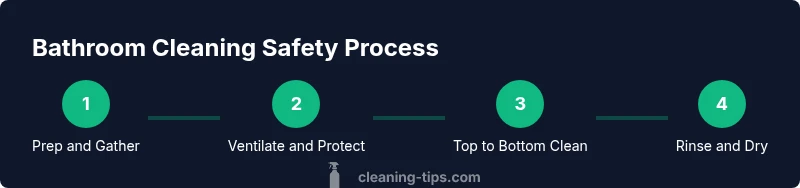
A systematic approach helps manage fatigue and ensures thorough results. Begin at the top with light fixtures, walls, and shelves, then move to counters, sinks, and surfaces. Finish with the floor. Use a microfiber cloth and mild cleaner for best results. Always rinse with clean water and dry surfaces to prevent moisture buildup that promotes mold growth. Cleaning Tips recommends pacing the session and taking short breaks to rest when needed.
Targeted Cleaning Areas: Toilet, Sink, Shower
The toilet benefits from a gentle cleaner that is safe for pregnancy, applied to the bowl from the rim down and left to sit briefly before scrubbing. For sinks and countertops, use mild soap and water or a pregnancy friendly multi surface cleaner. In the shower and tub, use baking soda paste for grime and rinse thoroughly. Pay attention to grout and seals where mildew can accumulate. By adopting a consistent routine you will reduce risk of bacterial buildup while maintaining a fresh bathroom.
Mold and Damp Areas: Caution and Care
Bathrooms can harbor mold in damp areas that require extra attention. If you notice recurring moisture or visible mold, address it promptly using a safe cleaner and a scrub brush. Do not rely on strong solvents to remove mold, and wear gloves to protect skin. If you see extensive mold growth or persistent water damage, it is best to consult a professional. Cleaning Tips emphasizes that early detection and regular ventilation help prevent mold from returning.
Tools and Storage: Set Up for Success
Prepare your tools before you begin to minimize trips and fatigue. Keep microfiber cloths, a soft scrub brush, a spray bottle, a bucket, and a squeegee within arm reach. Store cleaners in a locked cabinet to keep them away from children and ensure they are clearly labeled. After cleaning, rinse tools with water and air dry before storage. This foresight reduces clutter and makes future cleanings faster and safer for a pregnant household.
Managing Fatigue: Breaks and Timing
You may experience fatigue or dizziness during cleaning. Plan shorter sessions across several days rather than one long session. Hydrate well and work in a well lit, ventilated space. If you feel lightheaded, stop immediately and rest. Cleaning Tips suggests scheduling cleaning during times when you feel most energetic and alternating tasks to avoid repeating strain.
Final Checks and Aftercare: Loss Prevention
After cleaning, perform a quick wipe down to ensure no residue remains on high touch surfaces. Rinse and dry all surfaces to prevent slip hazards. Put supplies away securely and dispose of used wipes and paper towels in a sealed bag. Keeping your cleaning routine predictable reduces stress and makes it easier to maintain a hygienic bathroom while pregnant.
Tools & Materials
- Disposable nitrile gloves(Choose powder-free, latex-free if you have allergies)
- Face mask(Simple mask if odors bother you)
- Window or fan for ventilation(Keep air flowing during cleaning)
- Pregnancy safe cleaners(Non toxic, fragrance free if possible)
- Diluted white vinegar(Mix 1 part vinegar with 1 part water for light grime)
- Baking soda(For pastes and gentle scrubbing)
- Microfiber cloths(Lint-free and reusable)
- Non scratch sponge or brush(Avoid scratching delicate surfaces)
- Spray bottles(Label and fill clearly)
- Bucket(For rinsing and mixing solutions)
- Toilet brush(Dedicated to toilet only)
- Trash bags(Container waste and wipes disposal)
- Sealable wipes or towels(For quick touch ups)
Steps
Estimated time: 60-90 minutes
- 1
Gather supplies and set up
Collect all tools in one place and prepare the space by removing items from countertops and shelves. This reduces trips and fatigue during the cleaning session.
Tip: Pre arrange tools to avoid back and forth trips. - 2
Ventilate and protect
Open windows and run a fan to create airflow. Put on gloves and a mask if odors are strong; this minimizes exposure to fumes.
Tip: Ventilation is the most effective safety step. - 3
Wipe from top to bottom
Dust light fixtures, shelves, and walls first, then clean countertops. Use a damp microfiber cloth and mild cleaner for best results.
Tip: Always clean high surfaces before lower ones. - 4
Clean fixtures and surfaces
Use pregnancy safe cleaners to scrub sinks, faucets, and countertops. For stubborn grime apply a paste of baking soda and water and rinse well.
Tip: Do not leave cleaner on metal parts longer than recommended. - 5
Toilet and shower care
Clean the toilet bowl with a mild cleaner. Scrub the shower and tub with a non abrasive sponge and rinse thoroughly to avoid residue.
Tip: Never mix cleaners for the toilet or tub. - 6
Rinse and dry
Rinse surfaces with clean water and dry with a microfiber cloth to prevent water spots and mold growth.
Tip: Drying reduces moisture that mold loves. - 7
Tidy and store
Return tools to storage, seal cleaners, and dispose of waste properly. Confirm that windows stay open for a few minutes after finishing.
Tip: Label and store products out of reach of children.
Questions & Answers
Is it safe to clean the bathroom during pregnancy?
Yes, you can clean the bathroom during pregnancy by using pregnancy safe cleaners, keeping windows open, and avoiding mixing chemicals. Take breaks to avoid fatigue and listen to your body.
Yes it is safe to clean the bathroom during pregnancy when you use pregnancy safe cleaners and ensure good ventilation.
Which cleaners are safest to use while pregnant?
Choose non toxic, fragrance free cleaners, or diluted mixtures like soap and water or vinegar and water. Read labels for pregnancy safe certifications and avoid ammonia and strong solvents.
Choose non toxic cleaners and read labels to confirm pregnancy safety.
Can I use bleach or ammonia during pregnancy?
Avoid using strong solvents and never mix cleaners. If you must disinfect, use a diluted product and ventilate well; seek safer alternatives when possible.
Avoid mixing cleaners and use safer options when possible.
What should I do about mold in a pregnancy bathroom?
If you notice mold, address it with safe cleaners and proper ventilation. For extensive mold growth, consult a professional.
Mold requires safer cleaners and professional help if it is extensive.
How can I manage fatigue during cleaning?
Plan shorter cleaning sessions, take breaks, stay hydrated, and avoid overheating. Listen to your body and rest as needed.
Take breaks and listen to your body during cleaning.
Watch Video
The Essentials
- Use pregnancy safe cleaners to minimize risk
- Ventilate the space well during cleaning
- Clean from top to bottom for efficiency
- Rinse and dry surfaces thoroughly after cleaning
- Store chemicals safely out of reach