Can You Clean While Pregnant: Safe Cleaning Guide
Learn how to clean safely during pregnancy with practical tips, safer products, and a room-by-room approach from Cleaning Tips. Reduce exposure, protect yourself, and keep your home healthy.


Yes, you can clean while pregnant, but you should modify routines to minimize chemical exposure and physical strain. Prioritize gentle, low-odor products, ventilate well, and wear gloves. Break tasks into shorter sessions, avoid heavy lifting, and ask for help with stairs or high shelves. If you have concerns, consult your healthcare provider before starting any new cleaning regimen.
Can cleaning during pregnancy be safe? Key principles
In pregnancy, maintaining a clean home is important for comfort and health, but it requires mindful choices. The core idea is to minimize exposure to harsh chemicals and reduce physical strain. Opt for fragrance-free, low-VOC cleaners, use warm water and microfiber cloths, and ventilate the space well. Plan shorter cleaning bursts with ample breaks, and delegate heavier tasks like moving furniture or reaching high shelves when possible. Staying hydrated and taking rests helps sustain energy levels during chores. Cleaning Tips's approach emphasizes patient, steady progress over rushed, intensive sessions, ensuring both you and baby stay safe as you maintain a tidy home.
Safer cleaning products and alternatives
Choosing safer products is a key step in cleaning safely while pregnant. Favor fragrance-free, low-VOC cleaners and avoid products with strong fumes. Simple options like diluted white vinegar and baking soda work well on many surfaces when used correctly. Always read labels for safety instructions and avoid mixing cleaners, which can release harmful gases. For surfaces that require disinfecting, consider products labeled as non-toxic and gentle, or use plain soap and warm water when possible. Remember that less is more: fewer chemicals reduces exposure and supports a healthier environment for you and your developing baby.
Ventilation, airflow, and personal protection
Ventilation is essential when cleaning during pregnancy. Open windows and run a fan to keep air circulating, especially in small or poorly ventilated rooms. Wear protective gloves to reduce skin contact with cleaners and consider a disposable mask if you’re sensitive to fumes. Avoid staying in a room with strong odors for extended periods; instead, take a break and move to a fresh area. Keeping the area well-ventilated not only reduces exposure but also helps you stay comfortable throughout your cleaning session.
Modifying routines to reduce strain
Modify routines to minimize standing time, bending, and heavy lifting. Break tasks into short, manageable chunks and rest between sessions. Use a lightweight mop and an extendable duster to reach high spots without strain. Plan to clean during your strongest energy windows, and avoid hot, crowded times if you’re prone to dizziness. Hydration, proper posture, and alternating between standing and sitting tasks help protect your back and joints during pregnancy.
Cleaning tasks by room: kitchen and bathroom safety tweaks
Kitchen cleaning can be done with mild cleaners and warm water. Wipe surfaces with a microfiber cloth after using a light cleaner and avoid spraying aerosols directly into your face. In bathrooms, use non-toxic cleaners and wipe from top to bottom to minimize drips. Use a diluted solution for most tasks and dry surfaces promptly to prevent slip hazards. When cleaning mirrors or glass, reach for a non-ammonia cleaner or a simple water-vinegar mix to reduce fumes. Always keep cleaners out of reach of children and pets when not in use.
Laundry care and fabric scents
Choose fragrance-free, hypoallergenic detergents and avoid fabric softeners with strong scents. Wash your clothes in warm water with a mild detergent, and dry on a lower heat setting if possible. Handling damp towels should be done with gloves to reduce skin contact with residues. If you use stain removers, opt for safer, non-chlorine formulas and apply only to the stain with a cloth rather than saturating the fabric.
When to delegate and seek help
Don’t hesitate to ask for help with heavy cleaning tasks such as moving furniture, climbing ladders, or cleaning upper shelves. Enlist a partner, family member, or friend for these tasks, especially if you feel dizzy, short of breath, or unusually fatigued. Establish a rotating plan for chores so you’re not doing all the heavy work yourself. Keeping others involved reduces fatigue and promotes a safe home environment during pregnancy.
Common questions and myths debunked
Many expectant parents wonder about the safety of specific products. In general, choose safer, fragrance-free options and ventilate well. While some people worry about all cleaners, careful product selection and reduced exposure can allow you to maintain cleanliness without compromising safety. If a product makes you uncomfortable, stop using it and seek a safer alternative. Always consult your healthcare provider if you’re unsure about a cleaning product’s safety.
Preparing your cleaning plan for pregnancy
Develop a simple, adaptable plan that outlines rooms to clean, products to use, and time allotments. Create a checklist that prioritizes high-traffic areas and areas with higher humidity, which can harbor mold. Schedule cleaning sessions during peak energy hours, with planned breaks. Track symptoms if you notice any adverse reactions and adjust your routine accordingly. This proactive approach helps sustain a clean home while supporting your health.
Tools & Materials
- Mild, fragrance-free cleaning product(Low-VOC if available; labeled safe for pregnancy)
- White vinegar(Dilute 1:1 with water for many surfaces)
- Baking soda(Natural scrubbing agent for bathrooms/kitchen)
- Water spray bottle(For misting and light cleaning without aerosols)
- Microfiber cloths(Reusable, reduces chemical use)
- Gloves (nitrile preferred)(Protect skin from cleaners)
- Ventilation: open windows or fan(Maintain airflow during cleaning)
- Sturdy step stool with non-slip surface(Safe reach to high shelves)
- Disposable mask (optional)(If fumes are strong, use a mask)
Steps
Estimated time: 60-120 minutes total
- 1
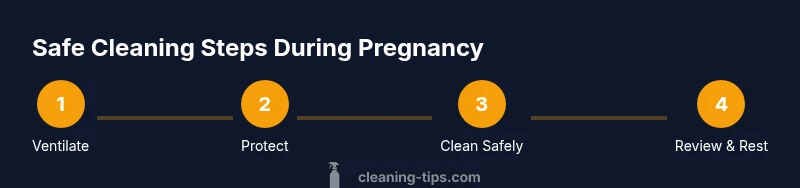
Ventilate the space
Before you start, open windows and power a small fan to create a steady airflow. Ventilation helps disperse odors and reduces exposure to fumes. Take a few slow breaths and assess how you feel before proceeding.
Tip: If you feel lightheaded, pause and step into a fresh room. - 2
Put on protective gear
Wear gloves to protect your skin from cleaners and a mask if fumes bother you. Ensure your gloves fit well and do not irritate your skin. Protective gear is a simple, effective step to reduce contact with chemicals.
Tip: Choose nitrile gloves if you have latex sensitivity. - 3
Gather and organize supplies
Collect your safe cleaners, cloths, and tools in a single basket to minimize trips. This reduces back strain and keeps you focused on the task. Plan your steps in order to avoid unnecessary movement.
Tip: Place cleaning basket in the room you’ll start to minimize steps. - 4
Dust high surfaces
Begin with ceilings, light fixtures, and high shelves using a microfiber duster. This prevents dust from resettling on lower surfaces as you clean. Move methodically to cover all areas in the room.
Tip: Keep a stable stance and avoid reaching further than comfortable. - 5
Wipe surfaces with a mild solution
Mist a microfiber cloth with a diluted cleaner and wipe from top to bottom. Rinse or replace cloths as needed to prevent spreading dirt. Dry surfaces with a clean, dry cloth to minimize streaks.
Tip: Avoid spray aerosols directly toward your face. - 6
Tackle floors last
Mop or wipe floors with a diluted solution, ensuring you dry the area to prevent slips. Use a lightweight mop and maintain a comfortable posture. Take short breaks if you feel fatigued.
Tip: Work from the far corner toward the exit to avoid stepping on fresh cleaning zones. - 7
Launder and store safely
Wash used cloths separately in warm water with mild detergent. Store cleaners in a high, away-from-reach cabinet. Wipe down tools and let them dry before returning to storage.
Tip: Do not mix heavy chemicals; use one concentration at a time. - 8
Review and rest
Take a moment to assess how you feel after cleaning. Hydrate and rest if you notice any dizziness or fatigue. Plan your next session with a lighter scope if needed.
Tip: Consistency beats intensity; shorter, regular sessions are safer.
Questions & Answers
Is it safe to use bleach while pregnant?
Bleach fumes can irritate the airways. Use it only in well-ventilated spaces, dilute properly, and prefer non-chlorine alternatives when possible.
Bleach fumes can irritate the airways, so use it only in a well-ventilated space and consider safer alternatives.
Can I use vinegar for cleaning?
Yes, diluted vinegar is a common, safer cleaner for many surfaces. Avoid using vinegar on natural stone and always test first.
Yes, diluted vinegar is commonly used and safer for many surfaces, but avoid stone and test first.
Should I avoid cleaning entirely in the first trimester?
Not necessarily. You can clean with safer products and shorter sessions. If you have medical concerns, consult your healthcare provider for personalized guidance.
You don’t have to stop cleaning, but choose safer products and shorter sessions and check with your doctor if unsure.
What about essential oils?
Some essential oils can irritate respiratory systems. If used, choose small amounts in well-ventilated areas or avoid altogether.
Some essential oils can irritate the lungs, so use sparingly or avoid them during pregnancy.
How can I minimize exposure to fumes?
Ventilate continuously, use milder cleaners, and avoid spray aerosols aimed toward your face. Use cloths rather than spray to prevent inhalation.
Keep the air moving, use milder cleaners, and avoid inhaling fumes directly.
When should I speak with a doctor?
If you experience persistent dizziness, shortness of breath, chest tightness, or unusual fatigue, contact your healthcare provider promptly.
Seek medical advice if you have dizziness, shortness of breath, or unusual fatigue during cleaning.
Watch Video
The Essentials
- Prioritize ventilation and low-tox products
- Break chores into short, safe sessions
- Use protective gear for skin and lungs
- Delegate heavy tasks when possible
- Choose room-specific, safer cleaning methods